
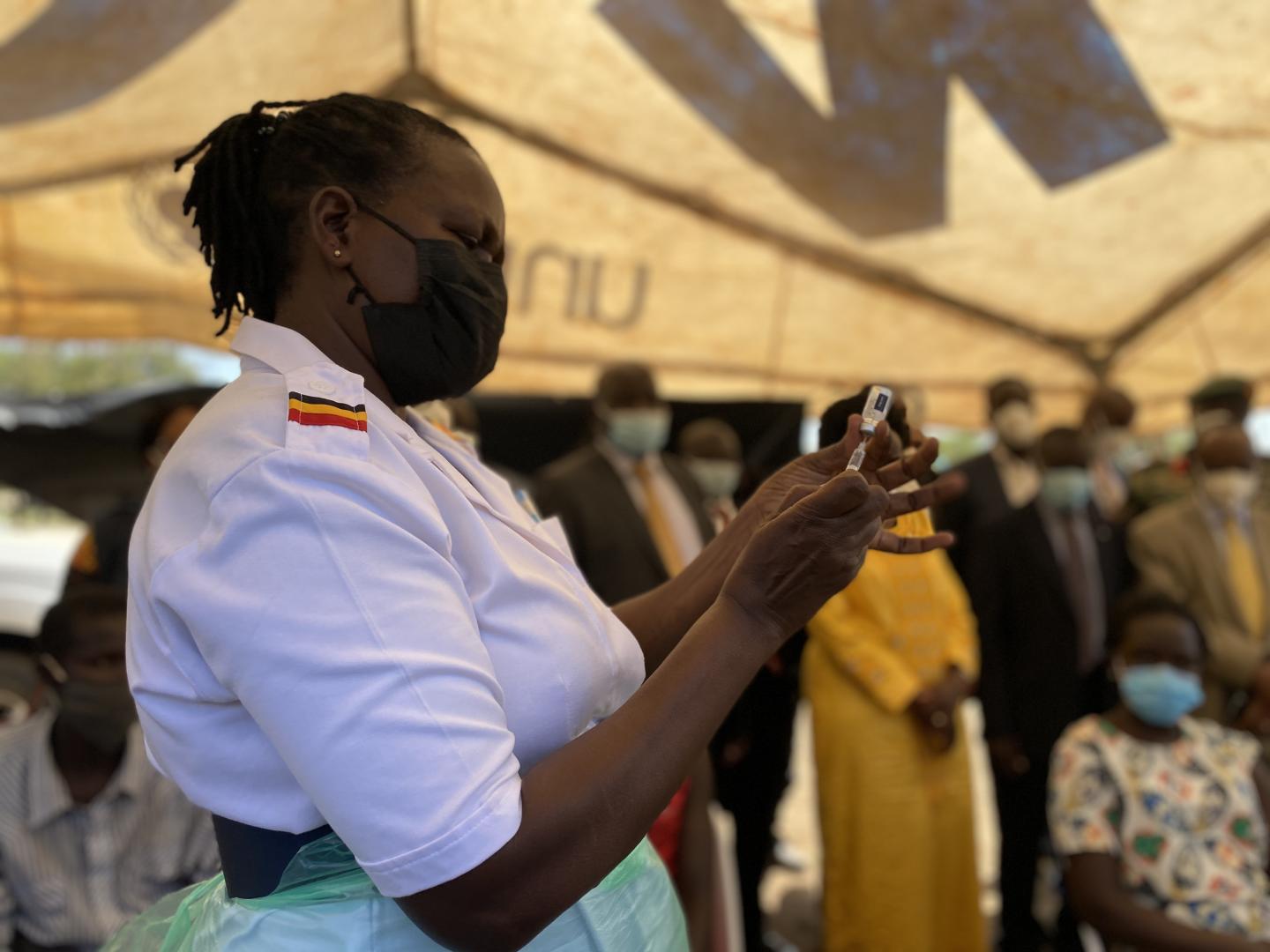
Health and Vaccinations in Uganda
Health and Vaccinations in Uganda
Health and Vaccinations in Uganda: Ensuring a Healthy Journey
Introduction
When planning a trip to Uganda, it is essential to prioritize your health and well-being. Uganda, known as the “Pearl of Africa,” offers breathtaking landscapes, diverse wildlife, and vibrant cultures. However, it is crucial to be aware of the potential health risks and take necessary precautions to protect yourself during your journey. In this comprehensive guide, we will explore the importance of vaccinations, health considerations, and practical tips to ensure a safe and healthy experience in Uganda.
Section 1: Understanding Vaccinations
1.1 Why are Vaccinations Important?
Vaccinations play a crucial role in preventing the spread of infectious diseases and protecting individuals from potential health risks. When traveling to Uganda, it is essential to consult with a healthcare professional or visit a travel clinic well in advance to determine the necessary vaccinations for your trip. By staying up-to-date with your immunizations, you can minimize the risk of contracting diseases such as:
Malaria
Yellow Fever
Typhoid Fever
Hepatitis A and B
Rabies
1.2 Mandatory Vaccinations for Uganda
Certain vaccinations are mandatory for entry into Uganda. The most important one is the Yellow Fever vaccination. You must provide a valid Yellow Fever vaccination certificate upon arrival in Uganda. Failure to do so may result in denial of entry or quarantine. It is also recommended to get vaccinated against other diseases like Typhoid, Hepatitis A, and Polio.
1.3 Additional Recommended Vaccinations
While not mandatory, several other vaccinations are highly recommended for travelers to Uganda. These include:
Malaria: Uganda is a high-risk area for malaria transmission. Taking prophylactic medication and using mosquito repellents and bed nets are essential preventive measures.
Hepatitis B: This viral infection can be transmitted through contaminated food, water, or blood. Vaccination is recommended, especially for long-term travelers or those engaging in activities that may expose them to blood or bodily fluids.
Rabies: If you plan to engage in activities that involve close contact with animals, such as wildlife encounters or volunteering at animal sanctuaries, a rabies vaccination is highly recommended.
Section 2: Health Considerations in Uganda
2.1 Malaria Prevention
Malaria is a significant concern in Uganda, particularly in rural areas. To protect yourself from mosquito bites and reduce the risk of contracting malaria, follow these preventive measures:
Take antimalarial medication as prescribed by your healthcare professional.
Use insect repellents containing DEET on exposed skin.
Wear long-sleeved shirts, long pants, and closed-toe shoes, especially during the evening and nighttime when mosquitoes are most active.
Sleep under a mosquito net, preferably treated with insecticide.
2.2 Food and Water Safety
To avoid foodborne illnesses and waterborne diseases in Uganda, follow these guidelines:
Drink only bottled or boiled water. Avoid tap water, ice cubes, and drinks made with tap water.
Eat thoroughly cooked food and avoid street food or raw and undercooked meats.
Wash your hands frequently with soap and water, especially before eating or preparing food.
2.3 Hygiene and Sanitation
Maintaining good hygiene practices is crucial for staying healthy during your trip to Uganda. Follow these hygiene tips:
Carry hand sanitizer and use it when soap and water are not available.
Practice proper handwashing techniques, using soap and water for at least 20 seconds.
Avoid touching your face, especially your mouth, nose, and eyes.
Dispose of waste properly and avoid littering.
Section 3: Frequently Asked Questions (FAQ)
Q1: Can I travel to Uganda without getting vaccinated?
It is strongly recommended to get vaccinated before traveling to Uganda. While some vaccinations are mandatory, others are highly recommended to protect your health and well-being.
Q2: How long before my trip should I get vaccinated?
It is advisable to consult with a healthcare professional or travel clinic at least 4-6 weeks before your trip to allow sufficient time for vaccinations to take effect.
Q3: Is it safe to drink tap water in Uganda?
It is not safe to drink tap water in Uganda. Stick to bottled water or boiled water to avoid waterborne diseases.
Q4: What should I do if I get sick during my trip to Uganda?
If you experience any symptoms of illness during your trip, seek medical attention immediately. Carry travel insurance that covers medical expenses in case of emergencies.
Q5: Can I get malaria even if I take antimalarial medication?
While antimalarial medication significantly reduces the risk of contracting malaria, it is not 100% effective. It is essential to continue taking preventive measures such as using insect repellents and sleeping under mosquito nets.
Conclusion
By prioritizing your health and following there commended vaccinations and health considerations, you can ensure a safe and enjoyable journey to Uganda. Remember to consult with a healthcare professional or travel clinic well in advance to determine the specific vaccinations required for your trip. Additionally, take necessary precautions to prevent malaria, practice good hygiene, and prioritize food and water safety. With proper preparation and care, you can fully immerse yourself in the beauty and wonders of Uganda while maintaining your health and well-being.