
7 Day Uganda Safari Gorillas Chimps and Wildlife Itinerary
7 Day Uganda Safari Gorillas Chimps and Wildlife Itinerary
7-Day Uganda Safari Itinerary: Gorillas, Chimps and Classic Wildlife.
Uganda is one of the rare destinations where you can track mountain gorillas, follow wild chimpanzees through lush forests, and still enjoy a classic African savannah safari all in one compact route. This 7-day Uganda safari itinerary is designed for travelers who want a well-paced adventure that blends iconic primate encounters with rewarding game drives, scenery, and cultural moments.
To help you plan with confidence, I’ve also included practical logistics, packing tips, and a FAQ. For planning support, permits, or guided trips, you can explore options via Turkana Wildlife Safaris and their Uganda safari planning resources.
Overview: What You’ll Experience in 7 Days
This route is structured to reduce backtracking and maximize “prime time” in each ecosystem:
- Kibale Forest: Top chimpanzee tracking destination
- Queen Elizabeth National Park: Game drives + Kazinga Channel boat safari
- Bwindi Impenetrable Forest: Mountain gorilla trekking (life highlight)
- Optional add-ons: tree-climbing lions in Ishasha, Batwa cultural visit, extra game drive
If you’re comparing operators or looking for tailored logistics, start here: Uganda Safari Tours – Turkana Wildlife Safaris.
Day-by-Day: 7-Day Uganda Safari (Gorillas, Chimps & Wildlife)
Day 1 — Arrival in Entebbe → Transfer to Kampala or Entebbe Overnight
Best for: Rest, briefing, and permit checks.
Plan
- Arrive at Entebbe International Airport (EBB)
- Meet your driver-guide
- Briefing: route, weather, trekking rules, permit time, health checks
- Overnight in Entebbe or Kampala (depending on arrival time)
Notes
- If you arrive early, consider a relaxed stop at the Entebbe lakeside or local markets.
- Confirm your trekking dates: gorilla permits and chimp permits are tied to specific days.
Day 2 — Entebbe/Kampala → Kibale Forest (Chimp Region)
Drive time: ~5–6 hours (depending on stops)
Overnight: Kibale / Fort Portal area
Plan
- Scenic road trip toward Fort Portal (tea plantations, crater lakes views)
- Check-in and rest
- Optional: Bigodi Wetland walk (excellent for birds + local community stories)
Why this day matters
Kibale is Uganda’s premier primate forest and sets the tone for your safari: rich biodiversity, dense canopy, and intimate wildlife encounters.
For itinerary customization and lodge suggestions, see Turkana Wildlife Safaris.
Day 3 — Chimpanzee Tracking in Kibale → Transfer to Queen Elizabeth NP
Drive time: ~2–3 hours
Overnight: Queen Elizabeth National Park (Mweya / Kasenyi area)
Morning: Chimpanzee Tracking (Kibale)
Expect:
- A forest briefing (rules, distance, behavior)
- Tracking time can vary from 30 minutes to several hours
- An intense, energetic encounter—chimps are fast, vocal, and social
Afternoon: Transfer to Queen Elizabeth NP
- Arrive and enjoy a relaxed evening
- Optional: short sunset game drive if time allows
For guided primate tracking coordination, check Turkana Wildlife Safaris.
Day 4 — Queen Elizabeth NP: Game Drive + Kazinga Channel Boat Safari
Overnight: Queen Elizabeth NP
This is your classic “savannah + water” wildlife day.
Early Morning Game Drive (Kasenyi Plains)
Common sightings include:
- Uganda kob, buffalo, warthog
- Elephants (often in family groups)
- Lions (not guaranteed but possible, especially early)
Afternoon Kazinga Channel Boat Safari
A highlight for many travelers:
- Huge hippo pods
- Nile crocodiles
- Elephants and buffalo along the banks
- Outstanding birdlife (fish eagles, kingfishers, herons)
Operator-run Queen Elizabeth planning can be found through Turkana Wildlife Safaris.
Day 5 — Queen Elizabeth → Bwindi Impenetrable Forest (Gorilla Region)
Drive time: ~4–6 hours depending on sector and road conditions
Overnight: Bwindi (sector depends on permit)
Route options
- Via Ishasha sector (recommended if you want a chance at tree-climbing lions)
- Standard route to your assigned gorilla trekking sector
What to do upon arrival
- Rest, hydrate, and prepare gear
- Early night: gorilla trekking starts early
Need help aligning the correct Bwindi sector with your permit and lodge? Use Turkana Wildlife Safaris as a starting point.
Day 6 — Gorilla Trekking in Bwindi (Bucket-List Day)
Overnight: Bwindi (or begin transfer toward Lake Bunyonyi / Entebbe depending on schedule)
This is the core experience of the itinerary.
Gorilla Trekking Flow
- Early breakfast
- Briefing at the park headquarters
- Assigned to a gorilla family group
- Trek with rangers and trackers
- One magical hour with the gorillas once found
What it feels like
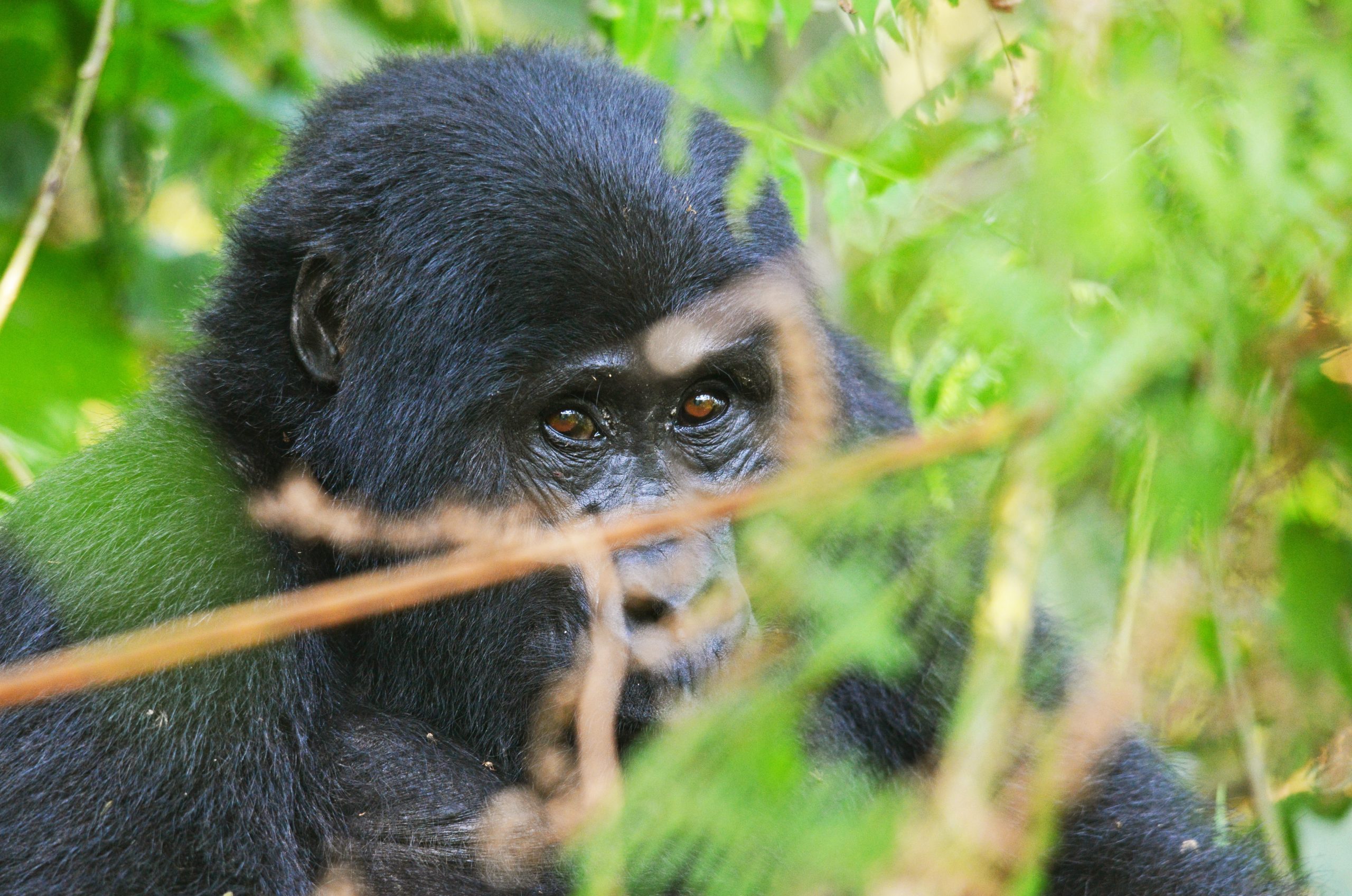
Gorillas are calm, powerful, and deeply human-like in expression. The forest is steep, humid, and alive making the encounter feel earned and unforgettable.
Helpful options
- Hire a porter (highly recommended)
- Consider a post-trek community visit (Batwa experience, depending on sector and availability)
For gorilla trekking logistics and permit-driven planning, see Turkana Wildlife Safaris.
Day 7 — Bwindi → Return to Entebbe (Departure)
Drive time: ~8–10 hours by road (or fly if arranged)
Option A: Road transfer
- Scenic drive back with lunch stop
- Arrival in Entebbe for evening flight (only if timing works)
Option B: Domestic flight
- Fly from nearby airstrip (e.g., Kihihi or Kisoro depending on your sector)
- Connect to Entebbe faster and with less fatigue
Want to explore flight options or end-of-trip extensions? Visit Turkana Wildlife Safaris.
Recommended (If You Have 1–2 Extra Days)
If you can extend, these upgrades are excellent:
- Lake Bunyonyi: recovery and scenery after gorilla trekking
- Golden monkey tracking (Mgahinga)
- Murchison Falls NP: big wildlife + dramatic waterfall (best as a separate northern circuit)
Ask an operator to re-balance drive times and permits; start with Turkana Wildlife Safaris.
What’s Typically Included in a 7-Day Uganda Safari Package?
In many guided tours, inclusions often cover:
- Private 4×4 safari vehicle + driver-guide
- Fuel, park fees, and scheduled activities
- Lodges / camps with meals (varies)
- Chimp trekking permit + gorilla trekking permit (sometimes listed separately)
- Boat cruise on Kazinga Channel
Always verify what is included vs excluded. A planning baseline is available via Turkana Wildlife Safaris.
Packing List: What to Bring for Gorillas, Chimps & Game Drives
For primate trekking
- Hiking boots with grip
- Long sleeves/trousers (nettles, insects)
- Garden gloves (for grabbing vegetation on steep sections)
- Light rain jacket / poncho
- Daypack + dry bag
- Water + electrolytes
For wildlife viewing
- Binoculars
- Neutral-colored clothing
- Camera with zoom lens (and extra batteries)
Health essentials
- Insect repellent
- Any personal medication
- Hand sanitizer/wipes (useful during long drives)
Best Time to Do This Itinerary
Uganda is a year-round destination, but trekking conditions are easiest in:
- Dry seasons: roughly June–August and December–February
That said, shoulder and wet seasons can be greener, quieter, and sometimes better for photography just expect muddier trails.
FAQ: 7-Day Uganda Gorilla, Chimp & Wildlife Safari
1) Is 7 days enough to see gorillas, chimps, and savannah wildlife?
Yes. This itinerary is one of the most efficient ways to combine all three: Kibale (chimps) + Queen Elizabeth (wildlife) + Bwindi (gorillas).
2) How difficult are gorilla and chimp treks?
Chimp tracking is often faster-paced (chimps move quickly). Gorilla trekking can be physically demanding due to steep, muddy terrain. Fitness helps, but porters and smart pacing make it manageable for many travelers.
3) Do I need permits, and how early should I book?
Yes, permits are mandatory for both gorillas and chimps. Booking early is strongly recommended, especially for peak travel months.
4) Can I do this itinerary with a domestic flight to reduce driving?
Yes. Many travelers fly Bwindi ↔ Entebbe to reduce road fatigue. Your operator can match flights to your trekking sector.
5) What’s the best park for wildlife on this route?
Queen Elizabeth National Park offers the best balance: big mammals, diverse habitats, and the Kazinga Channel boat safari.