
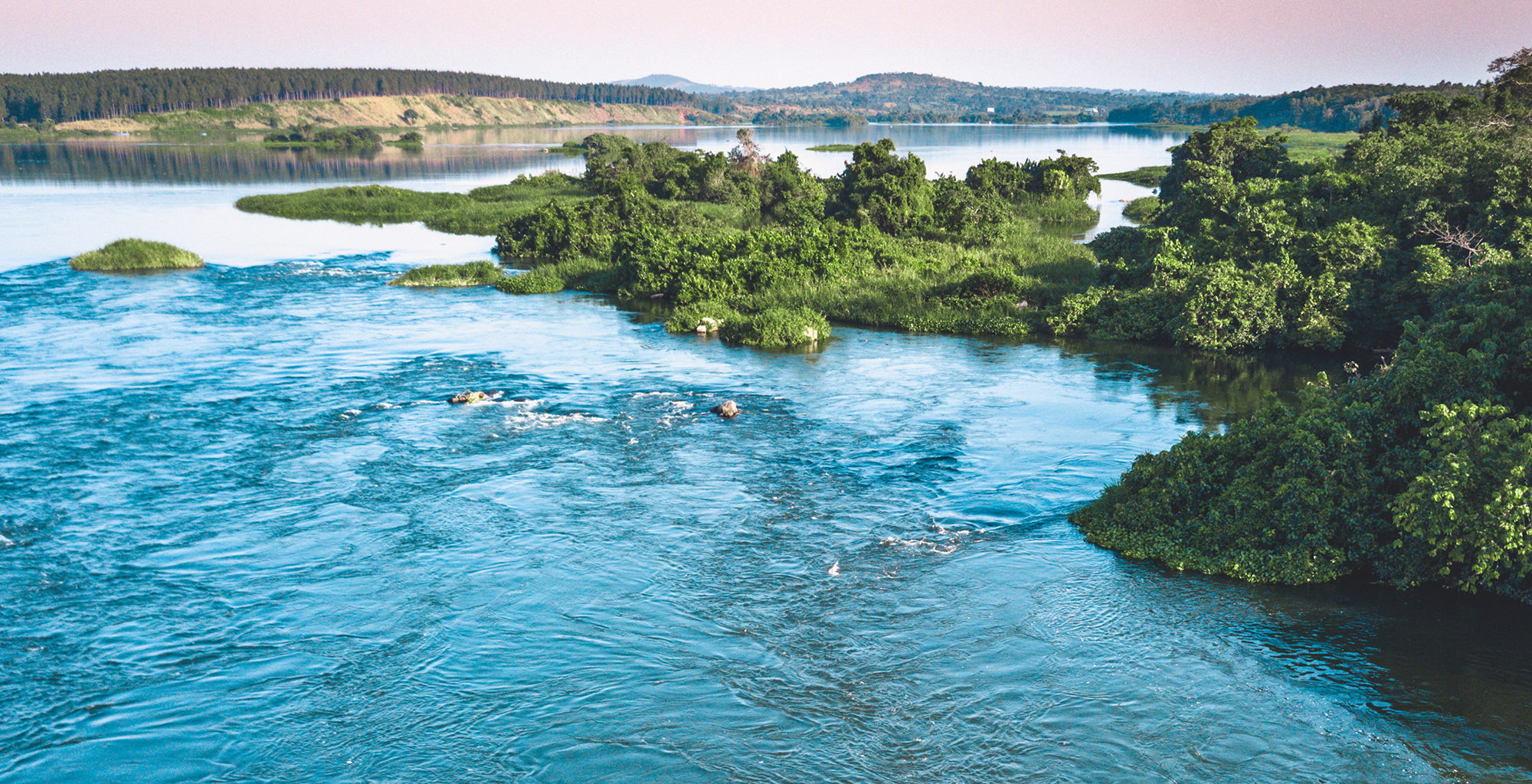
Lake Victoria
Lake Victoria: The Jewel of East Africa
Introduction
The largest lake in Africa and the second-largest freshwater lake in the world, is a magnificent body of water that plays a crucial role in the ecosystem and economy of East Africa. Straddling the borders of Uganda, Kenya, and Tanzania, this expansive lake is not only a vital source of livelihood for millions but also a hub of biodiversity and natural beauty. In this comprehensive article, we will delve into the fascinating aspects of Lake Victoria, exploring its history, ecological significance, economic impact, and the challenges it faces today.
The Historical Significance of Lake Victoria
Discovery and Naming
Lake Victoria was first documented by European explorers in the mid-19th century. The British explorer John Hanning Speke is credited with its discovery in 1858 during an expedition to find the source of the Nile River. Speke named the lake after Queen Victoria of England, a name that has endured to this day. However, the lake was known to the indigenous communities long before Speke’s arrival, and it holds significant cultural and historical importance for them.
Cultural Heritage
The lake has been a cradle of civilization for centuries, with numerous communities relying on its waters for sustenance and trade. The Luo, Haya, and Sukuma are among the many ethnic groups that have thrived around Lake Victoria, developing rich cultural traditions and practices that are deeply intertwined with the lake’s resources.
Ecological Importance of Lake Victoria
Biodiversity Hotspot
Lake Victoria is a biodiversity hotspot, home to a wide array of flora and fauna. It boasts over 500 species of fish, including the iconic Nile perch and the endemic cichlids. The lake’s diverse ecosystems support various bird species, reptiles, and mammals, making it a critical habitat for wildlife conservation.
The Role in the Water Cycle
As a major freshwater reservoir, Lake Victoria plays a vital role in the regional water cycle. It influences local climate patterns, providing rainfall and supporting agriculture in the surrounding areas. The lake’s vast surface area also contributes to the regulation of temperatures, creating a unique microclimate that benefits both wildlife and human populations.
Economic Impact of Lake Victoria
Fisheries and Livelihoods
The fisheries of Lake Victoria are a cornerstone of the local economy, providing employment and sustenance for millions of people. The lake’s abundant fish stocks, particularly the Nile perch and tilapia, are a significant source of protein and income for communities in Uganda, Kenya, and Tanzania. The fishing industry also supports various ancillary sectors, such as boat building, fish processing, and trade.
Tourism and Recreation
Lake Victoria’s stunning landscapes and rich biodiversity make it a popular destination for tourists seeking adventure and relaxation. Activities such as fishing, birdwatching, and boat tours attract visitors from around the world, contributing to the region’s tourism revenue. The lake’s islands, such as the Ssese Islands in Uganda, offer unique cultural experiences and pristine natural beauty.
Challenges Facing Lake Victoria
Environmental Degradation
Despite its ecological and economic significance, Lake Victoria faces numerous environmental challenges. Pollution from agricultural runoff, industrial waste, and untreated sewage has led to water quality deterioration, threatening aquatic life and human health. The introduction of invasive species, such as the water hyacinth, has further disrupted the lake’s ecosystems, choking waterways and reducing fish populations.
Climate Change Impacts
Climate change poses a significant threat to Lake Victoria, with rising temperatures and altered rainfall patterns affecting water levels and biodiversity. The increased frequency of extreme weather events, such as floods and droughts, exacerbates these challenges, putting additional pressure on the lake’s resources and the communities that depend on them.
Conservation Efforts and Future Prospects
Regional Cooperation
Efforts to conserve Lake Victoria and address its challenges require regional cooperation and collaboration. The Lake Victoria Basin Commission, established by the East African Community, plays a crucial role in coordinating conservation initiatives and promoting sustainable development in the region. Joint efforts to improve water quality, manage fisheries, and combat invasive species are essential for the lake’s long-term health and prosperity.
Sustainable Development Initiatives
Sustainable development initiatives, such as community-based conservation programs and eco-friendly tourism, offer promising solutions to the challenges facing Lake Victoria. Empowering local communities to take an active role in conservation efforts and promoting environmentally responsible practices can help preserve the lake’s ecosystems and ensure a sustainable future for generations to come.
Conclusion
Lake Victoria is a natural wonder of immense ecological, economic, and cultural significance. Its vast waters and rich biodiversity support millions of people and countless species, making it a vital resource for East Africa. However, the lake faces numerous challenges that threaten its health and sustainability. By fostering regional cooperation and embracing sustainable development practices, we can protect this jewel of East Africa and secure its future for all who depend on it.
FAQs
What is the size of Lake Victoria?
It covers an area of approximately 68,800 square kilometers, making it the largest lake in Africa and the second-largest freshwater lake in the world by surface area.
How many countries share Lake Victoria?
It is bordered by three countries: Uganda, Kenya, and Tanzania. Each of these countries relies on the lake for various economic and ecological benefits.
What are the main fish species found in Lake Victoria?
The lake is home to over 500 species of fish, with the Nile perch and tilapia being the most commercially important. The lake also hosts a variety of endemic cichlid species.
What are the primary environmental challenges facing Lake Victoria?
It faces several environmental challenges, including pollution, invasive species, and the impacts of climate change. These issues threaten the lake’s ecosystems and the livelihoods of communities that depend on it.
How can we help conserve Lake Victoria?
Conservation efforts for Lake Victoria include regional cooperation, sustainable development initiatives, and community-based conservation programs. Supporting these efforts and promoting environmentally responsible practices can help protect the lake and its resources.