
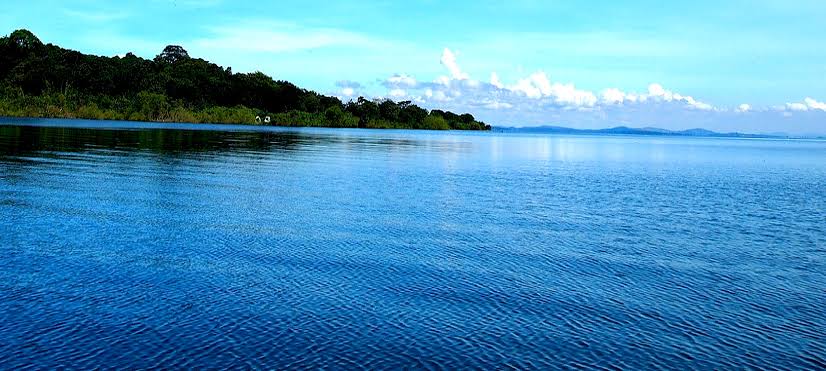
Victoria Lake
Victoria Lake
Discovering the Wonders of Lake Victoria: A Comprehensive Guide
Introduction
Lake Victoria, the largest lake in Africa and the second-largest freshwater lake in the world, is a natural wonder that captivates the imagination of travelers, scientists, and nature enthusiasts alike. Nestled in the heart of East Africa, this majestic body of water spans three countries—Tanzania, Uganda, and Kenya—and plays a vital role in the region’s ecosystem, economy, and culture.
In this comprehensive guide, we will delve into the fascinating aspects of Lake Victoria, exploring its rich history, unique biodiversity, and the challenges it faces today. Join us as we embark on a journey to uncover the secrets of this remarkable lake.
The Geographical Marvel of Lake Victoria
Location and Size
Lake Victoria is situated in the Great Rift Valley, a geological feature that stretches from the Middle East to Mozambique. Covering an area of approximately 68,800 square kilometers, it is the largest lake in Africa and the second-largest freshwater lake in the world by surface area, following Lake Superior in North America.
Hydrology and Tributaries
The lake is fed by numerous rivers, with the Kagera River being the largest and most significant tributary. Lake Victoria’s outflow is the Nile River, which begins its journey northward from the lake’s northern shores. The lake’s water levels are subject to seasonal variations, influenced by rainfall patterns and human activities.
A Rich Tapestry of Biodiversity
Flora and Fauna
Lake Victoria is home to an astonishing array of plant and animal species, many of which are endemic to the region. The lake’s diverse ecosystems support a wide range of aquatic and terrestrial life, making it a biodiversity hotspot.
Fish Species
The lake is renowned for its cichlid fish species, which exhibit a remarkable diversity of forms and behaviors. These colorful fish are a favorite among aquarium enthusiasts and play a crucial role in the lake’s food web. However, the introduction of non-native species, such as the Nile perch, has posed significant threats to the native fish populations.
Birdlife
Lake Victoria’s shores and islands provide vital habitats for numerous bird species, including the African fish eagle, the grey-headed gull, and the papyrus gonolek. Birdwatchers flock to the region to witness the spectacular avian diversity.
Conservation Challenges
Despite its ecological significance, Lake Victoria faces numerous environmental challenges. Pollution from agricultural runoff, industrial waste, and untreated sewage has degraded water quality, threatening both aquatic life and human health. Additionally, overfishing and habitat destruction have put immense pressure on the lake’s ecosystems.
The Cultural and Economic Significance
A Hub of Human Activity
Lake Victoria is a lifeline for millions of people living in its basin. The lake’s waters provide essential resources for agriculture, fishing, and transportation, supporting the livelihoods of local communities.
Fishing Industry
The fishing industry is a cornerstone of the regional economy, with the Nile perch and tilapia being the most commercially valuable species. However, unsustainable fishing practices have led to declining fish stocks, prompting efforts to promote sustainable fisheries management.
Transportation and Trade
The lake serves as a vital transportation route, facilitating trade and commerce between the countries that share its shores. Ferries and cargo vessels ply the waters, connecting towns and cities across the region.
Cultural Heritage
Lake Victoria holds deep cultural significance for the communities that inhabit its shores. The lake is steeped in folklore and tradition, with many ethnic groups considering it a sacred and spiritual place. Festivals, rituals, and ceremonies are often centered around the lake, celebrating its importance in the lives of the people.
Exploring Lake Victoria: A Traveler’s Guide
Top Destinations
For those seeking to explore the wonders of Lake Victoria, several destinations offer unique experiences and breathtaking scenery.
Mwanza, Tanzania
Known as the “Rock City,” Mwanza is a bustling port city on the southern shores of Lake Victoria. Visitors can explore the nearby Rubondo Island National Park, home to diverse wildlife and pristine landscapes.
Entebbe, Uganda
Entebbe, located on the northern shores of the lake, is a gateway to the Ssese Islands, a picturesque archipelago known for its sandy beaches and lush forests. The Uganda Wildlife Education Centre and the Entebbe Botanical Gardens are also popular attractions.
Kisumu, Kenya
Kisumu, one of Kenya’s largest cities, offers a vibrant cultural scene and access to the Kisumu Impala Sanctuary and Dunga Beach. The city is an excellent base for exploring the surrounding region and experiencing local culture.
Activities and Adventures
Lake Victoria offers a wealth of activities for adventure seekers and nature lovers.
- Fishing Expeditions: Join a guided fishing tour to experience the thrill of catching Nile perch and tilapia.
- Birdwatching: Explore the lake’s wetlands and islands to observe a diverse array of bird species in their natural habitats.
- Boat Safaris: Embark on a boat safari to discover the lake’s hidden gems and enjoy stunning sunsets over the water.
- Cultural Tours: Immerse yourself in the rich cultural heritage of the lake’s communities through guided tours and interactions with local people.
The Future of Lake Victoria
Sustainable Development and Conservation Efforts
The future of Lake Victoria depends on the collective efforts of governments, organizations, and communities to address the environmental and socio-economic challenges it faces. Initiatives aimed at promoting sustainable development, improving water quality, and conserving biodiversity are crucial for ensuring the lake’s long-term health and resilience.
Collaborative Management
Cross-border cooperation and collaborative management are essential for the effective stewardship of Lake Victoria’s resources. Regional organizations, such as the Lake Victoria Basin Commission, play a vital role in coordinating efforts to address shared challenges and promote sustainable development.
Conclusion
Lake Victoria is a jewel of East Africa, offering a unique blend of natural beauty, cultural richness, and economic significance. As we continue to explore and appreciate its wonders, it is imperative that we also work towards preserving this invaluable resource for future generations. By embracing sustainable practices and fostering collaboration, we can ensure that Lake Victoria remains a thriving and vibrant ecosystem for years to come.
FAQ
1. What is the significance of Lake Victoria in Africa?
Lake Victoria is the largest lake in Africa and plays a crucial role in the region’s ecosystem, economy, and culture. It supports diverse biodiversity, provides essential resources for local communities, and serves as a vital transportation route.
2. What are the major environmental challenges facing Lake Victoria?
Lake Victoria faces several environmental challenges, including pollution, overfishing, and habitat destruction. These issues threaten the lake’s ecosystems and the livelihoods of the people who depend on its resources.
3. How can travelers explore Lake Victoria?
Travelers can explore Lake Victoria by visiting key destinations such as Mwanza, Entebbe, and Kisumu. Activities include fishing expeditions, birdwatching, boat safaris, and cultural tours.
4. What efforts are being made to conserve Lake Victoria?
Conservation efforts for Lake Victoria include promoting sustainable development, improving water quality, and conserving biodiversity. Regional organizations and cross-border cooperation are essential for effective management.
5. Why is Lake Victoria important for biodiversity?
Lake Victoria is a biodiversity hotspot, home to numerous endemic species of fish, birds, and plants. Its diverse ecosystems support a wide range of life forms, making it a critical area for conservation.