
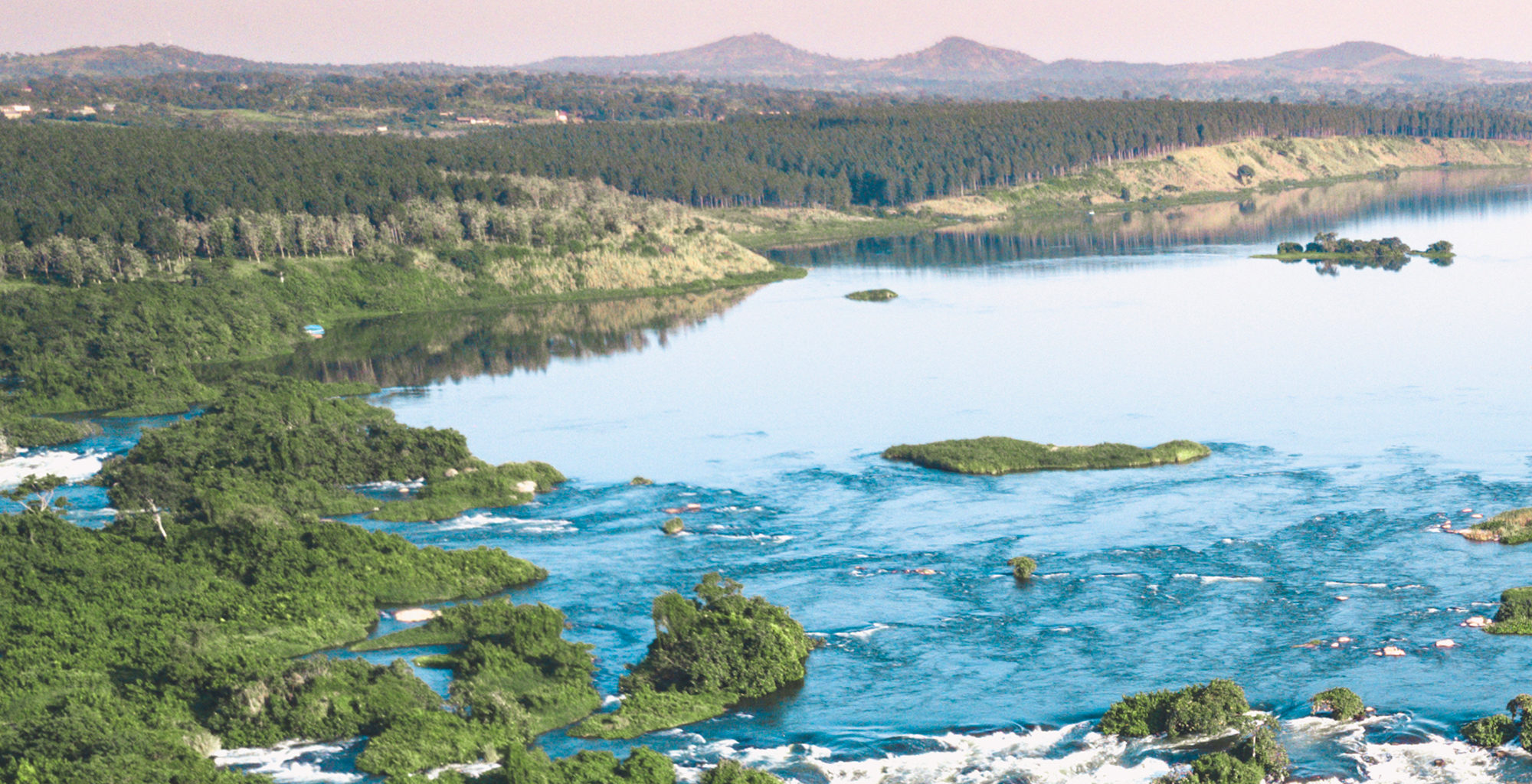
Largest Lake in Africa
Largest Lake in Africa
Exploring the Wonders of Lake Victoria: The Largest Lake in Africa
Introduction
Lake Victoria, the largest lake in Africa, is a majestic body of water that spans across three countries: Tanzania, Uganda, and Kenya. This natural wonder is not only the largest lake in Africa by surface area but also the world’s second-largest freshwater lake. With its rich biodiversity, cultural significance, and economic importance, Lake Victoria is a fascinating subject for exploration.
The Geographical Marvel of Lake Victoria
Location and Size
Lake Victoria is situated in the eastern part of Africa, lying between the eastern and western branches of the Great Rift Valley. Covering an impressive surface area of approximately 68,800 square kilometers, it dwarfs other African lakes. Its vast expanse stretches over 400 kilometers from north to south and about 250 kilometers from east to west.
Depth and Volume
Despite its massive surface area, Lake Victoria is relatively shallow, with an average depth of about 40 meters and a maximum depth of 84 meters. The lake holds approximately 2,424 cubic kilometers of water, making it a crucial freshwater resource for the region.
The Rich Biodiversity of Lake Victoria
Aquatic Life
Lake Victoria is home to a diverse array of aquatic life, including over 500 species of fish. The most famous among them is the Nile perch, a large predatory fish that has had a significant impact on the lake’s ecosystem. Other notable species include tilapia, catfish, and various cichlids.
Birdlife
The lake’s shores and islands provide a habitat for numerous bird species, making it a paradise for birdwatchers. Some of the most common birds found around Lake Victoria include the African fish eagle, kingfishers, herons, and pelicans.
Flora
The lake’s surrounding areas are rich in vegetation, with papyrus reeds, water lilies, and various aquatic plants lining its shores. These plants play a vital role in maintaining the lake’s ecological balance by providing habitat and food for numerous species.
The Cultural Significance of Lake Victoria
Historical Importance
Lake Victoria has been a vital part of the region’s history for centuries. It was named after Queen Victoria of the United Kingdom by the British explorer John Hanning Speke, who was the first European to discover the lake in 1858. The lake has since played a crucial role in the development of the surrounding communities.
Cultural Heritage
The lake is home to several ethnic groups, each with its unique cultural practices and traditions. The Luo, Baganda, and Sukuma are among the largest communities living around the lake. These communities rely heavily on the lake for their livelihoods, with fishing being a primary economic activity.
Folklore and Myths
Lake Victoria is steeped in folklore and myths, with many local legends surrounding its creation and significance. These stories often highlight the lake’s importance to the people and their deep connection to the natural world.
The Economic Importance of Lake Victoria
Fishing Industry
The fishing industry is the backbone of the local economy, providing employment and sustenance to millions of people living around the lake. The Nile perch and tilapia are the most commercially valuable fish species, with exports reaching international markets.
Agriculture
The fertile lands surrounding Lake Victoria support a thriving agricultural sector. Crops such as maize, rice, and sugarcane are grown in abundance, contributing to the region’s food security and economic stability.
Tourism
Lake Victoria’s stunning landscapes and rich biodiversity attract tourists from around the world. Popular activities include boat tours, birdwatching, and visits to the lake’s numerous islands, such as the Ssese Islands and Rubondo Island National Park.
Environmental Challenges Facing Lake Victoria
Pollution
Pollution is a significant threat to Lake Victoria’s ecosystem. Industrial waste, agricultural runoff, and untreated sewage are major sources of pollution, leading to the degradation of water quality and loss of biodiversity.
Invasive Species
The introduction of non-native species, such as the Nile perch and water hyacinth, has had a profound impact on the lake’s ecosystem. These invasive species have disrupted the natural balance, leading to the decline of native fish populations and the alteration of aquatic habitats.
Climate Change
Climate change poses a long-term threat to Lake Victoria, with rising temperatures and changing rainfall patterns affecting water levels and the lake’s overall health. These changes have far-reaching implications for the region’s economy and food security.
Conservation Efforts and Future Prospects
Restoration Initiatives
Efforts are underway to restore and preserve Lake Victoria’s ecosystem. These initiatives include pollution control measures, habitat restoration projects, and the promotion of sustainable fishing practices.
Community Involvement
Local communities play a crucial role in the conservation of Lake Victoria. By raising awareness and promoting sustainable practices, these communities are helping to protect the lake for future generations.
International Collaboration
International organizations and governments are working together to address the environmental challenges facing Lake Victoria. Collaborative efforts aim to improve water quality, restore biodiversity, and ensure the sustainable use of the lake’s resources.
Conclusion
Lake Victoria, the largest lake in Africa, is a natural wonder of immense ecological, cultural, and economic significance. Despite the challenges it faces, the lake remains a vital resource for the millions of people who depend on it. Through concerted conservation efforts and sustainable practices, Lake Victoria can continue to thrive and support the diverse communities and ecosystems that call it home.
FAQ
1. What is the largest lake in Africa?
Lake Victoria is the largest lake in Africa by surface area, covering approximately 68,800 square kilometers.
2. Which countries share Lake Victoria?
Lake Victoria is shared by three countries: Tanzania, Uganda, and Kenya.
3. What are the main fish species found in Lake Victoria?
The main fish species found in Lake Victoria include the Nile perch, tilapia, catfish, and various cichlids.
4. What are the environmental challenges facing Lake Victoria?
The main environmental challenges facing Lake Victoria include pollution, invasive species, and the impacts of climate change.
5. How can Lake Victoria be conserved for future generations?
Lake Victoria can be conserved through pollution control, habitat restoration, sustainable fishing practices, community involvement, and international collaboration.