
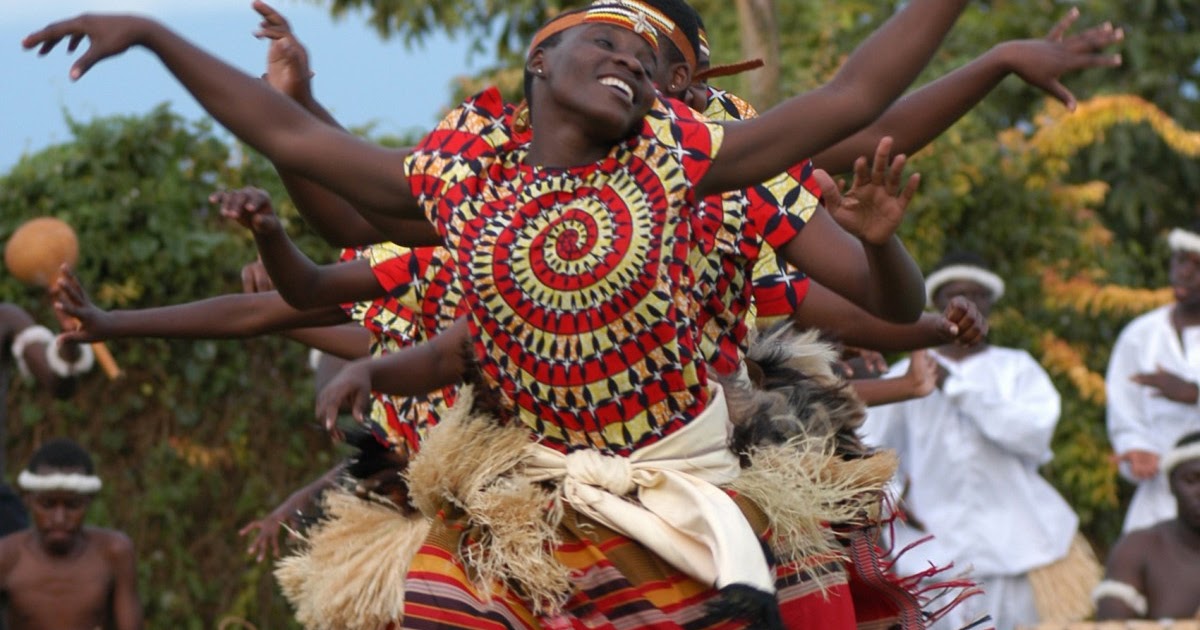
Baganda Tribe
Baganda Tribe
The Rich Heritage and Culture of the Baganda Tribe
Introduction
The Baganda tribe is one of the largest and most influential ethnic groups in Uganda, known for its rich cultural heritage, traditions, and historical significance. This article delves into the fascinating world of the Baganda people, exploring their history, customs, and the impact they have had on Uganda and beyond.
Historical Background
Origins of the Baganda
The origins of the Baganda tribe can be traced back to the Bantu migrations, which brought various ethnic groups to the Great Lakes region of Africa. The Baganda settled in the central part of present-day Uganda, establishing the Buganda Kingdom, which became a dominant political and cultural force in the region.
The Buganda Kingdom
The Buganda Kingdom played a crucial role in shaping the history of Uganda. With a centralized monarchy, the kingdom was known for its well-organized political structure and efficient administration. The Kabaka, or king, was the supreme ruler, supported by a council of chiefs and advisors.
Cultural Practices and Traditions
Language and Communication
The Baganda people speak Luganda, a Bantu language that serves as a lingua franca in Uganda. Luganda is not only a means of communication but also a vital part of the Baganda’s cultural identity, with rich oral traditions and proverbs that convey wisdom and values.
Traditional Attire
The traditional attire of the Baganda is the kanzu for men and the gomesi for women. The kanzu is a long white robe, while the gomesi is a colorful dress with a sash tied around the waist. These garments are worn during cultural ceremonies and celebrations, reflecting the Baganda’s pride in their heritage.
Music and Dance
Music and dance are integral to Baganda culture, with various traditional instruments such as the drum, xylophone, and harp playing a central role. The Baganda are known for their vibrant dances, such as the Bakisimba and Nankasa, which are performed during ceremonies and festivals.
Social Structure and Governance
The Role of the Kabaka
The Kabaka is the spiritual and cultural leader of the Baganda people, revered as a symbol of unity and continuity. The Kabaka’s authority extends beyond political matters, influencing social and cultural aspects of Baganda life.
Clan System
The Baganda society is organized into clans, each with its own totem and customs. The clan system fosters a sense of belonging and identity, with members sharing responsibilities and supporting one another in times of need.
Economic Activities
Agriculture and Trade
Agriculture is the backbone of the Baganda economy, with crops such as bananas, coffee, and maize being the primary sources of livelihood. The Baganda are also skilled traders, with a long history of engaging in commerce with neighboring communities.
Craftsmanship and Artistry
The Baganda are renowned for their craftsmanship, producing intricate crafts such as bark cloth, pottery, and beadwork. These crafts are not only a source of income but also a means of preserving cultural traditions.
Challenges and Opportunities
Modernization and Cultural Preservation
As Uganda undergoes rapid modernization, the Baganda face the challenge of preserving their cultural heritage while adapting to new realities. Efforts are being made to document and promote Baganda traditions, ensuring that future generations can appreciate and celebrate their rich history.
Political Influence
The Baganda continue to play a significant role in Uganda’s political landscape, advocating for greater autonomy and representation. The Buganda Kingdom remains a powerful cultural institution, with the Kabaka serving as a unifying figure for the Baganda people.
Conclusion
The Baganda tribe is a testament to the resilience and vibrancy of African cultures. With a rich history, diverse traditions, and a strong sense of identity, the Baganda continue to shape the cultural and political landscape of Uganda. By embracing their heritage and adapting to modern challenges, the Baganda people ensure that their legacy endures for generations to come.
FAQ
What is the significance of the Buganda Kingdom?
The Buganda Kingdom is significant for its historical and cultural influence in Uganda. It played a central role in the political and social development of the region, with the Kabaka serving as a symbol of unity and continuity for the Baganda people.
How do the Baganda preserve their cultural heritage?
The Baganda preserve their cultural heritage through oral traditions, music, dance, and craftsmanship. Efforts are also being made to document and promote Baganda customs and traditions, ensuring that they are passed down to future generations.
What are the main economic activities of the Baganda?
The main economic activities of the Baganda include agriculture, trade, and craftsmanship. They cultivate crops such as bananas, coffee, and maize, engage in commerce, and produce intricate crafts that reflect their cultural heritage.
How is the Baganda society organized?
The Baganda society is organized into clans, each with its own totem and customs. The clan system fosters a sense of belonging and identity, with members supporting one another in various aspects of life.
What challenges do the Baganda face in modern times?
The Baganda face challenges related to modernization and cultural preservation. As Uganda undergoes rapid development, efforts are being made to balance the preservation of Baganda traditions with the need to adapt to new realities.