
Savanna Food Chain
Savanna Food Chain
The Intricate Dynamics of the Savanna Food Chain
Understanding the Savanna Ecosystem
The savanna ecosystem is a unique and complex environment characterized by its vast open landscapes, scattered trees, and diverse array of wildlife. It is a transitional biome, found between tropical rainforests and deserts, and is home to a wide variety of plant and animal species. The savanna is a place of both abundance and scarcity, where the interplay of climate, vegetation, and wildlife creates a dynamic and ever-changing environment.
The Role of Climate in the Savanna
The climate of the savanna plays a crucial role in shaping its ecosystem. With distinct wet and dry seasons, the savanna experiences periods of intense rainfall followed by prolonged droughts. This cyclical pattern influences the growth of vegetation, which in turn affects the availability of food and resources for the animals that inhabit the savanna.
Vegetation: The Foundation of the Food Chain
At the base of the savanna food chain are the primary producers, which include a variety of grasses, shrubs, and trees. These plants have adapted to survive in the harsh conditions of the savanna, with deep root systems to access water during dry periods and the ability to quickly regenerate after fires. The vegetation provides the essential nutrients and energy needed to support the entire food chain.
The Trophic Levels of the Savanna Food Chain
The savanna food chain is composed of different trophic levels, each representing a step in the transfer of energy and nutrients from one organism to another. Understanding these levels is key to comprehending the complex interactions within the savanna ecosystem.
Primary Consumers: Herbivores of the Savanna
Primary consumers, or herbivores, are the first level of consumers in the savanna food chain. These animals feed directly on the vegetation and include a diverse array of species such as zebras, elephants, giraffes, and antelopes. Each herbivore species has its own unique adaptations that allow it to efficiently consume and digest the plant material available in the savanna.
- Zebras: Known for their distinctive black and white stripes, zebras primarily graze on grasses and are highly social animals that live in large herds.
- Elephants: As the largest land mammals, elephants have a significant impact on the savanna ecosystem. They consume large quantities of vegetation, including grasses, leaves, and bark, and play a crucial role in shaping the landscape.
- Giraffes: With their long necks, giraffes are well-adapted to browsing on the leaves of tall trees, such as acacias, that other herbivores cannot reach.
- Antelopes: This diverse group of herbivores includes species such as impalas, gazelles, and kudus, each with its own feeding habits and preferences.
Secondary Consumers: Carnivores and Omnivores
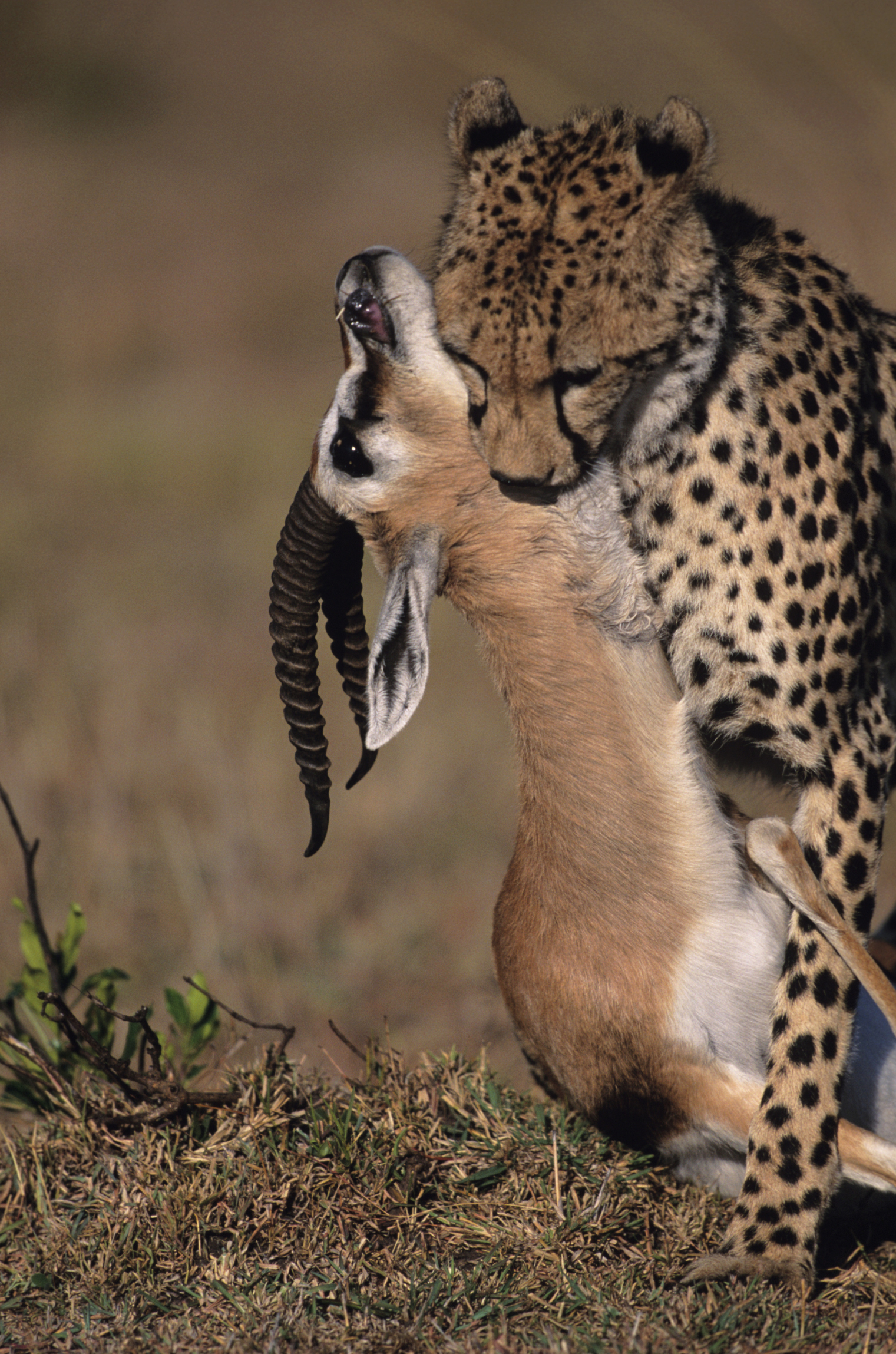
Secondary consumers in the savanna food chain are carnivores and omnivores that prey on herbivores. These animals are essential for controlling herbivore populations and maintaining the balance of the ecosystem. Key secondary consumers in the savanna include lions, cheetahs, hyenas, and wild dogs.
- Lions: Known as the “king of the jungle,” lions are apex predators that hunt in prides and primarily target large herbivores such as zebras and wildebeests.
- Cheetahs: Renowned for their incredible speed, cheetahs are solitary hunters that rely on stealth and agility to catch smaller herbivores like gazelles.
- Hyenas: Often misunderstood, hyenas are highly efficient scavengers and hunters that play a vital role in cleaning up carrion and controlling prey populations.
- Wild Dogs: Also known as African painted dogs, these social animals hunt in packs and are known for their cooperative hunting strategies and high success rates.
Tertiary Consumers: Apex Predators
At the top of the savanna food chain are the tertiary consumers, or apex predators, which have no natural predators of their own. These animals are crucial for maintaining the balance of the ecosystem by regulating the populations of other species. In the savanna, apex predators include lions and leopards.
- Leopards: Solitary and elusive, leopards are highly adaptable predators that can hunt a wide range of prey, from small mammals to larger herbivores.
The Importance of Decomposers
While often overlooked, decomposers play a vital role in the savanna food chain by breaking down dead organic matter and recycling nutrients back into the ecosystem. This group includes bacteria, fungi, and detritivores such as vultures and dung beetles.
- Vultures: As scavengers, vultures feed on carrion and help prevent the spread of disease by consuming dead animals.
- Dung Beetles: These insects feed on animal dung, aiding in nutrient recycling and soil aeration.
Human Impact on the Savanna Food Chain activities have a significant impact on the savanna ecosystem and its food chain. Habitat destruction, poaching, and climate change are among the major threats facing the savanna and its inhabitants. Conservation efforts are essential to protect this unique ecosystem and ensure the survival of its diverse species.
Conservation Strategies
Efforts to conserve the savanna ecosystem focus on protecting habitats, promoting sustainable land use practices, and combating illegal wildlife trade. Key strategies include:
- Establishing protected areas and wildlife reserves
- Implementing anti-poaching measures and law enforcement
- Promoting community-based conservation initiatives
- Supporting research and monitoring programs
Frequently Asked Questions (FAQ)
What is the primary food source for herbivores in the savanna?
Herbivores in the savanna primarily feed on grasses, shrubs, and trees. Each species has its own dietary preferences and adaptations to efficiently consume and digest plant material.
How do carnivores impact the savanna food chain?
Carnivores play a crucial role in controlling herbivore populations and maintaining the balance of the ecosystem. By preying on herbivores, they help prevent overgrazing and ensure the health of the vegetation.
What role do decomposers play in the savanna ecosystem?
Decomposers break down dead organic matter and recycle nutrients back into the ecosystem. This process is essential for maintaining soil fertility and supporting plant growth.
How does climate change affect the savanna food chain?
Climate change can alter rainfall patterns and increase the frequency of droughts, affecting the availability of food and water for both plants and animals. These changes can disrupt the balance of the food chain and threaten the survival of species.
What can be done to protect the savanna ecosystem?
Conservation efforts focus on protecting habitats, promoting sustainable land use practices, and combating illegal wildlife trade. Establishing protected areas, implementing anti-poaching measures, and supporting community-based initiatives are key strategies for safeguarding the savanna ecosystem.
In conclusion, the savanna food chain is a complex and dynamic system that relies on the intricate interactions between plants, herbivores, carnivores, and decomposers. Understanding and preserving this unique ecosystem is essential for maintaining biodiversity and ensuring the survival of its diverse species. Through conservation efforts and sustainable practices, we can protect the savanna and its inhabitants for future generations.