
Ugandan Cooking
Ugandan Cooking
A Culinary Journey Through Ugandan Cooking: Discover the Rich Flavors and Traditions
Ugandan cuisine is a vibrant tapestry of flavors, deeply rooted in the country’s diverse cultural heritage and abundant natural resources. This article will take you on a culinary journey through Uganda, exploring its traditional dishes, cooking techniques, and the cultural significance of food in Ugandan society. From the bustling markets of Kampala to the serene shores of Lake Victoria, Ugandan cooking offers a unique and delicious experience that is sure to tantalize your taste buds.
The Essence of Ugandan Cuisine
Ugandan cuisine is characterized by its use of fresh, locally sourced ingredients, which are often prepared using simple yet flavorful cooking methods. The country’s fertile soil and favorable climate allow for a wide variety of fruits, vegetables, and grains to thrive, providing the foundation for many traditional dishes. Ugandan cooking is also heavily influenced by the country’s diverse ethnic groups, each of which brings its own unique flavors and culinary traditions to the table.
Staple Ingredients in Ugandan Cooking
At the heart of Ugandan cuisine are a few staple ingredients that form the basis of many traditional dishes. These include:
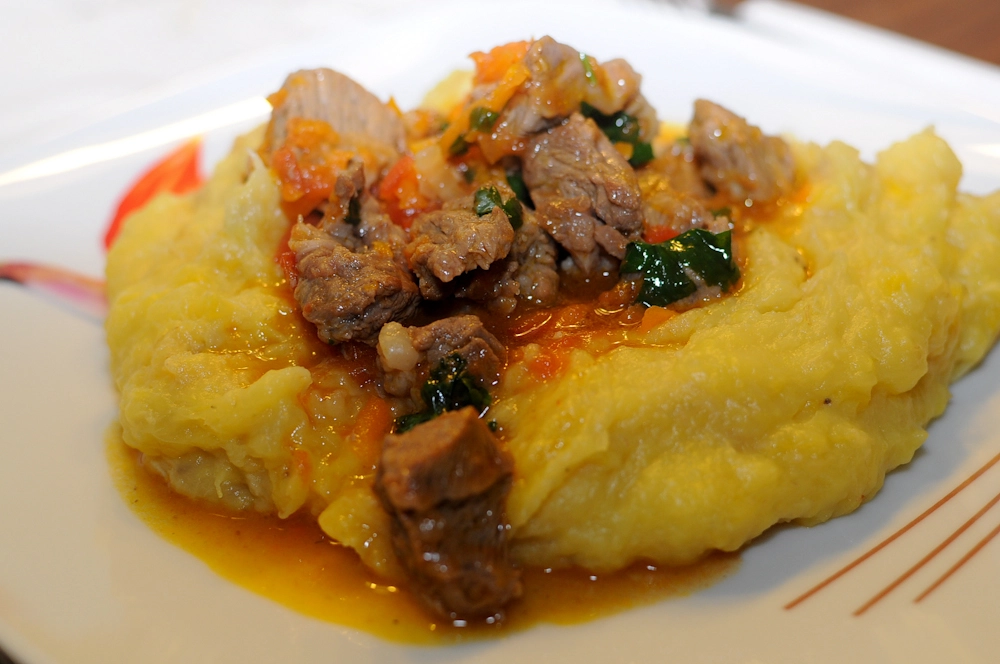
- Matoke: A type of green banana that is a staple food in Uganda. Matoke is often steamed or boiled and served as a side dish or mashed into a starchy paste.
- Posho: A thick porridge made from maize flour, similar to polenta. Posho is a common accompaniment to many Ugandan meals.
- Cassava: A root vegetable that is boiled, fried, or roasted and served as a side dish.
- Sweet Potatoes: Often boiled or roasted and served as a side dish or used in stews and soups.
- Groundnuts: Also known as peanuts, groundnuts are used to make sauces and pastes that add flavor and richness to many dishes.
Traditional Ugandan Dishes
Ugandan cuisine boasts a wide array of traditional dishes, each with its own unique flavors and cultural significance. Some of the most popular dishes include:
- Luwombo: A traditional dish made by steaming meat, fish, or vegetables in banana leaves. The dish is often flavored with groundnut sauce and served with matoke or posho.
- Rolex: A popular street food made by rolling an omelet and vegetables in a chapati (flatbread). The name “Rolex” is a play on the words “rolled eggs.”
- Ugali: A thick porridge made from maize flour, similar to posho, but with a slightly different texture and flavor.
- Binyebwa: A rich and flavorful groundnut sauce that is often served with meat or vegetables.
- Malewa: A traditional dish made from bamboo shoots, often cooked with groundnut sauce and served with posho or matoke.
Cooking Techniques and Traditions
Ugandan cooking techniques are often simple, yet they bring out the natural flavors of the ingredients. Some common cooking methods include:
- Steaming: A popular method for cooking matoke and other vegetables, as well as for preparing dishes like luwombo.
- Boiling: Used for cooking staples like cassava, sweet potatoes, and posho.
- Frying: Often used for preparing meats, fish, and certain vegetables.
- Roasting: A traditional method for cooking meats and root vegetables, often over an open fire.
In Ugandan culture, food is more than just sustenance; it is a way of bringing people together and celebrating life’s important moments. Meals are often shared with family and friends, and traditional dishes are prepared with care and love.
The Cultural Significance of Ugandan Food
Food plays a central role in Ugandan culture, serving as a symbol of hospitality, community, and tradition. Many Ugandan dishes are prepared for special occasions and celebrations, such as weddings, festivals, and religious ceremonies. Sharing a meal is a way of strengthening social bonds and expressing gratitude and respect.
Ugandan Food and Festivals
Uganda is home to a rich tapestry of cultural festivals and celebrations, many of which feature traditional foods as a central element. Some notable festivals include:
- The Kampala City Festival: A vibrant celebration of Ugandan culture, featuring music, dance, and traditional foods from across the country.
- The Nyege Nyege Festival: An annual music and arts festival that showcases Ugandan cuisine alongside performances by local and international artists.
- The Buganda Kingdom Coronation Anniversary: A celebration of the Buganda Kingdom’s rich history and culture, featuring traditional foods and ceremonies.
Ugandan Food and Religion
Religion plays an important role in Ugandan society, and many religious ceremonies and rituals involve the preparation and sharing of traditional foods. For example, during the Muslim holy month of Ramadan, Ugandan Muslims break their fast with traditional dishes such as samosas, chapati, and biryani. Similarly, during Christian holidays like Christmas and Easter, families gather to share festive meals that often include dishes like roast chicken, beef stew, and sweet potatoes.
The Future of Ugandan Cuisine
As Uganda continues to modernize and urbanize, its culinary landscape is evolving. While traditional dishes remain popular, there is a growing interest in fusion cuisine and international flavors. Ugandan chefs are experimenting with new ingredients and cooking techniques, creating innovative dishes that reflect the country’s dynamic and diverse culture.
The Rise of Ugandan Fusion Cuisine
Ugandan fusion cuisine is a burgeoning trend that combines traditional flavors with international influences. Some popular fusion dishes include:
- Sushi Rolex: A creative twist on the traditional Rolex, featuring sushi rice and nori wrapped around the omelet and vegetables.
- Matoke Pizza: A unique fusion of Italian and Ugandan flavors, featuring a pizza crust made from mashed matoke and topped with local ingredients.
- Groundnut Curry: A flavorful dish that combines traditional Ugandan groundnut sauce with Indian spices and vegetables.
The Role of Ugandan Chefs in Promoting Local Cuisine
Ugandan chefs are playing a crucial role in promoting and preserving the country’s culinary heritage. By showcasing traditional dishes and ingredients in innovative ways, they are helping to raise awareness of Ugandan cuisine on the global stage. Many chefs are also committed to using locally sourced, sustainable ingredients, supporting local farmers and producers in the process.
Conclusion
Ugandan cooking is a rich and diverse culinary tradition that reflects the country’s vibrant culture and history. From traditional dishes like luwombo and Rolex to innovative fusion creations, Ugandan cuisine offers a unique and delicious experience for food lovers around the world. By exploring the flavors and traditions of Ugandan cooking, we can gain a deeper understanding of the country’s cultural heritage and the important role that food plays in bringing people together.
FAQ
What are some popular Ugandan dishes?
Some popular Ugandan dishes include luwombo, Rolex, ugali, binyebwa, and malewa. These dishes showcase the diverse flavors and ingredients of Ugandan cuisine.
What are the staple ingredients in Ugandan cooking?
Staple ingredients in Ugandan cooking include matoke, posho, cassava, sweet potatoes, and groundnuts. These ingredients form the basis of many traditional dishes.
How is food significant in Ugandan culture?
Food is a central part of Ugandan culture, symbolizing hospitality, community, and tradition. Sharing meals is a way of strengthening social bonds and celebrating important occasions.
What is Ugandan fusion cuisine?
Ugandan fusion cuisine is a trend that combines traditional Ugandan flavors with international influences. It includes dishes like Sushi Rolex, matoke pizza, and groundnut curry.
How are Ugandan chefs promoting local cuisine?
Ugandan chefs are promoting local cuisine by showcasing traditional dishes and ingredients in innovative ways. They are also committed to using locally sourced, sustainable ingredients to support local farmers and producers.