
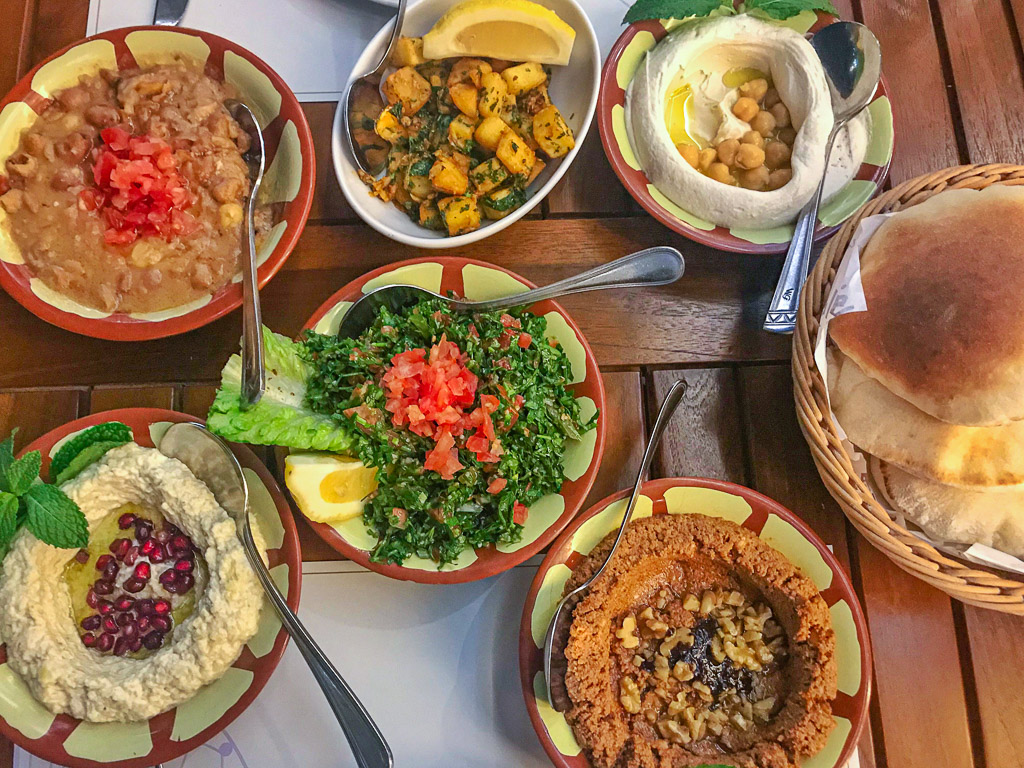
Ugandan Vegetarian Dishes
Ugandan Vegetarian Dishes: A Culinary Journey Through Flavorful Traditions
Introduction
Uganda, often referred to as the “Pearl of Africa,” is renowned for its rich cultural heritage and diverse culinary traditions. While meat dishes are prevalent in Ugandan cuisine, the country also boasts a variety of delectable vegetarian options that are both nutritious and flavorful. In this article, we will explore some of the most popular Ugandan vegetarian dishes, their cultural significance, and how they are prepared. Whether you’re a vegetarian looking to expand your culinary horizons or simply curious about Ugandan cuisine, this guide will provide you with a comprehensive overview of the vegetarian delights that Uganda has to offer.
The Rich Tapestry of Ugandan Cuisine
Ugandan cuisine is a reflection of the country’s diverse ethnic groups, each contributing unique flavors and cooking techniques. The use of locally sourced ingredients, such as plantains, beans, and vegetables, forms the foundation of many traditional dishes. Ugandan vegetarian dishes are not only delicious but also offer a glimpse into the country’s cultural heritage and the importance of sustainable, plant-based eating.
The Staple Ingredients
- Matoke: A type of green banana, matoke is a staple in Ugandan cuisine. It is often steamed or boiled and served as a side dish or incorporated into stews.
- Beans: Beans are a common source of protein in Ugandan vegetarian dishes. They are typically cooked with spices and served with rice or chapati.
- Groundnuts (Peanuts): Groundnuts are used to make a rich, creamy sauce that accompanies many dishes. They are a key ingredient in the popular dish known as “groundnut stew.”
- Cassava: Cassava is a root vegetable that is boiled, fried, or mashed to create various dishes.
- Sweet Potatoes: These are often boiled or roasted and served as a side dish.
Popular Ugandan Vegetarian Dishes
1. Matoke with Groundnut Sauce
Matoke with groundnut sauce is a quintessential Ugandan dish that showcases the harmonious blend of flavors and textures. The creamy groundnut sauce complements the slightly sweet and starchy matoke, creating a satisfying and comforting meal.
Ingredients:
- Matoke (green bananas)
- Groundnuts (peanuts)
- Onions
- Tomatoes
- Salt
- Spices (such as cumin and coriander)
Preparation:
- Peel and steam the matoke until tender.
- In a separate pan, roast the groundnuts until golden brown and grind them into a paste.
- Sauté onions and tomatoes in oil, then add the groundnut paste and spices.
- Simmer the sauce until thickened, then pour it over the steamed matoke.
2. Sim Sim (Sesame) Stew
Sim Sim stew is a flavorful dish made from sesame seeds, which are ground into a paste and cooked with vegetables. This dish is rich in nutrients and offers a unique taste experience.
Ingredients:
- Sesame seeds
- Onions
- Tomatoes
- Spinach or other leafy greens
- Salt
- Spices (such as garlic and ginger)
Preparation:
- Toast the sesame seeds until fragrant and grind them into a paste.
- Sauté onions and tomatoes in oil, then add the sesame paste and spices.
- Add the leafy greens and cook until wilted.
- Serve the stew with rice or chapati.
3. Luwombo
Luwombo is a traditional Ugandan dish that is often prepared for special occasions. It involves steaming ingredients in banana leaves, infusing the dish with a distinct aroma and flavor.
Ingredients:
- Mushrooms or vegetables (such as eggplant and carrots)
- Onions
- Tomatoes
- Groundnuts (optional)
- Banana leaves
- Salt
- Spices (such as curry powder)
Preparation:
- Sauté onions and tomatoes in oil, then add the mushrooms or vegetables and spices.
- Wrap the mixture in banana leaves and secure with twine.
- Steam the wrapped parcels until the ingredients are cooked through.
- Serve with rice or matoke.
Cultural Significance of Ugandan Vegetarian Dishes
Ugandan vegetarian dishes are more than just meals; they are a reflection of the country’s cultural identity and agricultural practices. The emphasis on locally sourced ingredients and traditional cooking methods highlights the importance of sustainability and community in Ugandan society. These dishes are often shared during communal gatherings, reinforcing social bonds and celebrating the bounty of the land.
Health Benefits of Ugandan Vegetarian Dishes
In addition to their cultural significance, Ugandan vegetarian dishes offer numerous health benefits. They are typically rich in fiber, vitamins, and minerals, making them a nutritious choice for those seeking a balanced diet. The use of plant-based ingredients also aligns with global trends towards sustainable and environmentally friendly eating practices.
Conclusion
Ugandan vegetarian dishes offer a tantalizing glimpse into the country’s rich culinary heritage. From the comforting flavors of matoke with groundnut sauce to the aromatic allure of luwombo, these dishes are a testament to the creativity and resourcefulness of Ugandan cooks. Whether you’re a seasoned vegetarian or simply looking to explore new flavors, Ugandan cuisine has something to offer everyone.
FAQ
1. What are some common ingredients in Ugandan vegetarian dishes?
Common ingredients include matoke, beans, groundnuts, cassava, and sweet potatoes.
2. Are Ugandan vegetarian dishes spicy?
While some dishes may include spices, Ugandan cuisine is generally not overly spicy. The use of spices is meant to enhance flavors rather than overpower them.
3. Can I find Ugandan vegetarian dishes outside of Uganda?
Yes, many Ugandan restaurants and cultural festivals around the world offer traditional dishes, including vegetarian options.
4. Are Ugandan vegetarian dishes suitable for vegans?
Many Ugandan vegetarian dishes are naturally vegan, as they primarily use plant-based ingredients.
5. How can I make Ugandan vegetarian dishes at home?
You can find recipes online or in cookbooks dedicated to African cuisine. Experimenting with traditional ingredients and cooking methods can help you recreate authentic flavors.