
Lake Victoria Ecosystem
Lake Victoria Ecosystem
The Lake Victoria Ecosystem: A Comprehensive Guide
Lake Victoria, the largest lake in Africa and the second-largest freshwater lake in the world, is a vital ecosystem that supports millions of people, countless species, and a complex web of biodiversity. Spanning three countries—Kenya, Uganda, and Tanzania—this vast body of water is not only a natural wonder but also a critical resource for the surrounding communities. In this article, we will dive deep into the Lake Victoria ecosystem, exploring its unique characteristics, the challenges it faces, and the efforts being made to preserve it.
The Importance of Lake Victoria
Lake Victoria is often referred to as the “lifeblood” of East Africa. Its significance extends beyond its sheer size; it plays a crucial role in the region’s economy, culture, and environment. The lake provides water for drinking, irrigation, and industrial use, supports a thriving fishing industry, and is home to a wide variety of plant and animal species.
Economic Significance
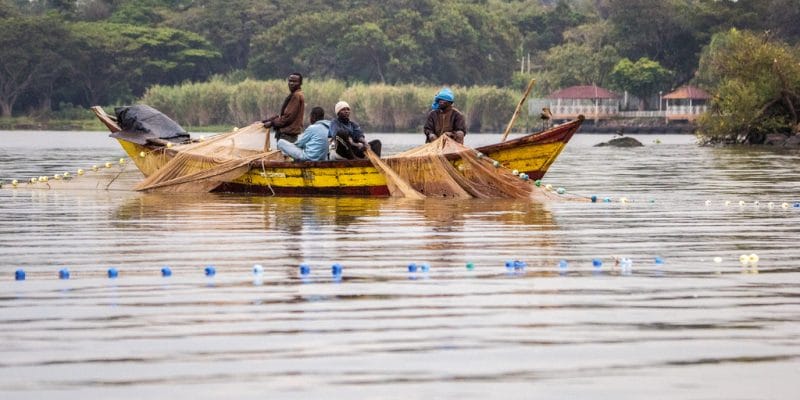
The fishing industry is one of the most important sectors in the Lake Victoria region. The lake is home to several commercially valuable fish species, including Nile perch and tilapia, which are exported to international markets. The fishing industry provides employment for millions of people, from fishermen to fish processors and traders. Additionally, the lake supports agriculture through irrigation, contributing to food security in the region.
Biodiversity and Wildlife
Lake Victoria is a biodiversity hotspot, home to over 500 species of fish, many of which are found nowhere else in the world. The lake’s ecosystem also supports a wide range of bird species, reptiles, amphibians, and mammals. However, the introduction of non-native species, such as the Nile perch, has disrupted the natural balance of the ecosystem, leading to the decline of many native species.
Environmental Challenges Facing Lake Victoria
Despite its importance, Lake Victoria is facing numerous environmental challenges that threaten its long-term sustainability. These challenges include pollution, overfishing, invasive species, and climate change.
Pollution
One of the most pressing issues facing Lake Victoria is pollution. The lake is heavily polluted by industrial waste, agricultural runoff, and untreated sewage from surrounding urban areas. This pollution has led to the degradation of water quality, the proliferation of harmful algal blooms, and the loss of aquatic life. Efforts to reduce pollution are ongoing, but much more needs to be done to protect the lake’s fragile ecosystem.
Overfishing
Overfishing is another major threat to the Lake Victoria ecosystem. The high demand for fish, both locally and internationally, has led to the depletion of fish stocks, particularly the Nile perch and tilapia. This has not only affected the livelihoods of fishermen but also disrupted the lake’s food chain, leading to imbalances in the ecosystem.
Invasive Species
The introduction of invasive species, such as the Nile perch, has had a profound impact on the Lake Victoria ecosystem. While the Nile perch has become a valuable commercial species, its introduction has led to the decline of many native fish species, some of which are now endangered or extinct. Efforts to control the population of invasive species are ongoing, but the long-term effects on the ecosystem remain uncertain.
Climate Change
Climate change is also affecting Lake Victoria. Rising temperatures and changing rainfall patterns have led to fluctuations in water levels, which can have devastating effects on the lake’s ecosystem. Droughts and floods have become more frequent, disrupting agriculture, fishing, and water supply in the region.
Conservation Efforts and Sustainable Solutions
Despite the challenges facing Lake Victoria, there are numerous conservation efforts and sustainable solutions being implemented to protect the lake and its ecosystem. These efforts involve governments, non-governmental organizations, and local communities working together to address the environmental issues facing the lake.
Pollution Control
One of the key strategies for protecting Lake Victoria is reducing pollution. Governments and organizations are working to improve wastewater treatment facilities, promote sustainable agricultural practices, and raise awareness about the importance of protecting the lake’s water quality. Additionally, efforts are being made to reduce the use of harmful chemicals in agriculture and industry, which can contribute to water pollution.
Sustainable Fishing Practices
To address the issue of overfishing, there are ongoing efforts to promote sustainable fishing practices in Lake Victoria. This includes implementing fishing quotas, establishing protected areas where fishing is restricted, and promoting alternative livelihoods for communities that rely on fishing. By managing fish stocks more effectively, it is hoped that the lake’s ecosystem can recover and continue to support the fishing industry in the long term.
Controlling Invasive Species
Efforts to control the population of invasive species, such as the Nile perch, are also underway. This includes promoting the use of native fish species in aquaculture and encouraging the consumption of native fish in local markets. Additionally, research is being conducted to better understand the impact of invasive species on the lake’s ecosystem and develop strategies for mitigating their effects.
Climate Change Adaptation
To address the impacts of climate change, there are efforts to improve water management in the Lake Victoria basin. This includes building infrastructure to store water during periods of drought, improving irrigation systems, and promoting climate-resilient agricultural practices. Additionally, governments and organizations are working to raise awareness about the importance of climate change adaptation and encourage communities to take action to protect the lake’s ecosystem.
The Future of Lake Victoria
The future of Lake Victoria depends on the actions taken today to address the environmental challenges it faces. While there are many efforts underway to protect the lake and its ecosystem, much more needs to be done to ensure its long-term sustainability. By working together, governments, organizations, and local communities can help preserve this vital resource for future generations.
Key Takeaways
- Lake Victoria is the largest lake in Africa and the second-largest freshwater lake in the world.
- The lake is a vital resource for the surrounding communities, providing water, food, and employment.
- Lake Victoria is facing numerous environmental challenges, including pollution, overfishing, invasive species, and climate change.
- Conservation efforts are underway to protect the lake and its ecosystem, but more action is needed to ensure its long-term sustainability.
Frequently Asked Questions (FAQ)
1. What is the significance of Lake Victoria?
Lake Victoria is a vital resource for East Africa, providing water, food, and employment for millions of people. It is also home to a rich diversity of plant and animal species, making it an important ecosystem for biodiversity.
2. What are the main environmental challenges facing Lake Victoria?
The main environmental challenges facing Lake Victoria include pollution, overfishing, invasive species, and climate change. These issues threaten the long-term sustainability of the lake and its ecosystem.
3. How is pollution affecting Lake Victoria?
Pollution from industrial waste, agricultural runoff, and untreated sewage is degrading the water quality of Lake Victoria. This has led to harmful algal blooms, the loss of aquatic life, and the decline of fish stocks.
4. What efforts are being made to protect Lake Victoria?
Efforts to protect Lake Victoria include reducing pollution, promoting sustainable fishing practices, controlling invasive species, and adapting to the impacts of climate change. Governments, organizations, and local communities are working together to address these issues.
5. How can local communities help protect Lake Victoria?
Local communities can help protect Lake Victoria by adopting sustainable fishing practices, reducing pollution, and participating in conservation efforts. Additionally, raising awareness about the importance of protecting the lake’s ecosystem is crucial for its long-term sustainability.