
Lake Victoria Environmental Issues
Lake Victoria Environmental Issues
Lake Victoria Environmental Issues: A Comprehensive Analysis
Introduction
Lake Victoria, the largest lake in Africa and the second-largest freshwater lake in the world, is a critical resource for the countries that surround it: Kenya, Tanzania, and Uganda. It provides water, food, and economic opportunities for millions of people. However, the lake is facing a multitude of environmental challenges that threaten its biodiversity, water quality, and the livelihoods of those who depend on it.
In this article, we will explore the major environmental issues affecting Lake Victoria, including pollution, invasive species, overfishing, and climate change. We will also discuss the efforts being made to address these problems and the potential solutions that could help restore the lake’s ecological balance.
The Importance of Lake Victoria
Economic and Social Significance
Lake Victoria is a vital economic resource for the region. It supports the livelihoods of over 40 million people who rely on its waters for fishing, agriculture, and transportation. The lake is also a major source of hydroelectric power, providing energy to surrounding areas. Additionally, it serves as a hub for tourism, attracting visitors from around the world to its scenic shores and diverse wildlife.
Biodiversity Hotspot
Lake Victoria is home to a rich diversity of species, including over 500 species of fish, many of which are endemic to the lake. The most famous of these is the Nile perch, a large predatory fish that has become both a blessing and a curse for the lake’s ecosystem. The lake also supports a variety of bird species, reptiles, and amphibians, making it a critical habitat for wildlife.
Major Environmental Issues
1. Pollution
One of the most pressing environmental issues facing Lake Victoria is pollution. The lake is heavily polluted by industrial waste, agricultural runoff, and untreated sewage from surrounding cities and towns. This pollution has led to a decline in water quality, making it unsafe for drinking and harming aquatic life.
Sources of Pollution
- Industrial Waste: Factories located near the lake discharge chemicals and heavy metals into the water, contaminating the ecosystem.
- Agricultural Runoff: Fertilizers and pesticides used in farming wash into the lake, causing nutrient pollution and leading to harmful algal blooms.
- Sewage: Many urban areas around the lake lack proper sewage treatment facilities, resulting in the direct discharge of waste into the lake.
Impact on Water Quality
The pollution in Lake Victoria has led to a decrease in dissolved oxygen levels, which is essential for the survival of fish and other aquatic organisms. The increase in nutrient levels, particularly nitrogen and phosphorus, has caused eutrophication, a process that leads to excessive plant growth and the depletion of oxygen in the water. This has resulted in the death of fish and other aquatic species, disrupting the lake’s ecosystem.
2. Invasive Species
Another significant environmental issue in Lake Victoria is the presence of invasive species, particularly the Nile perch and water hyacinth. These species have had a devastating impact on the lake’s biodiversity and ecosystem.
Nile Perch
The Nile perch was introduced to Lake Victoria in the 1950s as a way to boost the local fishing industry. While it has become a valuable source of income for fishermen, it has also caused the extinction of many native fish species. The Nile perch is a voracious predator, and its introduction has led to a dramatic decline in the population of smaller, endemic fish species that once thrived in the lake.
Water Hyacinth
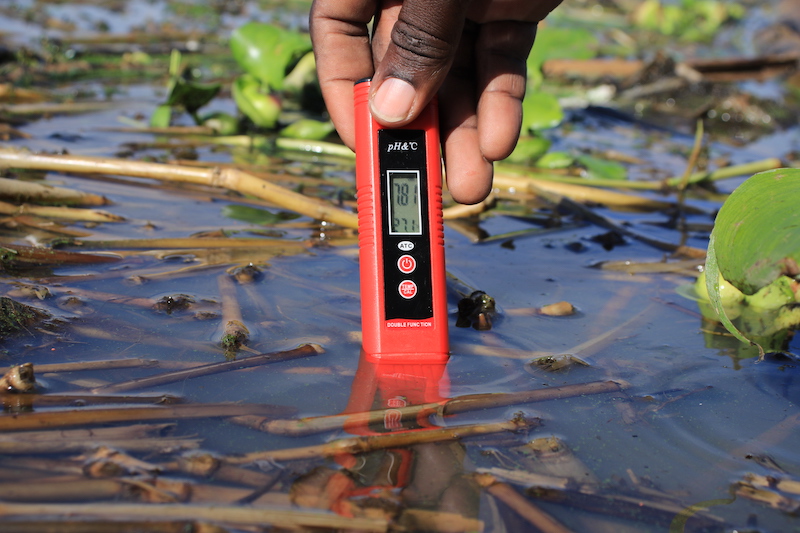
The water hyacinth is an invasive plant species that has spread rapidly across the surface of Lake Victoria. It forms dense mats that block sunlight from reaching the water, reducing oxygen levels and making it difficult for aquatic life to survive. The plant also clogs waterways, making transportation and fishing more difficult for local communities.
3. Overfishing
Overfishing is another major issue affecting Lake Victoria. The demand for fish, particularly Nile perch, has led to unsustainable fishing practices that have depleted fish populations and disrupted the lake’s ecosystem.
Causes of Overfishing
- Commercial Fishing: Large-scale commercial fishing operations target Nile perch and other fish species, often using destructive methods such as trawling.
- Illegal Fishing: Many fishermen use illegal nets and other fishing gear that catch fish of all sizes, including juveniles, preventing fish populations from replenishing.
Impact on Fish Populations
Overfishing has led to a decline in the population of many fish species, including the Nile perch. This has had a ripple effect on the entire ecosystem, as the decline in predator fish has allowed other species, such as the water hyacinth, to proliferate unchecked.
4. Climate Change
Climate change is also having a significant impact on Lake Victoria. Rising temperatures and changing weather patterns are affecting the lake’s water levels and the health of its ecosystem.
Effects of Climate Change
- Rising Temperatures: Higher temperatures are causing the lake’s water to evaporate more quickly, leading to lower water levels. This has a direct impact on the availability of water for drinking, agriculture, and hydropower generation.
- Changing Rainfall Patterns: Climate change is also affecting rainfall patterns in the region. Some areas are experiencing more intense rainfall, leading to flooding and increased runoff into the lake, while others are experiencing droughts, reducing the amount of water flowing into the lake.
Impact on the Ecosystem
The changes in temperature and rainfall are affecting the lake’s ecosystem in various ways. For example, warmer water temperatures can lead to the proliferation of harmful algal blooms, while changes in water levels can disrupt the breeding patterns of fish and other aquatic species.
Efforts to Address Environmental Issues
1. Pollution Control
Efforts are being made to reduce pollution in Lake Victoria through various initiatives, including:
- Improved Waste Management: Governments and non-governmental organizations (NGOs) are working to improve waste management systems in cities and towns around the lake to reduce the amount of untreated sewage and industrial waste entering the water.
- Sustainable Agriculture: Programs are being implemented to promote sustainable farming practices that reduce the use of harmful chemicals and minimize agricultural runoff into the lake.
2. Invasive Species Management
Several initiatives have been launched to control the spread of invasive species in Lake Victoria, including:
- Nile Perch Management: Efforts are being made to regulate the fishing of Nile perch to prevent overfishing and allow native fish species to recover.
- Water Hyacinth Removal: Local communities and organizations are working to physically remove water hyacinth from the lake and prevent its further spread.
3. Sustainable Fishing Practices
To address the issue of overfishing, various measures are being implemented, such as:
- Fishing Regulations: Governments are introducing stricter fishing regulations, including limits on the size and number of fish that can be caught, to ensure that fish populations can recover.
- Alternative Livelihoods: Programs are being developed to provide alternative livelihoods for fishermen, reducing their reliance on fishing and promoting more sustainable practices.
4. Climate Change Adaptation
Efforts to adapt to the impacts of climate change on Lake Victoria include:
- Water Conservation: Governments and organizations are promoting water conservation practices to ensure that there is enough water available for drinking, agriculture, and hydropower generation.
- Ecosystem Restoration: Projects are being implemented to restore degraded ecosystems around the lake, such as wetlands, which can help mitigate the effects of climate change by improving water quality and providing habitat for wildlife.
Potential Solutions
1. Strengthening Environmental Policies
One of the most effective ways to address the environmental issues facing Lake Victoria is to strengthen environmental policies and regulations. This includes:
- Enforcing Pollution Control Laws: Governments need to enforce existing laws that regulate pollution from industries and urban areas to prevent further contamination of the lake.
- Protecting Biodiversity: Stronger protections are needed for the lake’s biodiversity, including measures to prevent the introduction of invasive species and protect endangered fish species.
2. Promoting Community Involvement
Local communities play a crucial role in the conservation of Lake Victoria. By involving them in environmental management efforts, it is possible to achieve more sustainable outcomes. This can be done through:
- Education and Awareness: Raising awareness about the environmental issues facing the lake and the importance of conservation can help encourage local communities to adopt more sustainable practices.
- Community-Based Conservation: Programs that involve local communities in the management of natural resources, such as fisheries and wetlands, can help ensure that these resources are used sustainably.
3. Investing in Research and Innovation
Research and innovation are key to finding long-term solutions to the environmental challenges facing Lake Victoria. This includes:
- Developing New Technologies: Investing in new technologies, such as water treatment systems and sustainable fishing gear, can help reduce the environmental impact of human activities on the lake.
- Monitoring and Data Collection: Improved monitoring and data collection are essential for understanding the health of the lake’s ecosystem and identifying the most effective conservation strategies.
FAQ
1. What are the main environmental issues facing Lake Victoria?
The main environmental issues facing Lake Victoria include pollution, invasive species, overfishing, and climate change. These issues have led to a decline in water quality, loss of biodiversity, and disruptions to the lake’s ecosystem.
2. How does pollution affect Lake Victoria?
Pollution from industrial waste, agricultural runoff, and untreated sewage has led to a decrease in water quality in Lake Victoria. This has caused eutrophication, which depletes oxygen levels in the water and harms aquatic life.
3. What is the impact of invasive species on Lake Victoria?
Invasive species such as the Nile perch and water hyacinth have had a devastating impact on Lake Victoria’s ecosystem. The Nile perch has caused the extinction of many native fish species, while the water hyacinth has blocked sunlight and reduced oxygen levels in the water.
4. How is climate change affecting Lake Victoria?
Climate change is affecting Lake Victoria by causing rising temperatures and changing rainfall patterns. This has led to lower water levels, increased evaporation, and disruptions to the lake’s ecosystem.
5. What efforts are being made to address the environmental issues in Lake Victoria?
Efforts to address the environmental issues in Lake Victoria include pollution control measures, invasive species management, sustainable fishing practices, and climate change adaptation strategies. These initiatives aim to restore the lake’s ecological balance and protect its biodiversity.
Conclusion
Lake Victoria is facing a multitude of environmental challenges that threaten its future. However, with concerted efforts from governments, organizations, and local communities, it is possible to restore the lake’s health and ensure that it continues to provide for the millions of people who depend on it. By addressing pollution, managing invasive species, promoting sustainable fishing practices, and adapting to the impacts of climate change, we can help protect this vital resource for generations to come.