
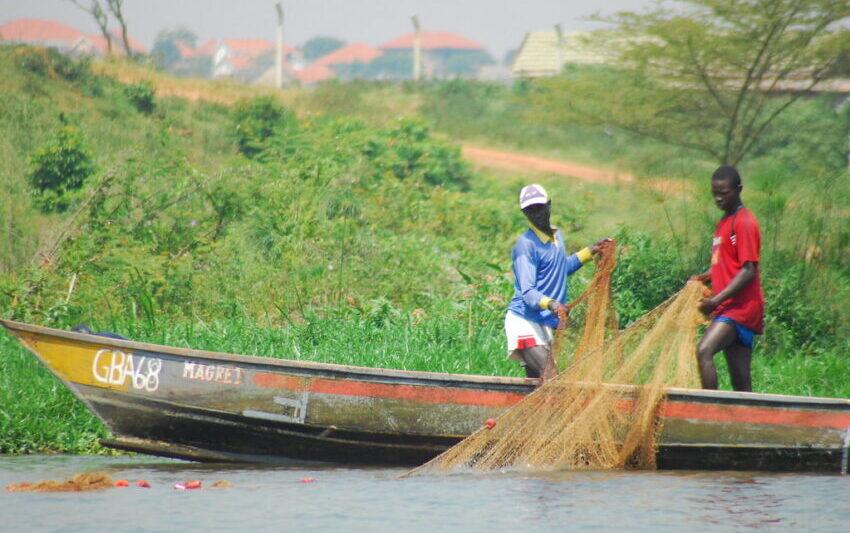
Lake Victoria Fisheries
Lake Victoria Fisheries
Lake Victoria Fisheries: A Comprehensive Overview
Introduction
Lake Victoria, the largest tropical lake in the world and the second-largest freshwater lake by surface area, plays a crucial role in the livelihoods of millions of people in East Africa. Spanning across three countries—Tanzania, Uganda, and Kenya—this lake is not only a vital source of water but also sustains one of the most productive freshwater fisheries globally. The Lake Victoria fisheries industry supports millions of people through direct employment, food security, and economic activities. However, the lake’s fisheries face numerous challenges, including overfishing, invasive species, and environmental degradation.
In this article, we will explore the Lake Victoria fisheries in detail, covering its history, the species involved, the socio-economic impact, and the challenges it faces. We will also delve into the conservation efforts being undertaken to preserve this vital resource for future generations.
The History of Lake Victoria Fisheries
The history of Lake Victoria fisheries is deeply intertwined with the communities that have lived around the lake for centuries. Fishing has been a traditional activity for the people of the region, providing food and income for generations. However, the introduction of non-native species, particularly the Nile perch (Lates niloticus), in the 1950s dramatically changed the lake’s ecosystem and the dynamics of the fisheries.
The Introduction of Nile Perch
The introduction of the Nile perch was intended to boost fish production and provide a new commercial species for export. While it succeeded in creating a lucrative fishing industry, it also led to the decline of native fish species, particularly the haplochromine cichlids, which once dominated the lake. The Nile perch is a voracious predator, and its introduction resulted in a significant reduction in biodiversity.
The Rise of Commercial Fishing
With the growth of the Nile perch population, commercial fishing on Lake Victoria expanded rapidly. The fish became a valuable export commodity, particularly to European markets, leading to the establishment of fish processing plants around the lake. This boom in commercial fishing brought economic benefits to the region, but it also led to overfishing and unsustainable fishing practices.
Key Fish Species in Lake Victoria
The Lake Victoria fisheries are home to a variety of fish species, some of which are native to the lake, while others have been introduced. The most important species in terms of commercial value and ecological impact include:
- Nile Perch (Lates niloticus): The dominant species in the lake’s commercial fisheries, the Nile perch is a large predatory fish that has had a significant impact on the lake’s ecosystem.
- Nile Tilapia (Oreochromis niloticus): Another important species, the Nile tilapia is widely farmed and fished for both local consumption and export.
- Haplochromine Cichlids: Once the most abundant group of fish in Lake Victoria, these small, colorful fish have been severely impacted by the introduction of the Nile perch.
- Dagaa (Rastrineobola argentea): Also known as the Lake Victoria sardine, dagaa is a small, schooling fish that is an important source of protein for local communities.
The Socio-Economic Impact of Lake Victoria Fisheries
The Lake Victoria fisheries are a vital source of income and food for millions of people in East Africa. The industry supports a wide range of economic activities, from fishing and fish processing to transportation and trade. Some of the key socio-economic impacts include:
Employment
The fisheries sector provides direct employment to hundreds of thousands of people, including fishermen, fish processors, and traders. In addition, many more are employed in related industries, such as boat building, fish transport, and the production of fishing gear.
Food Security
Fish from Lake Victoria is a crucial source of protein for the people living around the lake. In many communities, fish is the primary source of animal protein, and the availability of affordable fish is essential for maintaining food security.
Export Revenue
The export of Nile perch and other fish species from Lake Victoria generates significant revenue for the economies of Tanzania, Uganda, and Kenya. The fish is primarily exported to Europe, where it is highly valued for its quality and taste.
Challenges Facing Lake Victoria Fisheries
Despite its importance, the Lake Victoria fisheries face numerous challenges that threaten the sustainability of the industry and the livelihoods of the people who depend on it. Some of the key challenges include:
Overfishing
Overfishing is one of the most pressing issues facing the Lake Victoria fisheries. The high demand for Nile perch and other fish species has led to unsustainable fishing practices, including the use of illegal fishing gear and the harvesting of juvenile fish. This has resulted in declining fish stocks and reduced catches for fishermen.
Invasive Species
In addition to the Nile perch, other invasive species, such as the water hyacinth (Eichhornia crassipes), have had a negative impact on Lake Victoria’s ecosystem. The water hyacinth forms dense mats on the surface of the water, blocking sunlight and depleting oxygen levels, which can harm fish populations.
Pollution
Pollution from agricultural runoff, industrial waste, and untreated sewage is another major threat to the health of Lake Victoria and its fisheries. The lake’s water quality has deteriorated over the years, leading to the growth of harmful algal blooms and the depletion of oxygen in some areas.
Climate Change
Climate change is also affecting the Lake Victoria fisheries. Changes in rainfall patterns, rising temperatures, and increased evaporation rates are altering the lake’s water levels and impacting fish habitats.
Conservation and Management Efforts
To address the challenges facing the Lake Victoria fisheries, various conservation and management efforts are being implemented by governments, non-governmental organizations, and local communities. Some of the key initiatives include:
Fisheries Management Plans
The governments of Tanzania, Uganda, and Kenya have developed fisheries management plans aimed at promoting sustainable fishing practices and protecting fish stocks. These plans include measures such as regulating fishing gear, enforcing fishing quotas, and establishing closed seasons to allow fish populations to recover.
Community-Based Fisheries Management
In many areas around Lake Victoria, local communities are taking an active role in managing their fisheries. Community-based fisheries management (CBFM) involves empowering local fishermen and other stakeholders to participate in decision-making processes and take responsibility for the sustainable use of the lake’s resources.
Invasive Species Control
Efforts are also being made to control the spread of invasive species, such as the water hyacinth. Mechanical removal, biological control, and the use of herbicides are some of the methods being used to manage the growth of this invasive plant.
Pollution Control
Reducing pollution in Lake Victoria is a priority for governments and environmental organizations. Initiatives to improve wastewater treatment, reduce agricultural runoff, and promote sustainable land-use practices are being implemented to protect the lake’s water quality.
The Future of Lake Victoria Fisheries
The future of the Lake Victoria fisheries depends on the successful implementation of sustainable management practices and the continued efforts to address the challenges facing the lake. With proper management, the fisheries can continue to provide food, income, and employment for millions of people while preserving the lake’s unique biodiversity.
Innovations in Aquaculture
One potential solution to the pressures on Lake Victoria’s wild fish stocks is the development of aquaculture. Fish farming, particularly of species such as Nile tilapia, can help meet the growing demand for fish while reducing the pressure on wild populations.
Strengthening Regional Cooperation
Given that Lake Victoria is shared by three countries, regional cooperation is essential for the effective management of the lake’s fisheries. Strengthening cooperation between Tanzania, Uganda, and Kenya through organizations such as the Lake Victoria Fisheries Organization (LVFO) will be crucial for ensuring the long-term sustainability of the lake’s resources.
Conclusion
The Lake Victoria fisheries are a vital resource for the people of East Africa, providing food, employment, and economic opportunities. However, the industry faces significant challenges, including overfishing, invasive species, pollution, and climate change. By implementing sustainable management practices and addressing these challenges, it is possible to preserve the lake’s fisheries for future generations.
FAQ
1. What are the main fish species in Lake Victoria?
The main fish species in Lake Victoria include the Nile perch, Nile tilapia, haplochromine cichlids, and dagaa.
2. How does overfishing affect Lake Victoria?
Overfishing in Lake Victoria leads to the depletion of fish stocks, particularly of commercially valuable species like the Nile perch. This reduces the availability of fish for both local consumption and export.
3. What is being done to control invasive species in Lake Victoria?
Efforts to control invasive species in Lake Victoria include mechanical removal, biological control, and the use of herbicides to manage the growth of the water hyacinth.
4. How does pollution impact Lake Victoria’s fisheries?
Pollution from agricultural runoff, industrial waste, and untreated sewage degrades the water quality of Lake Victoria, leading to the growth of harmful algal blooms and the depletion of oxygen, which can harm fish populations.
5. What role does aquaculture play in the future of Lake Victoria fisheries?
Aquaculture, or fish farming, offers a potential solution to the pressures on Lake Victoria’s wild fish stocks. By farming species such as Nile tilapia, aquaculture can help meet the growing demand for fish while reducing the pressure on wild populations.