
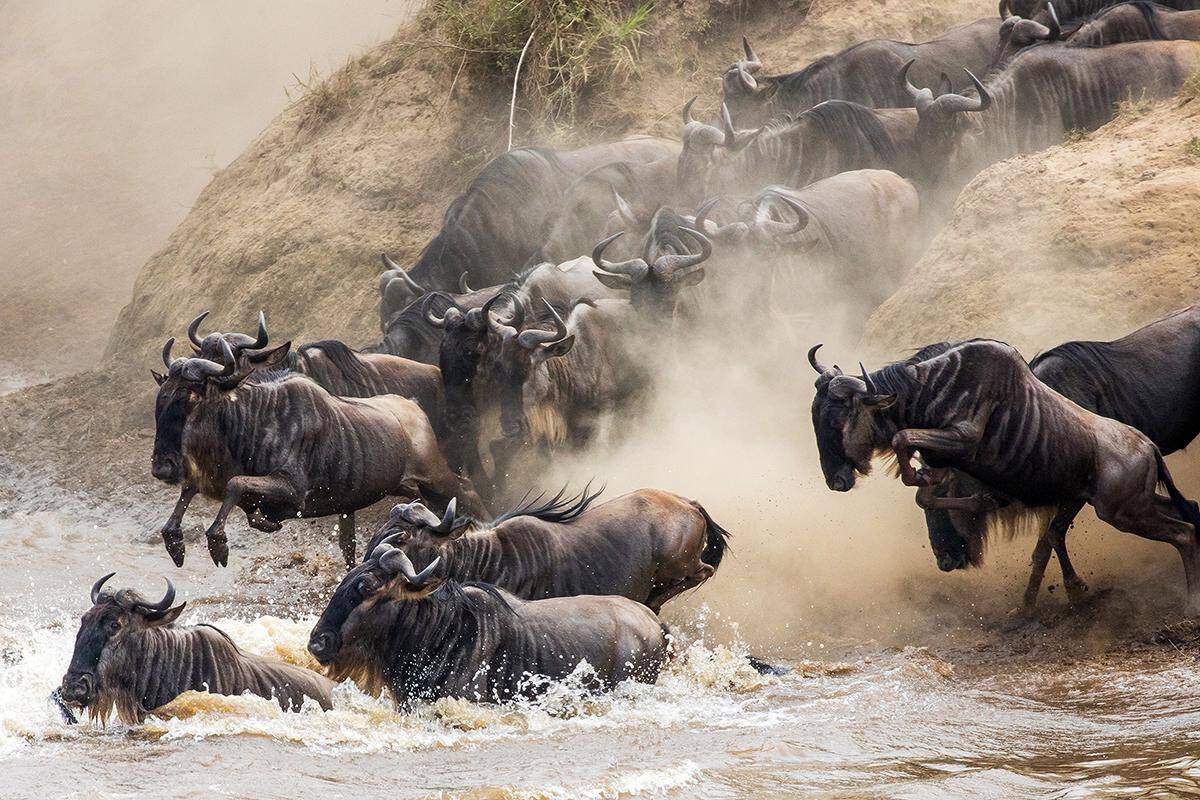
Wildebeest migration guide
Wildebeest migration guide
The Ultimate Guide to the Wildebeest Migration: Nature’s Greatest Spectacle
The wildebeest migration is one of the most awe-inspiring natural phenomena on Earth. Every year, millions of wildebeest, accompanied by zebras and gazelles, embark on a perilous journey across the plains of East Africa. This cyclical migration, driven by the search for fresh grazing lands and water, is a testament to the resilience and survival instincts of these animals.
In this comprehensive guide, we’ll delve into the details of the Great Migration, exploring the best times to witness it, the routes taken by the animals, and the dangers they face along the way. Whether you’re planning a safari or simply fascinated by wildlife, this guide will provide you with everything you need to know about the wildebeest migration.
What is the Wildebeest Migration?
The wildebeest migration is an annual event where over 1.5 million wildebeest, along with hundreds of thousands of zebras and gazelles, travel across the Serengeti-Mara ecosystem in East Africa. This migration is driven by the animals’ need to find fresh grazing lands and water, as the seasons change and resources become scarce.
The migration follows a circular route that spans Tanzania’s Serengeti National Park and Kenya’s Maasai Mara National Reserve, covering a distance of approximately 1,800 miles. The journey is fraught with danger, as the animals must cross rivers teeming with crocodiles, evade predators like lions and hyenas, and navigate harsh terrain.
The Migration Cycle
The wildebeest migration is a continuous cycle, with no definitive start or end. However, it can be broken down into several key stages:
- Calving Season (January to March): The migration begins in the southern Serengeti, where the wildebeest give birth to their young. This is a time of plenty, as the rains have brought fresh grass to the plains. However, it is also a time of danger, as predators like lions and hyenas are drawn to the vulnerable newborns.
- The Great Trek (April to June): As the dry season approaches, the wildebeest begin their journey northward in search of greener pastures. This is the start of the long trek, with the animals moving in vast herds across the Serengeti.
- River Crossings (July to September): One of the most dramatic moments of the migration is the crossing of the Grumeti and Mara Rivers. These rivers are filled with hungry crocodiles, and many wildebeest do not survive the crossing. However, those that do make it to the other side are rewarded with lush grazing lands in the Maasai Mara.
- Return to the Serengeti (October to December): As the rains return to the Serengeti, the wildebeest begin their journey back south. By December, they have returned to the southern Serengeti, where the cycle begins anew.
Best Time to Witness the Wildebeest Migration
The wildebeest migration is a year-round event, but certain times of the year offer better opportunities to witness specific aspects of the migration. Here’s a breakdown of the best times to visit:
- January to March: This is the calving season in the southern Serengeti. If you want to see newborn wildebeest and predator action, this is the best time to visit.
- April to June: During this period, the herds are on the move, making their way north. This is a great time to witness the vast herds moving across the plains.
- July to September: The river crossings are the highlight of the migration, and this is the best time to witness the dramatic crossings of the Grumeti and Mara Rivers.
- October to December: The herds are returning to the Serengeti, and while the action may not be as intense as during the river crossings, this is still a great time to see the migration in action.
Where to See the Wildebeest Migration
The wildebeest migration takes place across two main regions: Tanzania’s Serengeti National Park and Kenya’s Maasai Mara National Reserve. Both offer excellent opportunities to witness the migration, but each has its own unique advantages.
Serengeti National Park (Tanzania)
The Serengeti is the starting point of the migration and covers a vast area of nearly 15,000 square kilometers. It is home to a wide variety of wildlife, including lions, cheetahs, elephants, and, of course, wildebeest.
- Best Time to Visit: January to March (calving season) and June to July (early river crossings)
- Highlights: Calving season, predator interactions, and the Grumeti River crossing
Maasai Mara National Reserve (Kenya)
The Maasai Mara is the northernmost point of the migration and is famous for the dramatic Mara River crossing. The reserve is smaller than the Serengeti but offers excellent wildlife viewing opportunities.
- Best Time to Visit: July to September (Mara River crossing)
- Highlights: Mara River crossing, predator interactions, and large herds of wildebeest
Dangers Faced by the Wildebeest
The wildebeest migration is not without its dangers. Along the way, the animals face numerous threats, including:
- Predators: Lions, hyenas, and cheetahs are constantly on the lookout for weak or vulnerable animals. The calving season is particularly dangerous, as newborn wildebeest are easy targets for predators.
- Crocodiles: The river crossings are perhaps the most perilous part of the migration. The Grumeti and Mara Rivers are home to large populations of crocodiles, which lie in wait for the wildebeest to cross.
- Exhaustion and Starvation: The migration is a long and grueling journey, and not all animals make it to the end. Some succumb to exhaustion or starvation along the way.
How to Plan Your Wildebeest Migration Safari
Planning a wildebeest migration safari requires careful consideration of timing, location, and logistics. Here are some tips to help you plan your trip:
1. Choose the Right Time of Year
As mentioned earlier, the migration is a year-round event, but certain times of the year offer better opportunities to witness specific aspects of the migration. Decide what part of the migration you want to see (calving season, river crossings, etc.) and plan your trip accordingly.
2. Select the Right Location
Both the Serengeti and the Maasai Mara offer excellent opportunities to witness the migration, but each has its own advantages. The Serengeti is larger and offers more variety in terms of wildlife, while the Maasai Mara is known for its dramatic river crossings.
3. Book Early
The wildebeest migration is one of the most popular wildlife events in the world, and accommodations in the Serengeti and Maasai Mara can fill up quickly, especially during peak migration times. Be sure to book your safari well in advance to secure your spot.
4. Consider a Guided Safari
While it is possible to witness the migration on your own, a guided safari can enhance your experience. Expert guides know the best spots to see the migration and can provide valuable insights into the behavior of the animals.
5. Pack the Essentials
When going on a wildebeest migration safari, be sure to pack the following essentials:
- Binoculars: To get a closer look at the animals
- Camera: To capture the incredible sights
- Sunscreen and Hat: To protect yourself from the sun
- Comfortable Clothing: Lightweight, breathable clothing is ideal for the hot African climate
Frequently Asked Questions (FAQ)
1. What is the best time to see the wildebeest migration?
The best time to see the migration depends on what part of the migration you want to witness. For the calving season, visit between January and March. For the river crossings, visit between July and September.
2. Where does the wildebeest migration take place?
The migration takes place across the Serengeti National Park in Tanzania and the Maasai Mara National Reserve in Kenya.
3. How long does the wildebeest migration last?
The migration is a year-round event, with different stages occurring at different times of the year. The entire cycle covers a distance of approximately 1,800 miles.
4. What are the main dangers faced by the wildebeest during the migration?
The main dangers include predators like lions and hyenas, crocodiles during the river crossings, and exhaustion or starvation during the long journey.
5. Can I witness the migration on my own, or should I book a guided safari?
While it is possible to witness the migration on your own, a guided safari is recommended for the best experience. Guides know the best spots to see the migration and can provide valuable insights into the animals’ behavior.
Conclusion
The wildebeest migration is one of nature’s most incredible spectacles, showcasing the resilience and survival instincts of these animals. Whether you’re planning a safari or simply fascinated by wildlife, witnessing the migration is an unforgettable experience. By understanding the migration cycle, knowing the best times and places to visit, and being aware of the dangers the animals face, you can fully appreciate the grandeur of this natural phenomenon.