
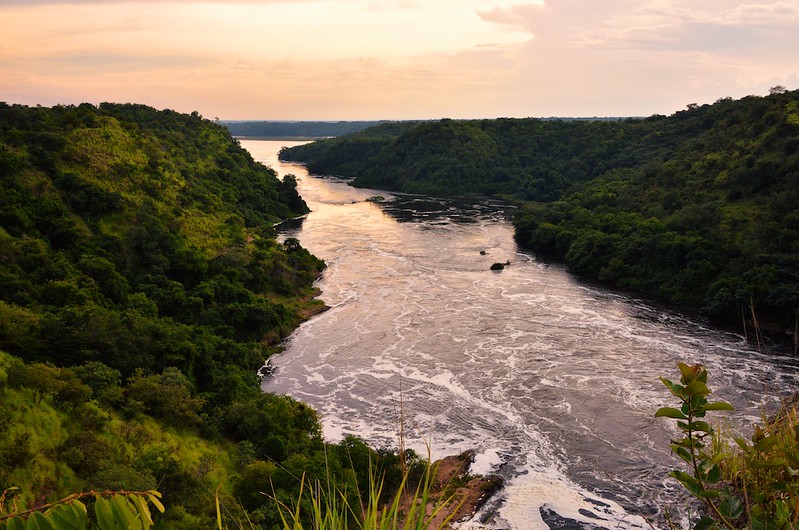
Nile Basin
Nile Basin
The Nile Basin: A Comprehensive Exploration of Its Geography, History, and Importance
Introduction
The Nile Basin is one of the most significant geographical regions in the world, not only due to its historical importance but also because of its contemporary relevance in terms of water resources, agriculture, and geopolitics. The basin encompasses the drainage area of the Nile River, the longest river in the world, which flows through eleven countries in northeastern Africa. This article will delve into the geography, history, and modern-day significance of the Nile Basin, exploring its impact on the civilizations that have flourished along its banks and the challenges it faces today.
Geography of the Nile Basin
The Nile Basin covers an area of approximately 3.4 million square kilometers, making it one of the largest river basins in the world. It spans across eleven countries: Egypt, Sudan, South Sudan, Ethiopia, Uganda, Kenya, Tanzania, Rwanda, Burundi, the Democratic Republic of the Congo, and Eritrea. The basin is divided into two main tributaries: the White Nile and the Blue Nile.
The White Nile
The White Nile originates from Lake Victoria, the largest lake in Africa, which is shared by Uganda, Kenya, and Tanzania. From there, it flows northward through Uganda and South Sudan before merging with the Blue Nile in Sudan. The White Nile is known for its steady flow, as it is fed by the equatorial lakes and wetlands, which provide a consistent source of water throughout the year.
The Blue Nile
The Blue Nile, on the other hand, originates from Lake Tana in the Ethiopian Highlands. It is responsible for the majority of the Nile’s water and sediment load, especially during the rainy season when it swells with runoff from the Ethiopian highlands. The Blue Nile flows into Sudan, where it meets the White Nile at Khartoum, the capital of Sudan.
The Nile River’s Journey
After the confluence of the White and Blue Nile, the river continues its journey northward through Sudan and Egypt, eventually emptying into the Mediterranean Sea. The Nile’s annual flooding, which has been regulated by the construction of the Aswan High Dam, has historically been crucial for agriculture in Egypt and Sudan, providing fertile silt and water for irrigation.
Historical Significance of the Nile Basin
The Nile Basin has been the cradle of some of the world’s earliest and most influential civilizations. The ancient Egyptians, in particular, relied on the Nile for sustenance, transportation, and trade. The river’s predictable flooding cycles allowed for the development of a sophisticated agricultural system, which in turn supported the growth of cities, trade networks, and monumental architecture, such as the pyramids.
Ancient Egypt and the Nile
In ancient Egypt, the Nile was considered the lifeblood of the civilization. The river’s annual inundation deposited nutrient-rich silt on the surrounding floodplains, making the land incredibly fertile. This allowed the Egyptians to grow surplus crops, which supported a large population and enabled the construction of monumental structures like the Great Pyramids of Giza and the Sphinx.
The Nile also served as a major transportation route, facilitating trade and communication between different regions of Egypt and beyond. The river connected Egypt to the rest of Africa, the Mediterranean, and the Near East, making it a key player in the ancient world economy.
The Role of the Nile in Other Civilizations
While Egypt is the most famous civilization to have thrived along the Nile, other cultures have also relied on the river. The Kingdom of Kush, located in what is now Sudan, was heavily influenced by Egyptian culture and economy. The Nile provided the Kushites with the resources they needed to build a powerful kingdom that rivaled Egypt at times.
Further south, the Great Lakes region of Africa, including modern-day Uganda, Rwanda, and Burundi, has also been shaped by the presence of the Nile. The river and its tributaries have supported agriculture and trade in these regions for centuries.
Modern-Day Importance of the Nile Basin
Today, the Nile Basin remains a vital resource for the countries it flows through. The river provides water for drinking, agriculture, and industry, and its hydroelectric potential is being increasingly tapped to meet the energy needs of the region.
Water Resources and Agriculture
The Nile is the primary source of water for millions of people in northeastern Africa, particularly in Egypt and Sudan. In Egypt, where rainfall is scarce, the Nile provides nearly all of the country’s water for drinking and irrigation. The fertile land along the riverbanks supports the cultivation of crops such as wheat, cotton, and sugarcane, which are essential to the country’s economy.
In Sudan, the Nile is also crucial for agriculture, particularly in the northern part of the country, where the river’s waters are used to irrigate crops such as sorghum, millet, and vegetables. The construction of dams, such as the Merowe Dam in Sudan, has helped to regulate the flow of the river and provide water for irrigation and hydroelectric power.
Hydroelectric Power
The Nile Basin has significant potential for hydroelectric power generation, particularly in Ethiopia, where the Blue Nile originates. The construction of the Grand Ethiopian Renaissance Dam (GERD) on the Blue Nile has been a major development in recent years. Once completed, the dam is expected to be the largest hydroelectric power plant in Africa, providing electricity to millions of people in Ethiopia and neighboring countries.
However, the GERD has also been a source of tension between Ethiopia, Egypt, and Sudan, as the downstream countries are concerned about the potential impact of the dam on their water supply. Negotiations between the three countries have been ongoing, but a final agreement has yet to be reached.
Geopolitical Tensions
The Nile Basin is a region of significant geopolitical importance, and disputes over water rights have the potential to escalate into conflicts. The construction of the GERD has brought these tensions to the forefront, as Egypt and Sudan rely heavily on the Nile for their water supply. Both countries have expressed concerns that the dam could reduce the flow of water downstream, particularly during periods of drought.
Ethiopia, on the other hand, argues that the dam is essential for its development and that it has the right to use the Nile’s resources to meet its energy needs. The situation is further complicated by the fact that the Nile Basin is shared by eleven countries, each with its own interests and priorities.
Environmental Challenges Facing the Nile Basin
In addition to geopolitical tensions, the Nile Basin faces a number of environmental challenges that threaten the sustainability of its water resources.
Climate Change
Climate change is expected to have a significant impact on the Nile Basin, particularly in terms of water availability. Rising temperatures and changing precipitation patterns could lead to more frequent and severe droughts, which would reduce the flow of the Nile and make it more difficult for countries in the region to meet their water needs.
Population Growth
The population of the Nile Basin is growing rapidly, particularly in countries such as Egypt, Sudan, and Ethiopia. This puts increasing pressure on the river’s water resources, as more people require water for drinking, agriculture, and industry. If current trends continue, the demand for water in the Nile Basin could exceed the supply in the coming decades.
Pollution and Environmental Degradation
Pollution is another major challenge facing the Nile Basin. Industrial waste, agricultural runoff, and untreated sewage are all contributing to the degradation of water quality in the river. In addition, deforestation and soil erosion in the upper reaches of the basin are leading to increased sedimentation in the river, which can reduce the capacity of dams and other infrastructure.
The Future of the Nile Basin
The future of the Nile Basin will depend on the ability of the countries in the region to cooperate and manage the river’s resources sustainably. This will require not only technical solutions, such as improved irrigation techniques and water conservation measures, but also political solutions, such as agreements on water sharing and conflict resolution.
Cooperation and Water Sharing Agreements
One of the most important steps toward ensuring the sustainable management of the Nile’s resources is the development of water-sharing agreements between the countries in the basin. The Nile Basin Initiative (NBI), established in 1999, is an intergovernmental partnership that aims to promote cooperation and sustainable development in the region. While the NBI has made progress in fostering dialogue and cooperation, more work is needed to reach a comprehensive agreement on water sharing.
Sustainable Development
Sustainable development is key to the future of the Nile Basin. This includes not only the development of infrastructure, such as dams and irrigation systems, but also the protection of the environment and the promotion of social and economic development in the region. By investing in sustainable agriculture, renewable energy, and water conservation, the countries of the Nile Basin can ensure that the river continues to provide for future generations.
Conclusion
The Nile Basin is a region of immense historical, geographical, and geopolitical importance. From the ancient civilizations that flourished along its banks to the modern-day challenges of water management and environmental sustainability, the Nile has always been a vital resource for the people who live in its basin. As the region faces increasing pressure from population growth, climate change, and geopolitical tensions, cooperation and sustainable development will be essential to ensuring the future of the Nile and the millions of people who depend on it.
FAQ
1. What countries are part of the Nile Basin?
The Nile Basin includes Egypt, Sudan, South Sudan, Ethiopia, Uganda, Kenya, Tanzania, Rwanda, Burundi, the Democratic Republic of the Congo, and Eritrea.
2. Why is the Nile important to Egypt?
The Nile provides nearly all of Egypt’s water for drinking, agriculture, and industry. It has been the lifeblood of the country for thousands of years, supporting its population and economy.
3. What is the Grand Ethiopian Renaissance Dam (GERD)?
The GERD is a massive hydroelectric dam being constructed on the Blue Nile in Ethiopia. Once completed, it will be the largest hydroelectric power plant in Africa, but it has also been a source of tension between Ethiopia, Egypt, and Sudan.
4. How does climate change affect the Nile Basin?
Climate change is expected to lead to more frequent and severe droughts in the Nile Basin, reducing the flow of the river and making it more difficult for countries in the region to meet their water needs.
5. What is the Nile Basin Initiative (NBI)?
The Nile Basin Initiative is an intergovernmental partnership established in 1999 to promote cooperation and sustainable development in the Nile Basin. It aims to foster dialogue and cooperation between the countries that share the river’s resources.