
Catholic Church in Uganda
Catholic Church in Uganda
The Catholic Church in Uganda: A Comprehensive Overview
Introduction
The Catholic Church has played a pivotal role in shaping the religious, social, and political landscape of Uganda. From its early missionary efforts to its current influence, the Church has been a cornerstone of Ugandan society. This article delves into the history, impact, and future of the Catholic Church in Uganda, offering a detailed analysis of its role in the country’s development.
History of the Catholic Church in Uganda
Early Missionary Efforts
The arrival of Catholicism in Uganda can be traced back to the late 19th century, when missionaries from the White Fathers (Missionaries of Africa) arrived in 1879. They were invited by the Kabaka (king) of Buganda, Mutesa I, who was interested in learning about Christianity. The missionaries faced stiff competition from other religious groups, including Anglican missionaries and Islamic teachers, as Uganda became a battleground for religious influence.
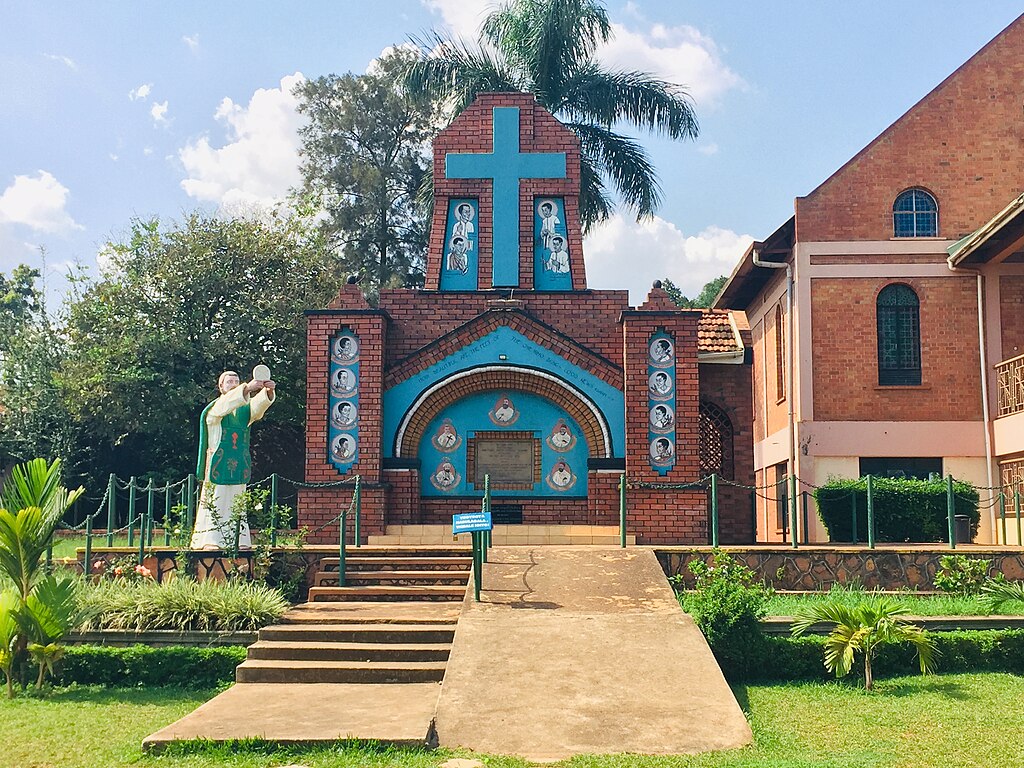
However, the Catholic Church quickly gained a foothold, particularly in the Buganda Kingdom. The early converts, known as Uganda Martyrs, played a significant role in the spread of Catholicism. These martyrs were executed by Kabaka Mwanga II between 1885 and 1887 for refusing to renounce their faith. Their sacrifice is commemorated annually on Martyrs’ Day (June 3rd), a national holiday in Uganda.
Growth and Expansion
Following the martyrdom of the early converts, the Catholic Church continued to grow in Uganda. By the early 20th century, the Church had established schools, hospitals, and other institutions that contributed to the country’s development. The Church’s emphasis on education led to the establishment of some of Uganda’s most prestigious schools, such as St. Mary’s College Kisubi and Namilyango College.
The Church also played a crucial role in the fight for Uganda’s independence. Many of the country’s early political leaders, including Ben Kiwanuka, Uganda’s first Prime Minister, were products of Catholic education. The Church’s influence extended beyond the spiritual realm, shaping the country’s political and social fabric.
The Role of the Catholic Church in Uganda Today
Religious Influence
Today, the Catholic Church remains one of the largest religious institutions in Uganda, with approximately 40% of the population identifying as Catholic. The Church’s influence is felt in nearly every aspect of Ugandan life, from education and healthcare to politics and social justice.
The Uganda Episcopal Conference, the governing body of the Catholic Church in Uganda, plays a significant role in shaping the Church’s policies and activities. The Conference works closely with the government and other religious organizations to address issues such as poverty, healthcare, and education.
Education and Healthcare
One of the Catholic Church’s most significant contributions to Uganda is in the field of education. The Church operates hundreds of schools across the country, from primary to tertiary institutions. These schools are known for their high academic standards and have produced some of Uganda’s most prominent leaders.
In addition to education, the Church is also a major provider of healthcare services in Uganda. Catholic hospitals and clinics are spread across the country, offering affordable and accessible healthcare to millions of Ugandans. The Church’s healthcare institutions are particularly important in rural areas, where government services are often lacking.
Social Justice and Human Rights
The Catholic Church in Uganda has long been a champion of social justice and human rights. The Church has been vocal in its opposition to corruption, human rights abuses, and social inequality. In recent years, the Church has played a key role in advocating for peace and reconciliation, particularly in conflict-affected regions such as Northern Uganda.
The Church’s commitment to social justice is also evident in its efforts to combat poverty and promote economic development. Through its various charitable organizations, such as Caritas Uganda, the Church provides support to vulnerable communities, including refugees, orphans, and people living with HIV/AIDS.
Challenges Facing the Catholic Church in Uganda
Secularism and Religious Competition
Despite its significant influence, the Catholic Church in Uganda faces several challenges. One of the most pressing is the rise of secularism and religious competition. In recent years, there has been a growing trend of Ugandans, particularly young people, turning away from traditional religious institutions in favor of more secular or non-traditional beliefs.
In addition to secularism, the Catholic Church also faces competition from other religious groups, particularly Pentecostal churches. These churches have grown rapidly in Uganda, attracting large numbers of followers with their charismatic worship styles and promises of prosperity.
Political Tensions
The Catholic Church in Uganda has also had to navigate complex political dynamics. While the Church has historically had a close relationship with the government, there have been tensions, particularly when the Church has spoken out against corruption or human rights abuses. In some cases, Church leaders have been targeted for their outspoken criticism of the government.
Internal Challenges
Internally, the Catholic Church in Uganda faces challenges related to leadership and governance. Like many religious institutions, the Church has had to deal with issues such as clerical misconduct and financial mismanagement. These challenges have, at times, undermined the Church’s credibility and ability to effectively carry out its mission.
The Future of the Catholic Church in Uganda
Youth Engagement
One of the key challenges for the Catholic Church in Uganda moving forward is how to engage with the country’s youth. Uganda has one of the youngest populations in the world, with over 75% of its population under the age of 30. The Church will need to find ways to remain relevant to this demographic if it is to continue to grow and thrive.
Embracing Technology
Another area where the Church will need to adapt is in its use of technology. As more Ugandans gain access to the internet and mobile phones, the Church will need to find ways to leverage these tools to reach new audiences. This could include using social media to engage with young people, as well as developing online platforms for religious education and outreach.
Strengthening Institutions
Finally, the Catholic Church in Uganda will need to continue to strengthen its institutions, particularly in the areas of education and healthcare. As the country continues to develop, there will be increasing demand for high-quality services in these areas. The Church will need to ensure that its institutions are well-equipped to meet these demands.
Conclusion
The Catholic Church in Uganda has a rich history and continues to play a vital role in the country’s development. From its early missionary efforts to its current influence in education, healthcare, and social justice, the Church has been a cornerstone of Ugandan society. However, the Church also faces significant challenges, including secularism, religious competition, and political tensions. As Uganda continues to evolve, the Catholic Church will need to adapt and find new ways to remain relevant and impactful.
Frequently Asked Questions (FAQ)
1. What is the history of the Catholic Church in Uganda?
The Catholic Church was introduced to Uganda by missionaries from the White Fathers in 1879. The early converts, known as the Uganda Martyrs, played a significant role in the spread of Catholicism. The Church has since grown to become one of the largest religious institutions in the country.
2. What role does the Catholic Church play in Uganda today?
The Catholic Church plays a significant role in Uganda’s education, healthcare, and social justice sectors. The Church operates numerous schools and hospitals and is a vocal advocate for human rights and social justice.
3. What challenges does the Catholic Church in Uganda face?
The Catholic Church in Uganda faces several challenges, including secularism, religious competition from Pentecostal churches, political tensions, and internal issues such as leadership and governance.
4. How does the Catholic Church in Uganda contribute to education?
The Catholic Church operates hundreds of schools across Uganda, from primary to tertiary institutions. These schools are known for their high academic standards and have produced many of Uganda’s most prominent leaders.
5. What is the future of the Catholic Church in Uganda?
The future of the Catholic Church in Uganda will depend on its ability to engage with the country’s youth, embrace technology, and strengthen its institutions in education and healthcare.