
Religious Holidays in Uganda
Religious Holidays in Uganda
Religious Holidays in Uganda: A Comprehensive Guide
Uganda, a country rich in cultural diversity and religious heritage, celebrates a variety of religious holidays that reflect its multi-faith society. With a population that includes Christians, Muslims, and followers of traditional African religions, the country observes both Christian and Islamic holidays, alongside national celebrations. In this article, we will explore the most significant religious holidays in Uganda, their cultural importance, and how they are celebrated.
Christian Holidays in Uganda
Christianity is the dominant religion in Uganda, with about 85% of the population identifying as Christians. The major Christian denominations include Roman Catholicism, Anglicanism, and Pentecostalism. As a result, Christian holidays are widely observed across the country.
1. Christmas Day (December 25)
Christmas is one of the most important religious holidays in Uganda. It commemorates the birth of Jesus Christ and is celebrated with church services, family gatherings, and feasts. In Uganda, Christmas is marked by:
- Midnight Masses in churches across the country.
- Family reunions where people travel to their ancestral homes.
- Special meals featuring traditional Ugandan dishes like matoke (steamed bananas) and roasted meats.
2. Easter
Easter, which celebrates the resurrection of Jesus Christ, is another major Christian holiday in Uganda. The Easter season includes several key days:
- Good Friday: A day of mourning and reflection on the crucifixion of Jesus.
- Easter Sunday: Celebrated with joy and feasting, marking the resurrection.
- Easter Monday: A public holiday in Uganda, often spent with family and friends.
3. Martyrs’ Day (June 3)
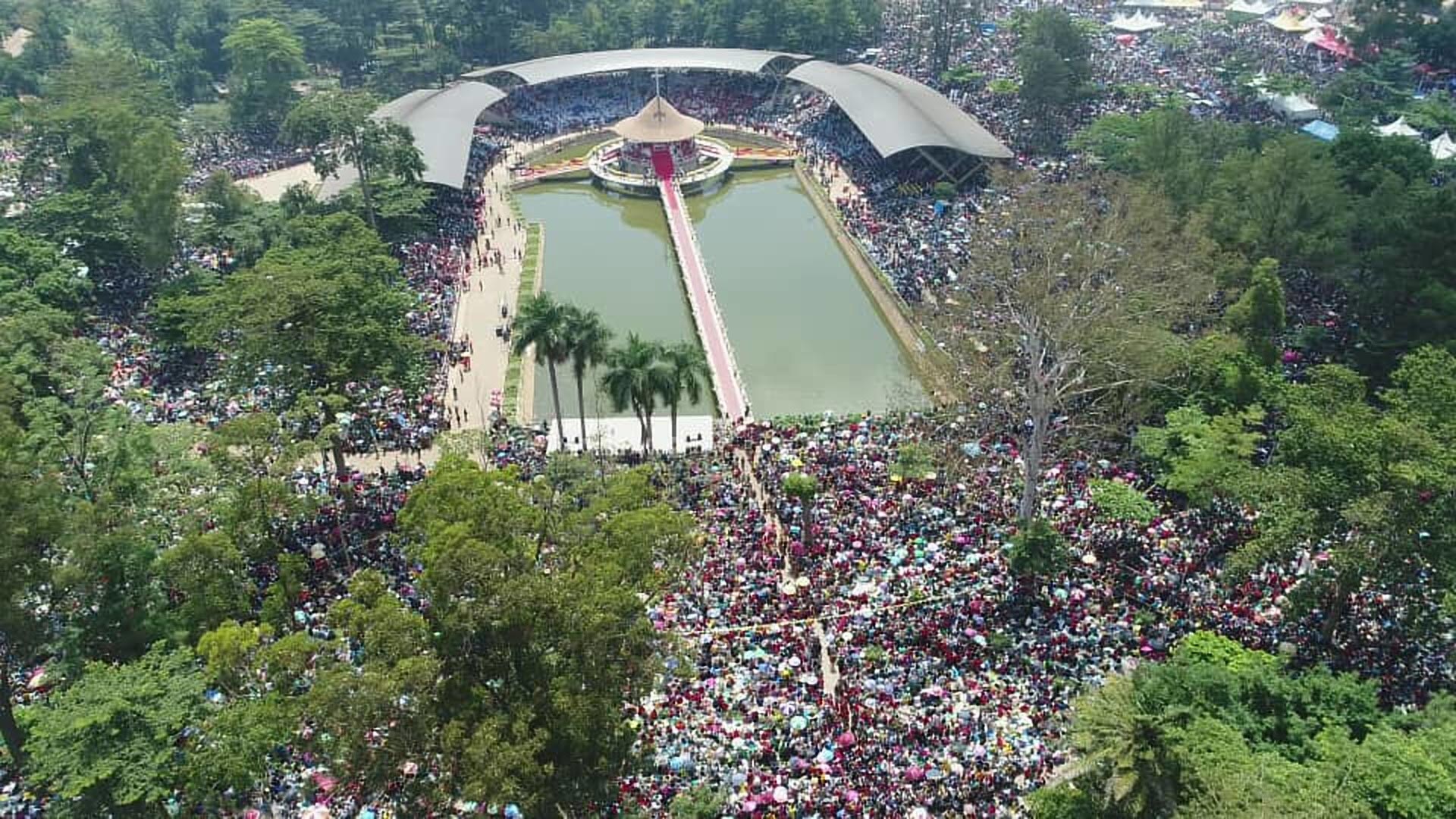
Martyrs’ Day is a unique Christian holiday in Uganda, commemorating the 45 Ugandan martyrs who were killed between 1885 and 1887 for their refusal to renounce Christianity. The day is marked by:
- Pilgrimages to the Uganda Martyrs’ Shrine in Namugongo.
- Special church services and prayers.
Martyrs’ Day is a significant event in Uganda’s religious calendar, drawing thousands of pilgrims from across the country and beyond.
Islamic Holidays in Uganda
Islam is the second-largest religion in Uganda, with about 14% of the population identifying as Muslim. The Islamic community in Uganda observes several important religious holidays, which are based on the Islamic lunar calendar.
1. Eid al-Fitr
Eid al-Fitr marks the end of Ramadan, the Islamic holy month of fasting. In Uganda, Eid al-Fitr is a public holiday and is celebrated with:
- Special prayers at mosques and open spaces.
- Feasts where families and friends gather to break the fast.
- Charitable giving, known as Zakat al-Fitr, to help the less fortunate.
2. Eid al-Adha
Eid al-Adha, also known as the “Festival of Sacrifice,” commemorates the willingness of Ibrahim (Abraham) to sacrifice his son in obedience to God. In Uganda, this holiday is marked by:
- Animal sacrifices, typically of goats, sheep, or cows, with the meat shared among family, friends, and the needy.
- Prayers and sermons at mosques.
- Family gatherings and feasts.
Public and National Holidays
In addition to religious holidays, Uganda observes several public and national holidays that have cultural and historical significance. Some of these holidays may overlap with religious celebrations, while others are secular in nature.
1. Independence Day (October 9)
Uganda’s Independence Day is a national holiday that celebrates the country’s independence from British colonial rule in 1962. While not a religious holiday, it is a day of national pride and unity, often marked by:
- Parades and official ceremonies.
- Cultural performances and traditional dances.
- Speeches by political leaders.
2. New Year’s Day (January 1)
New Year’s Day is a public holiday in Uganda, celebrated with:
- Church services for Christians.
- Family gatherings and social events.
- Fireworks in major cities like Kampala.
Traditional and Cultural Celebrations
While Uganda is predominantly Christian and Muslim, the country is also home to a rich tapestry of traditional African religions and cultural practices. Some communities continue to observe traditional festivals and ceremonies, which often coincide with religious holidays.
1. Kabaka’s Birthday (April 13)
The Kabaka is the king of the Buganda Kingdom, one of the largest and most influential traditional kingdoms in Uganda. The Kabaka’s birthday is a significant cultural event, celebrated with:
- Traditional dances and music performances.
- Public gatherings and speeches by the Kabaka.
- Cultural rituals that honor the kingdom’s heritage.
2. Imbalu Circumcision Ceremony
The Imbalu ceremony is a traditional rite of passage for young men in the Bagisu community of eastern Uganda. While not a religious holiday, it is a deeply spiritual and cultural event, marked by:
- Public circumcision ceremonies.
- Dances and songs that celebrate the transition to manhood.
- Feasts and community gatherings.
The Role of Religion in Ugandan Society
Religion plays a central role in the daily lives of Ugandans, influencing everything from politics to social customs. Both Christianity and Islam have shaped Uganda’s cultural landscape, and religious holidays provide an opportunity for communities to come together in celebration and reflection.
- Christianity: The majority of Ugandans are Christians, and the church is a powerful institution in the country. Christian holidays like Christmas and Easter are widely celebrated, and the church plays a significant role in education and healthcare.
- Islam: While a minority religion, Islam has a long history in Uganda, particularly in the eastern and northern regions. Islamic holidays like Eid al-Fitr and Eid al-Adha are important events for the Muslim community.
- Traditional Religions: Although less prominent today, traditional African religions continue to influence Ugandan culture, particularly in rural areas. Ceremonies like the Imbalu circumcision ritual are examples of how traditional beliefs are integrated into modern Ugandan society.
FAQ: Religious Holidays in Uganda
1. What are the most important Christian holidays in Uganda?
The most important Christian holidays in Uganda are Christmas, Easter, and Martyrs’ Day. These holidays are widely celebrated with church services, family gatherings, and public events.
2. How do Ugandans celebrate Eid al-Fitr?
Ugandans celebrate Eid al-Fitr with special prayers at mosques, feasts with family and friends, and charitable giving to help the less fortunate. It is a public holiday in Uganda.
3. What is the significance of Martyrs’ Day in Uganda?
Martyrs’ Day commemorates the 45 Ugandan martyrs who were killed for their Christian faith in the late 19th century. The day is marked by pilgrimages to the Uganda Martyrs’ Shrine and special church services.
4. Are there any traditional religious holidays in Uganda?
While most Ugandans follow Christianity or Islam, some communities still observe traditional ceremonies, such as the Imbalu circumcision ceremony in the Bagisu community. These events are deeply rooted in cultural and spiritual practices.
5. What role does religion play in Ugandan society?
Religion plays a central role in Ugandan society, influencing politics, education, and social customs. Both Christianity and Islam are widely practiced, and religious holidays provide an opportunity for communities to come together in celebration and reflection.
In conclusion, religious holidays in Uganda are a reflection of the country’s rich cultural and religious diversity. Whether it’s the Christian celebrations of Christmas and Easter, the Islamic observances of Eid al-Fitr and Eid al-Adha, or the traditional ceremonies of the Bagisu community, these holidays bring people together in a spirit of unity and shared faith.