
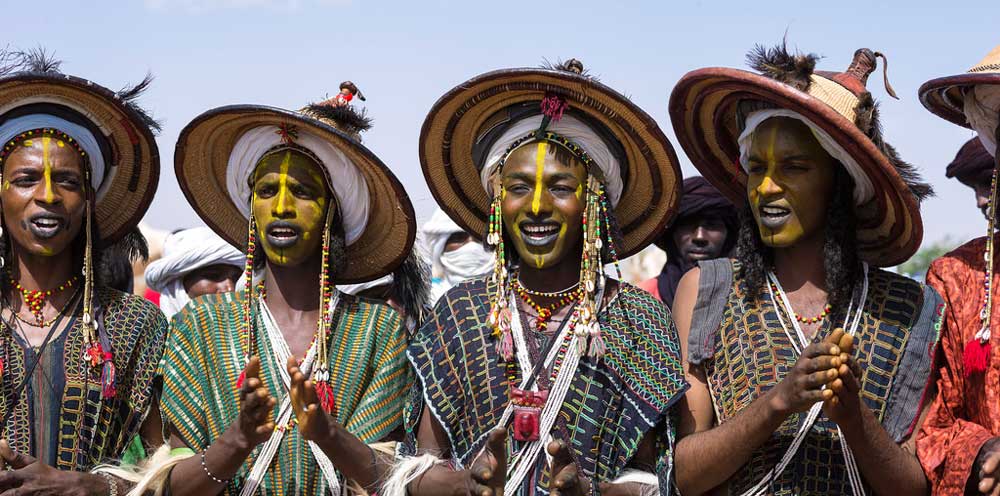
African Religious Holidays
African Religious Holidays
African Religious Holidays: A Deep Dive into Cultural and Spiritual Celebrations
Africa, a continent rich in cultural diversity, is home to a vast array of religious traditions and holidays. These celebrations are deeply rooted in the spiritual practices of its people, reflecting the continent’s complex history, its diverse ethnic groups, and the various religions that have shaped its identity. From indigenous beliefs to Christianity and Islam, African religious holidays offer a unique glimpse into the spiritual lives of millions of people. In this article, we will explore some of the most significant religious holidays celebrated across Africa, their historical significance, and how they contribute to the continent’s cultural fabric.
The Diversity of African Religions
Africa is a continent of immense religious diversity. The major religions practiced across the continent include:
- Indigenous African religions: These are the traditional belief systems that have been passed down through generations. They are often polytheistic and involve ancestor worship, nature spirits, and rituals that are closely tied to the land and community.
- Islam: Introduced to Africa in the 7th century, Islam is now the dominant religion in many North African and West African countries.
- Christianity: Brought to Africa by European missionaries and colonizers, Christianity has become the predominant religion in many parts of Sub-Saharan Africa.
- Other religions: There are also smaller communities of Jews, Hindus, and Buddhists in Africa, particularly in countries with significant immigrant populations.
Each of these religions has its own set of holidays and festivals, many of which are celebrated with great fervor and devotion.
Major African Religious Holidays
1. Eid al-Fitr (Islamic Holiday)
Eid al-Fitr is one of the most important holidays in the Islamic calendar. It marks the end of Ramadan, the holy month of fasting. Muslims across Africa, particularly in countries like Egypt, Nigeria, and Senegal, celebrate Eid with prayers, feasts, and acts of charity. The day begins with a special prayer at the mosque, followed by a festive meal shared with family and friends. In many African countries, it is also customary to give zakat al-fitr, a form of charity, to those in need.
2. Eid al-Adha (Islamic Holiday)
Eid al-Adha, also known as the “Festival of Sacrifice,” commemorates the willingness of the Prophet Ibrahim (Abraham) to sacrifice his son as an act of obedience to God. In Africa, this holiday is celebrated with the ritual sacrifice of an animal, usually a sheep or goat, which is then shared with family, friends, and the less fortunate. The holiday is particularly significant in countries like Morocco, Sudan, and Somalia, where large gatherings for prayer and feasting are common.
3. Christmas (Christian Holiday)
Christmas is celebrated by millions of Christians across Africa, particularly in countries like Ethiopia, Kenya, and South Africa. In Ethiopia, Christmas, known as Genna, is celebrated on January 7th according to the Julian calendar. The day is marked by church services, feasts, and traditional music and dance. In other parts of Africa, Christmas is a time for family gatherings, gift-giving, and attending church services. In South Africa, for example, Christmas is often celebrated with a braai (barbecue) in the warm summer weather.
4. Easter (Christian Holiday)
Easter is the most important holiday in the Christian calendar, celebrating the resurrection of Jesus Christ. In Africa, Easter is celebrated with great enthusiasm, particularly in countries with large Christian populations like Uganda, Nigeria, and Ghana. The holiday is marked by church services, processions, and feasts. In some countries, such as Ethiopia, the celebration of Easter, known as Fasika, involves a period of fasting followed by a large feast that includes traditional foods like doro wat (spicy chicken stew).
5. Kwanzaa (Pan-African Holiday)
Kwanzaa is a relatively modern holiday, created in 1966 by Dr. Maulana Karenga as a way to celebrate African heritage and culture. While it is primarily celebrated in the United States, Kwanzaa has also gained popularity in some African countries. The holiday lasts for seven days, from December 26th to January 1st, and each day is dedicated to one of the Nguzo Saba (Seven Principles), which include unity, self-determination, and collective work and responsibility. Kwanzaa is celebrated with music, dance, storytelling, and the lighting of the kinara (a candleholder with seven candles).
6. Oshun Festival (Indigenous African Religion)
The Oshun Festival is an important religious celebration in Nigeria, particularly among the Yoruba people. It is held annually in honor of Oshun, the goddess of fertility, love, and rivers in the Yoruba religion. The festival takes place in the town of Osogbo, where devotees gather at the sacred Osun-Osogbo Sacred Grove to offer prayers, sacrifices, and dances to the goddess. The festival is a vibrant display of traditional Yoruba culture and spirituality, and it attracts visitors from all over the world.
7. Mawlid al-Nabi (Islamic Holiday)
Mawlid al-Nabi is the celebration of the birth of the Prophet Muhammad. In Africa, this holiday is particularly significant in countries like Egypt, Sudan, and Tanzania, where large processions, prayers, and feasts are held in honor of the Prophet. The holiday is an opportunity for Muslims to reflect on the life and teachings of Muhammad and to express their love and devotion to him.
8. Timkat (Christian Holiday)
Timkat is the Ethiopian Orthodox celebration of Epiphany, commemorating the baptism of Jesus in the Jordan River. The holiday is celebrated on January 19th (or 20th in a leap year) with a series of religious ceremonies, including the blessing of water and processions carrying replicas of the Tabot (Ark of the Covenant). Timkat is a vibrant and colorful celebration, with participants dressed in traditional white garments and singing hymns as they follow the procession to the nearest body of water.
The Role of Religious Holidays in African Society
Religious holidays in Africa are not just spiritual events; they also play a crucial role in the social and cultural life of communities. These holidays provide an opportunity for people to come together, strengthen family bonds, and reinforce their sense of identity and belonging. In many African societies, religious holidays are also a time for acts of charity and giving back to the community, reflecting the values of compassion and generosity that are central to many African religions.
Social Significance
- Community bonding: Religious holidays often involve large gatherings of family, friends, and neighbors, fostering a sense of unity and belonging.
- Cultural preservation: Many religious holidays are tied to traditional customs and rituals, helping to preserve and pass down cultural heritage from one generation to the next.
- Charity and giving: Acts of charity, such as giving to the poor or sharing food with others, are a common feature of many African religious holidays.
Economic Impact
Religious holidays also have a significant economic impact in many African countries. Festivals and celebrations often boost local economies by attracting tourists, creating jobs, and generating income for local businesses. For example, the Oshun Festival in Nigeria draws thousands of visitors each year, providing a major economic boost to the town of Osogbo.
FAQ: African Religious Holidays
1. What is the most widely celebrated religious holiday in Africa?
The most widely celebrated religious holidays in Africa are Eid al-Fitr and Christmas, due to the large populations of Muslims and Christians on the continent. Both holidays are marked by prayers, feasts, and acts of charity.
2. How do indigenous African religions celebrate their holidays?
Indigenous African religions often celebrate their holidays with rituals that involve offerings to ancestors or deities, music, dance, and communal feasts. These celebrations are closely tied to the agricultural calendar and the natural environment.
3. What is the significance of Timkat in Ethiopia?
Timkat is the Ethiopian Orthodox celebration of Epiphany, commemorating the baptism of Jesus. It is one of the most important religious holidays in Ethiopia and is celebrated with elaborate processions and the blessing of water.
4. How is Kwanzaa connected to African culture?
Kwanzaa is a modern holiday that celebrates African heritage and culture. It was created in the United States but is based on African principles and traditions. The holiday emphasizes unity, self-determination, and community responsibility.
5. What role do religious holidays play in African society?
Religious holidays in Africa play a crucial role in fostering community bonds, preserving cultural traditions, and promoting acts of charity and generosity. They are also important economic events, attracting tourists and boosting local economies.
Conclusion
African religious holidays are a reflection of the continent’s rich spiritual and cultural diversity. Whether they are rooted in indigenous beliefs, Islam, or Christianity, these holidays provide a window into the values, traditions, and social structures that define African societies. By celebrating these holidays, Africans not only honor their religious beliefs but also strengthen their communities and preserve their cultural heritage.