
MGAHINGA NATIONAL PARK
MGAHINGA NATIONAL PARK
Mgahinga National Park: A Hidden Gem in Uganda’s Wilderness
Introduction to Mgahinga National Park
Nestled in the southwestern corner of Uganda, Mgahinga National Park is a breathtaking natural sanctuary that forms part of the larger Virunga Conservation Area. Covering just 33.7 square kilometers, it is Uganda’s smallest national park, but what it lacks in size, it more than makes up for in biodiversity, stunning landscapes, and cultural significance. This park is a haven for adventure seekers, nature lovers, and conservation enthusiasts alike.
In this article, we’ll explore the wonders of Mgahinga National Park, including its unique wildlife, thrilling activities, and its role in preserving endangered species. Whether you’re planning a visit or simply curious about Uganda’s natural treasures, this comprehensive guide will provide everything you need to know.
The Unique Location of Mgahinga National Park
Where Is Mgahinga National Park?
Mgahinga National Park is located in the Kisoro District, at the border where Uganda meets Rwanda and the Democratic Republic of Congo. It is part of the Virunga Mountain Range, which comprises eight volcanic peaks spread across the three countries. The park is dominated by three extinct volcanoes:
- Mount Muhabura (4,127 meters)
- Mount Gahinga (3,474 meters)
- Mount Sabyinyo (3,645 meters)
These majestic peaks form a dramatic backdrop to the park’s lush forests and open grasslands.
How to Get There
Visitors can access the park by road or air:
- By Road: From Kampala, Uganda’s capital, it’s an 8-10 hour drive to Kisoro. The scenic journey takes you through rolling hills, tea plantations, and rural villages.
- By Air: Domestic flights are available from Entebbe International Airport to Kisoro Airstrip, which is just a short drive from the park.
The Rich Biodiversity of Mgahinga National Park
Home to the Mountain Gorillas
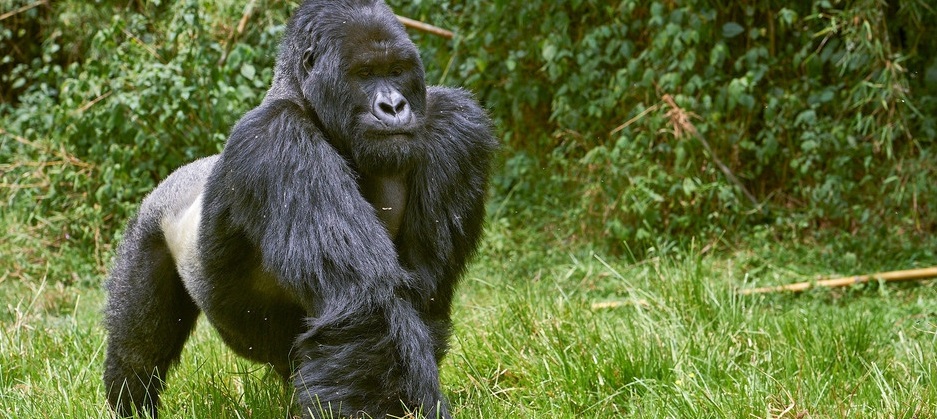
One of the park’s main attractions is its population of mountain gorillas, a critically endangered species. Mgahinga is part of the larger Virunga ecosystem, which is home to over half of the world’s remaining mountain gorillas. The Nyakagezi Gorilla Group is the only habituated family in the park, making it a prime destination for gorilla trekking.
Other Wildlife in the Park
While gorillas steal the spotlight, Mgahinga National Park is also home to a wide variety of other wildlife, including:
- Golden Monkeys: These rare primates are found only in the Virunga Mountains and are a highlight for visitors.
- Forest Elephants: Occasionally spotted in the dense vegetation.
- Buffaloes and Bushbucks: Common in the open grasslands.
- Birds: With over 180 bird species, including the Rwenzori turaco and the crowned hornbill, the park is a birdwatcher’s paradise.
Vegetation Zones
The park’s vegetation is equally diverse, ranging from bamboo forests to montane woodlands. The different zones include:
- Bamboo Forests: Preferred habitat for golden monkeys.
- Montane Forests: Home to a variety of bird species.
- Afro-Alpine Vegetation: Found at higher altitudes, characterized by giant lobelias and groundsels.
Activities to Enjoy in Mgahinga National Park
Gorilla Trekking
Gorilla trekking is the crown jewel of activities in Mgahinga National Park. This once-in-a-lifetime experience allows visitors to spend up to an hour observing the Nyakagezi Gorilla Group in their natural habitat. Treks can last anywhere from 2 to 6 hours, depending on the location of the gorillas.
Golden Monkey Tracking
Another unique activity is tracking the golden monkeys, an endangered species that is as elusive as it is beautiful. These playful primates are a delight to watch as they leap through the bamboo forests.
Volcano Climbing
For adventure enthusiasts, climbing one of the park’s three volcanoes is a must. Each peak offers a unique experience:
- Mount Sabyinyo: Known as the “Old Man’s Teeth,” this climb involves crossing the borders of Uganda, Rwanda, and the DRC.
- Mount Gahinga: A relatively easier climb, perfect for beginners.
- Mount Muhabura: The highest peak in the park, offering panoramic views of the Virunga Range.
Cultural Encounters
The Batwa Trail is a cultural experience that introduces visitors to the Batwa people, the indigenous inhabitants of the forest. Led by Batwa guides, the trail provides insights into their traditional way of life, including hunting, gathering, and spiritual practices.
Bird Watching
With its diverse habitats, Mgahinga National Park is a haven for birdwatchers. Some of the notable species include:
- Rwenzori turaco
- Handsome francolin
- Scarlet-tufted malachite sunbird
Conservation Efforts in Mgahinga National Park
Protecting Endangered Species
Mgahinga National Park plays a crucial role in the conservation of mountain gorillas and golden monkeys. Through collaboration with local communities and international organizations, the park has successfully reduced poaching and habitat destruction.
Community Involvement
The Uganda Wildlife Authority (UWA) works closely with local communities to promote sustainable tourism. Revenue from park fees is shared with the surrounding villages, providing incentives for conservation.
Best Time to Visit Mgahinga National Park
The park can be visited year-round, but the best time is during the dry seasons:
- June to August
- December to February
During these months, the trails are less muddy, making activities like gorilla trekking and volcano climbing more enjoyable.
Accommodation Options Near Mgahinga National Park
Visitors have a range of accommodation options, from luxury lodges to budget-friendly campsites:
- Mount Gahinga Lodge: A luxury eco-lodge with stunning views of the volcanoes.
- Kisoro Tourist Hotel: A mid-range option in Kisoro town.
- Amajambere Iwacu Community Camp: A budget-friendly choice that supports local communities.
FAQs About Mgahinga National Park
1. What is the entrance fee for Mgahinga National Park?
The entrance fee for international visitors is $40 per person per day. Gorilla trekking permits cost $800, while golden monkey tracking permits are $100.
2. How difficult is gorilla trekking in Mgahinga National Park?
Gorilla trekking can be physically demanding, as it involves hiking through dense forests and steep terrain. However, the experience is manageable for most people with moderate fitness levels.
3. Can I visit Mgahinga National Park without a guide?
No, all activities in the park, including gorilla trekking and volcano climbing, require a guide provided by the Uganda Wildlife Authority.
4. Are there any health requirements for visiting the park?
Yes, visitors are required to provide proof of yellow fever vaccination. It is also recommended to take anti-malarial medication and carry insect repellent.
5. What should I pack for a trip to Mgahinga National Park?
Essential items include:
- Sturdy hiking boots
- Rain jacket
- Long-sleeved clothing
- Sunscreen and hat
- Camera and binoculars
Conclusion
Mgahinga National Park is a true gem in Uganda’s crown of natural wonders. From its iconic mountain gorillas to its breathtaking volcanic landscapes, the park offers an unforgettable experience for every visitor. Whether you’re trekking through bamboo forests, scaling volcanic peaks, or immersing yourself in Batwa culture, Mgahinga promises adventure, discovery, and a deep connection to nature.