
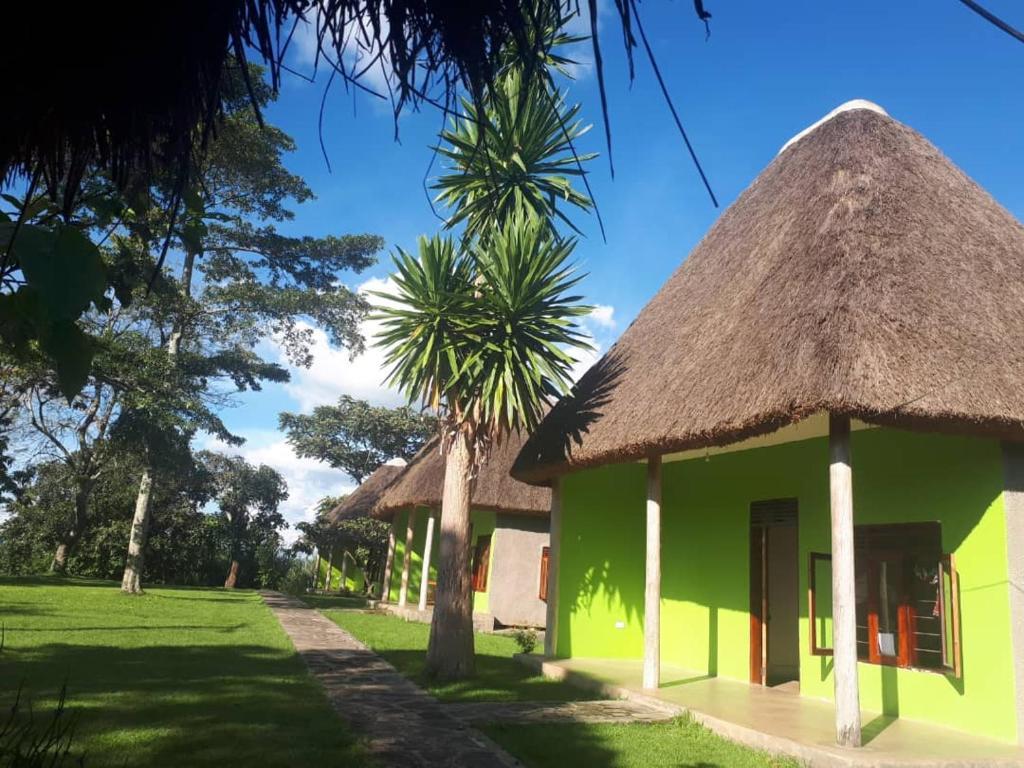
Lake Nkuruba Nature Reserve
Lake Nkuruba Nature Reserve
Lake Nkuruba Nature Reserve: A Pristine Haven of Biodiversity and Serenity
Introduction to Lake Nkuruba Nature Reserve
Nestled in the heart of Uganda, Lake Nkuruba Nature Reserve is a hidden gem that captivates visitors with its breathtaking beauty, rich biodiversity, and serene atmosphere. This natural sanctuary, located near the town of Fort Portal, offers an unparalleled experience for nature lovers, bird watchers, and eco-tourists alike. With its lush forests, crystal-clear crater lake, and vibrant wildlife, Lake Nkuruba is a testament to the unspoiled splendor of Uganda’s natural heritage.
In this comprehensive guide, we will explore the wonders of Lake Nkuruba Nature Reserve, delving into its history, unique features, and the myriad activities it offers. Whether you’re planning a visit or simply curious about this enchanting destination, this article will provide you with everything you need to know.
The History and Significance of Lake Nkuruba
Lake Nkuruba is one of the many crater lakes formed by volcanic activity in the region. Its origins date back thousands of years, and it has since evolved into a thriving ecosystem that supports a diverse array of flora and fauna. The Lake Nkuruba Nature Reserve was established to protect this delicate environment and promote sustainable tourism.
The reserve is managed by the local community, which plays a crucial role in its conservation efforts. By visiting Lake Nkuruba, travelers contribute directly to the livelihoods of the surrounding communities, fostering a sense of stewardship and responsibility for the environment.
Unique Features of Lake Nkuruba Nature Reserve
1. The Crater Lake
At the heart of the reserve lies Lake Nkuruba, a pristine crater lake surrounded by lush vegetation. The lake’s tranquil waters reflect the vibrant greenery of the surrounding forest, creating a picturesque scene that is perfect for photography and relaxation. Swimming is permitted in the lake, offering visitors a refreshing escape from the tropical heat.
2. Abundant Wildlife
Lake Nkuruba is a haven for wildlife enthusiasts. The reserve is home to a variety of primates, including:
- Black-and-white colobus monkeys
- Vervet monkeys
- Red-tailed monkeys
- L’Hoest’s monkeys
In addition to primates, the reserve boasts an impressive array of bird species, making it a prime destination for birdwatching. Some of the notable birds include:
- Great blue turacos
- African grey parrots
- Sunbirds
- Hornbills
3. Lush Forests
The dense forests surrounding Lake Nkuruba are teeming with life. These forests serve as a vital habitat for numerous plant and animal species, many of which are endemic to the region. The towering trees, vibrant flowers, and diverse fungi create a magical atmosphere that enchants every visitor.
Activities at Lake Nkuruba Nature Reserve
1. Nature Walks and Hiking
Explore the reserve’s well-maintained trails, which wind through the forest and offer stunning views of the lake and surrounding landscapes. Guided nature walks are available, providing insights into the local flora, fauna, and cultural heritage.
2. Birdwatching
With over 300 bird species recorded in the area, Lake Nkuruba is a birdwatcher’s paradise. Bring your binoculars and camera to capture the vibrant plumage and unique behaviors of the reserve’s avian residents.
3. Primate Watching
The reserve’s primates are a major attraction, and visitors often have the opportunity to observe them up close. Watch as they swing through the trees, forage for food, and interact with one another in their natural habitat.
4. Swimming and Picnicking
The calm waters of Lake Nkuruba are perfect for a refreshing swim. Afterward, enjoy a picnic on the lake’s shores, surrounded by the sights and sounds of nature.
5. Community Engagement
Engage with the local community by participating in cultural activities, such as traditional dances, crafts, and storytelling. These experiences provide a deeper understanding of the region’s rich cultural heritage.
Sustainable Tourism at Lake Nkuruba
Lake Nkuruba Nature Reserve is a shining example of sustainable tourism. The reserve’s management prioritizes conservation and community involvement, ensuring that tourism benefits both the environment and the local population. Here are some ways visitors can support these efforts:
- Choose eco-friendly accommodations: Stay at lodges or campsites that adhere to sustainable practices.
- Respect wildlife: Observe animals from a safe distance and avoid disturbing their natural behaviors.
- Minimize waste: Dispose of trash responsibly and avoid using single-use plastics.
- Support local businesses: Purchase souvenirs and services from local vendors to contribute to the community’s economy.
How to Get to Lake Nkuruba Nature Reserve
Lake Nkuruba is located approximately 25 kilometers from Fort Portal, a major town in western Uganda. The reserve is accessible by road, and visitors can hire a private vehicle or use public transportation to reach the site. The journey offers stunning views of the surrounding countryside, including rolling hills, tea plantations, and other crater lakes.
Best Time to Visit Lake Nkuruba
The best time to visit Lake Nkuruba is during the dry seasons, which typically occur from June to August and December to February. During these months, the weather is ideal for outdoor activities, and wildlife is more easily spotted. However, the reserve’s lush beauty can be enjoyed year-round, and each season offers its own unique charm.
Frequently Asked Questions (FAQ)
1. What makes Lake Nkuruba Nature Reserve unique?
Lake Nkuruba stands out for its unspoiled natural beauty, rich biodiversity, and community-driven conservation efforts. The combination of a pristine crater lake, diverse wildlife, and lush forests creates a truly unique destination.
2. Is Lake Nkuruba suitable for families with children?
Yes, Lake Nkuruba is a family-friendly destination. The reserve offers a safe and educational environment where children can learn about nature, wildlife, and conservation.
3. Are there accommodations near Lake Nkuruba?
Yes, there are several eco-friendly lodges and campsites near the reserve. These accommodations provide comfortable stays while adhering to sustainable practices.
4. Can I visit Lake Nkuruba independently, or do I need a guide?
Visitors can explore the reserve independently, but hiring a guide is recommended for a more enriching experience. Guides provide valuable insights into the area’s ecology, history, and culture.
5. How can I support conservation efforts at Lake Nkuruba?
You can support conservation efforts by practicing responsible tourism, donating to the reserve, and participating in community-led initiatives. Additionally, spreading awareness about the importance of preserving Lake Nkuruba’s natural beauty can make a significant impact.
Conclusion
Lake Nkuruba Nature Reserve is a true paradise for nature enthusiasts and eco-tourists. Its pristine landscapes, vibrant wildlife, and commitment to sustainability make it a must-visit destination in Uganda. By choosing to explore this remarkable reserve, visitors not only experience the wonders of nature but also contribute to the preservation of a vital ecosystem and the well-being of local communities.