
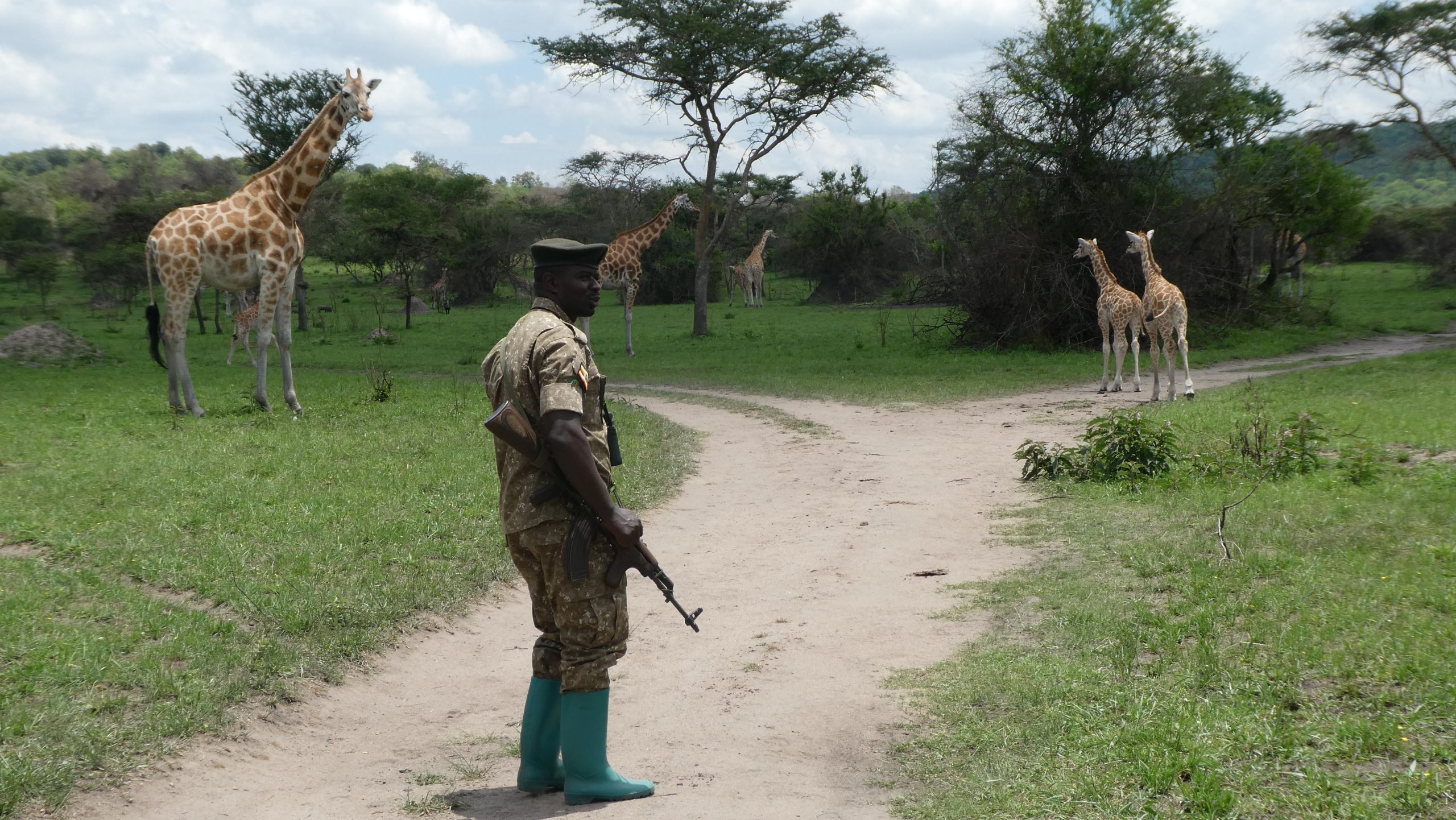
Hiking Safaris in Uganda
Hiking Safaris in Uganda
Hiking Safaris in Uganda: A Journey Through Nature’s Untamed Beauty
Uganda, often referred to as the “Pearl of Africa,” is a land of breathtaking landscapes, diverse wildlife, and rich cultural heritage. Among its many attractions, hiking safaris stand out as a unique way to explore the country’s natural wonders. From the misty peaks of the Rwenzori Mountains to the lush trails of Bwindi Impenetrable Forest, Uganda offers an unparalleled experience for adventurers and nature enthusiasts alike.
Why Choose Uganda for Hiking Safaris?
Uganda is a treasure trove of natural beauty, boasting a variety of ecosystems that provide the perfect backdrop for hiking safaris. Here are some compelling reasons to choose Uganda for your next hiking adventure:
- Diverse Landscapes: From towering mountains to rolling savannahs, Uganda’s varied terrain offers something for every type of hiker.
- Unique Wildlife: Uganda is home to rare species such as mountain gorillas, chimpanzees, and over 1,000 bird species, making your hiking experience even more enriching.
- Cultural Encounters: Hiking safaris often take you through local communities, offering a chance to interact with Uganda’s warm and hospitable people.
- Uncrowded Trails: Unlike more popular safari destinations, Uganda’s hiking trails are less crowded, allowing for a more intimate connection with nature.
Top Hiking Destinations in Uganda
1. Rwenzori Mountains National Park
Known as the “Mountains of the Moon,” the Rwenzori Mountains are a UNESCO World Heritage Site and a hiker’s paradise. The park offers various trails, ranging from short day hikes to challenging multi-day treks.
- Highlights: Glacial peaks, alpine meadows, and unique flora such as giant lobelias.
- Best Time to Visit: December to February and June to August.
- Difficulty Level: Moderate to challenging.
2. Bwindi Impenetrable National Park
Famous for its mountain gorillas, Bwindi also offers excellent hiking opportunities. The park’s dense forest is a UNESCO World Heritage Site and provides a magical setting for nature walks.
- Highlights: Gorilla trekking, bird watching, and scenic waterfalls.
- Best Time to Visit: June to September and December to February.
- Difficulty Level: Easy to moderate.
3. Mount Elgon National Park
Located on the border between Uganda and Kenya, Mount Elgon is an extinct volcano with the largest caldera in the world. The park offers a variety of trails that cater to different skill levels.
- Highlights: Sipi Falls, hot springs, and caves.
- Best Time to Visit: June to August and December to March.
- Difficulty Level: Easy to moderate.
4. Mgahinga Gorilla National Park
This park is part of the Virunga Mountains and offers a unique hiking experience. The most popular trail is the ascent to Mount Sabinyo, where you can stand in three countries simultaneously—Uganda, Rwanda, and the Democratic Republic of Congo.
- Highlights: Gorilla trekking, golden monkeys, and panoramic views.
- Best Time to Visit: June to September and December to February.
- Difficulty Level: Moderate to challenging.
5. Kibale Forest National Park
Known as the “Primate Capital of the World,” Kibale Forest is ideal for those interested in combining hiking with primate tracking. The park’s trails wind through lush forests and offer a chance to see chimpanzees in their natural habitat.
- Highlights: Chimpanzee tracking, bird watching, and cultural tours.
- Best Time to Visit: December to February and June to September.
- Difficulty Level: Easy to moderate.
Essential Tips for Hiking Safaris in Uganda
To make the most of your hiking safari in Uganda, consider the following tips:
- Hire a Local Guide: Local guides are knowledgeable about the terrain, wildlife, and cultural aspects of the area, ensuring a safer and more enriching experience.
- Pack Appropriately: Bring sturdy hiking boots, rain gear, and layers to adapt to changing weather conditions.
- Stay Hydrated: Carry enough water and snacks to keep your energy levels up during the hike.
- Respect Wildlife: Maintain a safe distance from animals and follow your guide’s instructions to ensure both your safety and the well-being of the wildlife.
- Support Local Communities: Purchase souvenirs and services from local vendors to contribute to the area’s economy.
The Unique Appeal of Gorilla Trekking
One of the most sought-after experiences in Uganda is gorilla trekking. This activity involves hiking through dense forests to observe mountain gorillas in their natural habitat. Gorilla trekking is available in Bwindi Impenetrable National Park and Mgahinga Gorilla National Park.
- Permits: A gorilla trekking permit is required and can be obtained through the Uganda Wildlife Authority.
- Preparation: The trek can be physically demanding, so it’s essential to be in good shape and wear appropriate gear.
- Ethical Considerations: Always follow guidelines to minimize your impact on the gorillas and their environment.
Cultural Experiences Along the Trails
Hiking safaris in Uganda often include opportunities to interact with local communities. These cultural experiences add a unique dimension to your adventure:
- Batwa Community Visits: Learn about the traditional way of life of the Batwa people, one of Uganda’s indigenous groups.
- Craft Markets: Purchase handmade crafts such as baskets, jewelry, and textiles as souvenirs.
- Traditional Performances: Enjoy music and dance performances that showcase Uganda’s rich cultural heritage.
Frequently Asked Questions (FAQ)
1. What is the best time for hiking safaris in Uganda?
The best time for hiking safaris in Uganda is during the dry seasons, which run from June to September and December to February. These months offer more stable weather conditions, making trails easier to navigate.
2. Do I need a permit for hiking safaris in Uganda?
Permits are required for specific activities such as gorilla trekking and chimpanzee tracking. General hiking in national parks usually requires an entrance fee.
3. What should I pack for a hiking safari in Uganda?
Essential items include sturdy hiking boots, rain gear, sunscreen, insect repellent, a first-aid kit, and a reusable water bottle. Layers are also recommended to adapt to varying weather conditions.
4. Are hiking safaris in Uganda suitable for beginners?
Yes, Uganda offers trails for all skill levels. Parks like Kibale Forest and Mount Elgon have easier trails suitable for beginners, while the Rwenzori Mountains cater to more experienced hikers.
5. How can I book a hiking safari in Uganda?
You can book a hiking safari through tour operators, travel agencies, or directly with the Uganda Wildlife Authority. It’s advisable to book in advance, especially for activities requiring permits.
Conclusion
Hiking safaris in Uganda offer an extraordinary opportunity to connect with nature, encounter unique wildlife, and immerse yourself in the country’s rich cultural tapestry. Whether you’re scaling the peaks of the Rwenzori Mountains or trekking through the dense forests of Bwindi, Uganda promises an adventure like no other. Start planning your hiking safari today and discover why Uganda truly is the “Pearl of Africa.”