
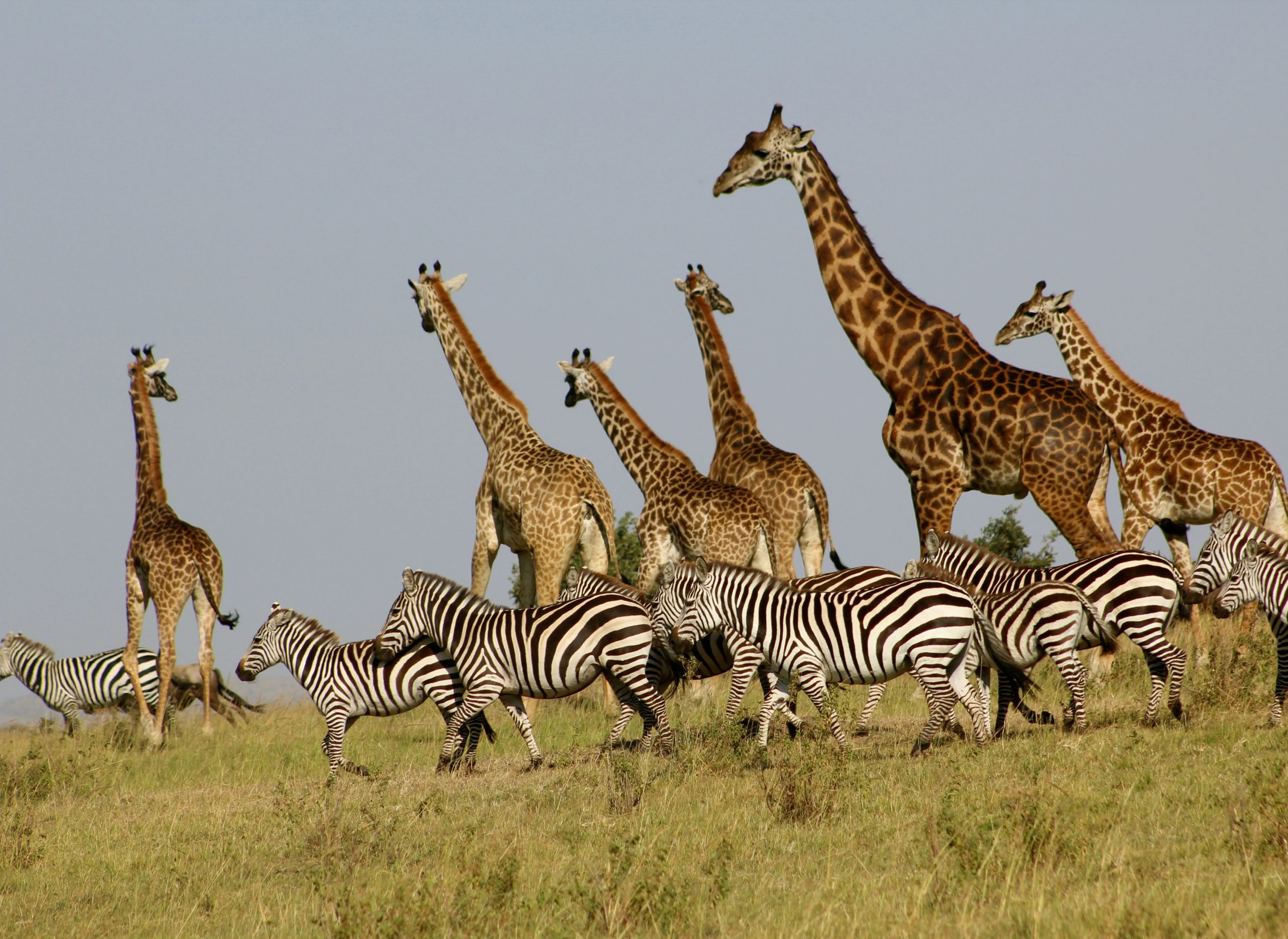
Masai Mara National Reserve
Masai Mara National Reserve
Masai Mara National Reserve: A Complete Guide to Kenya’s Wildlife Paradise
Introduction
The Masai Mara National Reserve is one of the most famous wildlife destinations in the world. Located in southwestern Kenya, this vast savannah is home to an incredible diversity of wildlife, including the Big Five and the spectacular Great Migration. Whether you’re an avid wildlife photographer, a safari enthusiast, or simply a nature lover, the Masai Mara offers an unforgettable experience.
In this comprehensive guide, we will explore everything you need to know about the Masai Mara National Reserve, from its history and geography to the best times to visit, safari options, and conservation efforts.
History and Geography of Masai Mara
Origins of the Masai Mara
The Masai Mara National Reserve was established in 1961 as a wildlife sanctuary, covering only 520 square kilometers. Over the years, it was expanded to its current size of approximately 1,510 square kilometers. The reserve is named after the Maasai people, the indigenous inhabitants of the region, and the word “Mara,” which means “spotted” in the Maasai language, referring to the scattered trees and bushes across the plains.
Location and Landscape
The Masai Mara is located in Narok County, bordering Tanzania’s Serengeti National Park. Together, they form the Serengeti-Mara ecosystem, one of the most important wildlife conservation areas in Africa. The landscape consists of:
- Open Grasslands – Ideal for spotting predators like lions and cheetahs.
- Acacia Woodlands – Home to giraffes, elephants, and various bird species.
- Riverine Forests – Found along the Mara and Talek Rivers, supporting hippos and crocodiles.
- Rolling Hills – Providing breathtaking panoramic views of the reserve.
Wildlife in Masai Mara
The Big Five
The Masai Mara is famous for its abundance of wildlife, including the Big Five:
- Lions – The reserve has one of the highest lion densities in the world.
- Leopards – Often seen resting on tree branches.
- Elephants – Large herds roam freely across the plains.
- Buffaloes – Frequently spotted near water sources.
- Rhinoceroses – Though rare, black rhinos can be found in certain areas.
The Great Migration
One of the most spectacular natural events in the world, the Great Migration, occurs annually between July and October. Over 1.5 million wildebeests, along with zebras and gazelles, migrate from the Serengeti to the Masai Mara in search of fresh grazing lands. The dramatic river crossings, where wildebeests face hungry crocodiles, are a highlight of this event.
Other Notable Wildlife
In addition to the Big Five, the Masai Mara is home to:
- Cheetahs – The fastest land animals, often seen hunting in open plains.
- Hyenas – Scavengers that play a crucial role in the ecosystem.
- Giraffes – Graceful creatures feeding on acacia trees.
- Hippos and Crocodiles – Found in the Mara and Talek Rivers.
- Over 450 Bird Species – Including ostriches, eagles, and secretary birds.
Best Time to Visit Masai Mara
Peak Season (July – October)
- Best time to witness the Great Migration.
- High chances of spotting predators in action.
- Pleasant weather with minimal rainfall.
Shoulder Season (November – February)
- Fewer tourists, offering a more private safari experience.
- Excellent birdwatching opportunities as migratory birds arrive.
- Green landscapes after the short rains.
Low Season (March – June)
- Lush greenery and fewer crowds.
- Lower safari costs and accommodation discounts.
- Some roads may be challenging due to heavy rains.
Safari Options in Masai Mara
Game Drives
The most popular way to explore the Masai Mara is through game drives, which can be:
- Morning Game Drives – Best for spotting predators.
- Afternoon Game Drives – Ideal for observing herbivores.
- Full-Day Game Drives – Maximizing wildlife encounters.
Hot Air Balloon Safari
For a bird’s-eye view of the breathtaking landscapes and wildlife, a hot air balloon safari is a must. This experience typically includes:
- A pre-dawn launch for the best sunrise views.
- Aerial views of the Great Migration (seasonal).
- A champagne breakfast upon landing.
Walking Safaris
Guided walking safaris offer a unique opportunity to explore the Masai Mara on foot, learning about:
- Animal tracks and behaviors.
- Indigenous plants and their uses.
- The Maasai people’s traditional way of life.
Cultural Tours with the Maasai People
A visit to a Maasai village allows travelers to:
- Learn about Maasai traditions and customs.
- Participate in traditional dances.
- Purchase handcrafted souvenirs like beaded jewelry.
Accommodation in Masai Mara
Luxury Lodges
For a high-end safari experience, top lodges include:
- Angama Mara – Offering stunning views over the Mara.
- Mara Plains Camp – An exclusive tented camp with luxury amenities.
- Sanctuary Olonana – A riverside retreat with eco-friendly accommodations.
Mid-Range Camps
For a comfortable yet affordable stay:
- Mara Serena Safari Lodge – Located on a hill with panoramic views.
- Basecamp Masai Mara – A great eco-friendly option.
- Ashnil Mara Camp – Situated near the Mara River.
Budget Campsites
For budget travelers and backpackers:
- Miti Mingi Eco Camp – Affordable and close to the reserve.
- Enchoro Wildlife Camp – Ideal for adventure seekers.
- Mara Explorers Camp – A great mix of comfort and affordability.
Conservation Efforts in Masai Mara
Protecting Wildlife and Ecosystems
Several organizations work to conserve wildlife and promote sustainable tourism in the Masai Mara, including:
- Mara Conservancy – Managing the Mara Triangle.
- Big Life Foundation – Anti-poaching initiatives.
- Maasai Mara Wildlife Conservancies Association – Supporting community-led conservation.
Community Involvement
The Maasai people play a crucial role in conservation by:
- Establishing wildlife conservancies on their land.
- Promoting eco-tourism initiatives.
- Participating in anti-poaching efforts.
Frequently Asked Questions (FAQ)
1. How do I get to Masai Mara?
You can reach the Masai Mara by:
- Air: Flights from Nairobi’s Wilson Airport to airstrips in the reserve.
- Road: A 5-6 hour drive from Nairobi.
2. Is Masai Mara safe for tourists?
Yes, the Masai Mara is generally safe. However, always follow the guidance of your safari guide and avoid wandering alone at night.
3. What should I pack for a safari?
- Lightweight clothing in neutral colors.
- Binoculars for wildlife spotting.
- Camera with extra batteries.
- Sunscreen and insect repellent.
4. Can I see the Great Migration in Masai Mara?
Yes! The Great Migration typically arrives in the Masai Mara between July and October.
5. Do I need a visa to visit Kenya?
Most travelers require a Kenyan visa, which can be obtained online via the eVisa portal.
Conclusion
The Masai Mara National Reserve is a bucket-list destination for any wildlife enthusiast. Whether you want to witness the Great Migration, experience a hot air balloon safari, or immerse yourself in Maasai culture, this incredible reserve offers something for everyone.
Plan your trip today and embark on the adventure of a lifetime in Kenya’s most iconic safari destination!