
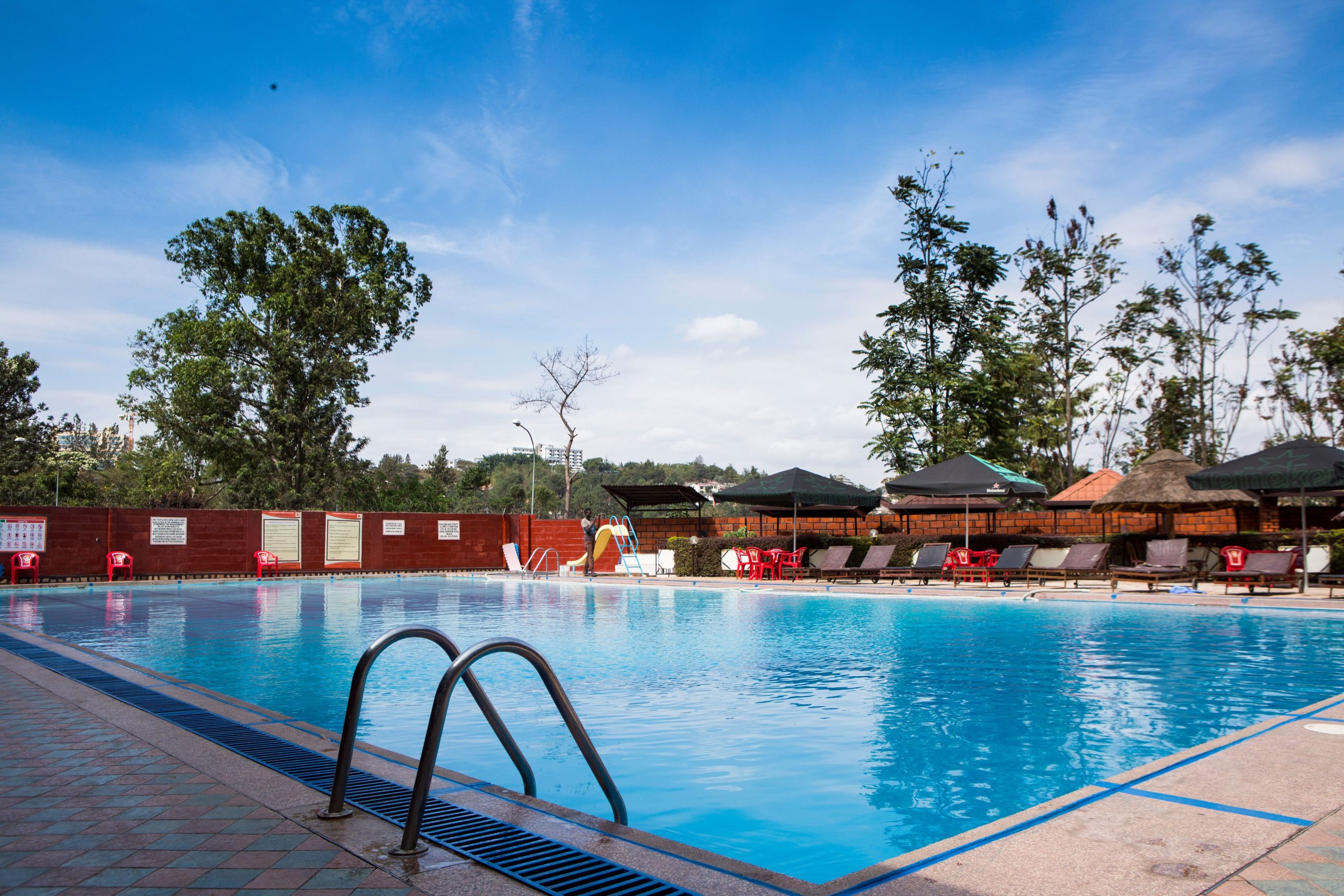
Rwanda Swimming
Rwanda Swimming: A Deep Dive into the Emerging Aquatic Sport in the Land of a Thousand Hills
Introduction
Nestled in the heart of East Africa, Rwanda is widely celebrated for its breathtaking landscapes, rich biodiversity, and remarkable post-genocide transformation. Yet, beyond its rolling hills and gorilla trekking adventures, a quiet revolution is taking place in the world of sports—particularly in the realm of swimming. Once overshadowed by more popular disciplines like football and athletics, swimming in Rwanda is now making waves, both literally and figuratively.
This comprehensive article explores the rise of Rwanda swimming, its challenges, key players, infrastructure development, and its future on the continental and global stage. Whether you’re a sports enthusiast, an aspiring swimmer, or simply curious about Rwanda’s sporting evolution, this deep dive will leave you informed and inspired.
The Evolution of Swimming in Rwanda
Historical Background
Swimming has not always been a mainstream sport in Rwanda. Traditionally, the country’s landlocked geography and limited access to large water bodies meant that aquatic sports were not prioritized. However, with the establishment of the Rwanda Swimming Federation (RSF) in 2008, the tides began to turn.
The RSF, recognized by the international governing body World Aquatics, has been instrumental in promoting swimming as a competitive and recreational activity. Through partnerships with schools, NGOs, and international bodies, the federation has laid the groundwork for a sustainable swimming culture.
Key Milestones
- 2008: Formation of the Rwanda Swimming Federation (RSF)
- 2013: Rwanda’s first participation in the FINA World Championships
- 2016: Launch of national swimming championships
- 2020: Introduction of swimming in school sports curricula
- 2023: Rwanda hosts regional swimming competitions for the first time
The Role of the Rwanda Swimming Federation
The RSF plays a pivotal role in the development of swimming across the nation. Its core objectives include:
- Organizing national and regional competitions
- Training and certifying coaches and referees
- Promoting water safety and swimming education
- Supporting elite swimmers for international competition
The federation has also collaborated with international organizations to improve infrastructure and provide technical training. Through these efforts, Rwanda has begun to produce swimmers who are competitive on the African stage.
Infrastructure and Facilities
Existing Swimming Pools
While Rwanda may not boast Olympic-sized aquatic centers in every district, significant strides have been made in developing swimming infrastructure. Key facilities include:
- Amahoro National Stadium Pool – Located in Kigali, this is the primary training ground for national athletes.
- Green Hills Academy Pool – A private facility used for school competitions and training.
- La Palisse Hotel Nyamata Pool – Often used for regional meets and recreational swimming.
Planned Developments
The Rwandan government, in collaboration with private investors, has announced plans to build a state-of-the-art aquatic center in Kigali. This facility will include:
- Olympic-size pool
- Diving platforms
- Seating for 1,000 spectators
- Training and rehabilitation areas
These developments are expected to boost Rwanda’s capacity to host international events and train elite athletes.
Prominent Rwandan Swimmers
Eloi Maniraguha
One of the most recognized names in Rwandan swimming, Eloi Maniraguha represented Rwanda at the 2016 Rio Olympics. His participation marked a significant milestone and inspired a new generation of swimmers.
Alphonsine Agahozo
Agahozo has competed in multiple international events, including the African Games. Her consistent performance and dedication have made her a role model for young female swimmers in Rwanda.
Rising Stars
- Eric Niyomugabo – Known for his freestyle prowess
- Diane Uwimana – A promising backstroke swimmer
- Jean Claude Nshimiyimana – Specializes in butterfly events
Swimming and Youth Development
School Programs
The integration of swimming into school sports programs has been a game-changer. Schools like Green Hills Academy and Kigali International Community School have incorporated swimming into their physical education curricula, offering:
- Basic swimming lessons
- Competitive swim teams
- Inter-school swimming competitions
NGO Involvement
Organizations such as Right To Play and Save the Children have supported swimming initiatives aimed at:
- Teaching water safety
- Promoting gender equality in sports
- Providing access to swimming for underprivileged youth
Challenges Facing Swimming in Rwanda
Despite the progress, several challenges hinder the full potential of swimming in Rwanda:
Limited Access to Facilities
Many regions lack proper swimming pools, making training difficult for aspiring athletes outside Kigali.
Funding Constraints
Swimming is still a developing sport in Rwanda, and funding from both government and private sectors remains limited.
Cultural Barriers
In some communities, swimming is not traditionally encouraged, especially for girls. Overcoming these cultural norms is essential for inclusive growth.
The Future of Swimming in Rwanda
Vision 2030
The RSF has outlined an ambitious plan to elevate Rwanda’s swimming standards by 2030. Key goals include:
- Establishing swimming academies in all provinces
- Qualifying more swimmers for the Olympics
- Hosting the African Swimming Championships
- Increasing female participation by 50%
International Partnerships
Rwanda is actively seeking partnerships with countries like South Africa, Egypt, and France to gain technical expertise and access to advanced training programs.
How Rwanda Can Become a Swimming Powerhouse
To achieve global competitiveness, Rwanda must focus on:
- Talent Identification: Scouting young swimmers through school and community programs
- Coach Development: Training local coaches with international certifications
- High-Performance Centers: Establishing elite training hubs with modern amenities
- Public Awareness: Promoting swimming through media and community outreach
Benefits of Swimming for Rwandan Society
Swimming offers numerous benefits beyond competition:
Health and Fitness
- Improves cardiovascular health
- Enhances muscle strength and flexibility
- Aids in weight management
Life Skills
- Builds discipline and perseverance
- Enhances time management
- Fosters teamwork and leadership
Water Safety
Teaching swimming reduces the risk of drowning, especially in flood-prone areas or near lakes like Lake Kivu.
Rwanda’s Place in African and Global Swimming
While it is still in its infancy in the swimming world, its strategic investments and grassroots programs position it well for future success. With continued support and innovation, Rwanda could soon become a formidable force in African swimming competitions and beyond.
Frequently Asked Questions (FAQ)
1. What is the main governing body for swimming in Rwanda?
The Rwanda Swimming Federation (RSF) is the official body responsible for regulating and promoting swimming in Rwanda.
2. Are there swimming lessons available for children in Rwanda?
Yes, many schools and private institutions offer swimming lessons for children, including Green Hills Academy and Kigali International Community School.
3. Has Rwanda ever participated in the Olympics for swimming?
Yes, Rwanda was represented by Eloi Maniraguha in the 2016 Rio Olympics.
4. What are the challenges facing swimming development in Rwanda?
Key challenges include limited infrastructure, funding shortages, and cultural barriers, particularly regarding female participation.
5. How can I support swimming development in Rwanda?
You can support by donating to swimming programs, volunteering, or partnering with organizations like Right To Play and the RSF.
Conclusion
Swimming in Rwanda is more than just a sport—it’s a symbol of resilience, growth, and ambition. From humble beginnings to Olympic representation, the journey of Rwandan swimming is a testament to what vision and dedication can achieve. As the country continues to invest in infrastructure, talent, and inclusivity, the waves of change are sure to ripple far beyond its borders.
Whether you’re a local enthusiast or an international observer, now is the perfect time to dive into the story of Rwanda swimming—a story that’s still being written, one stroke at a time.