
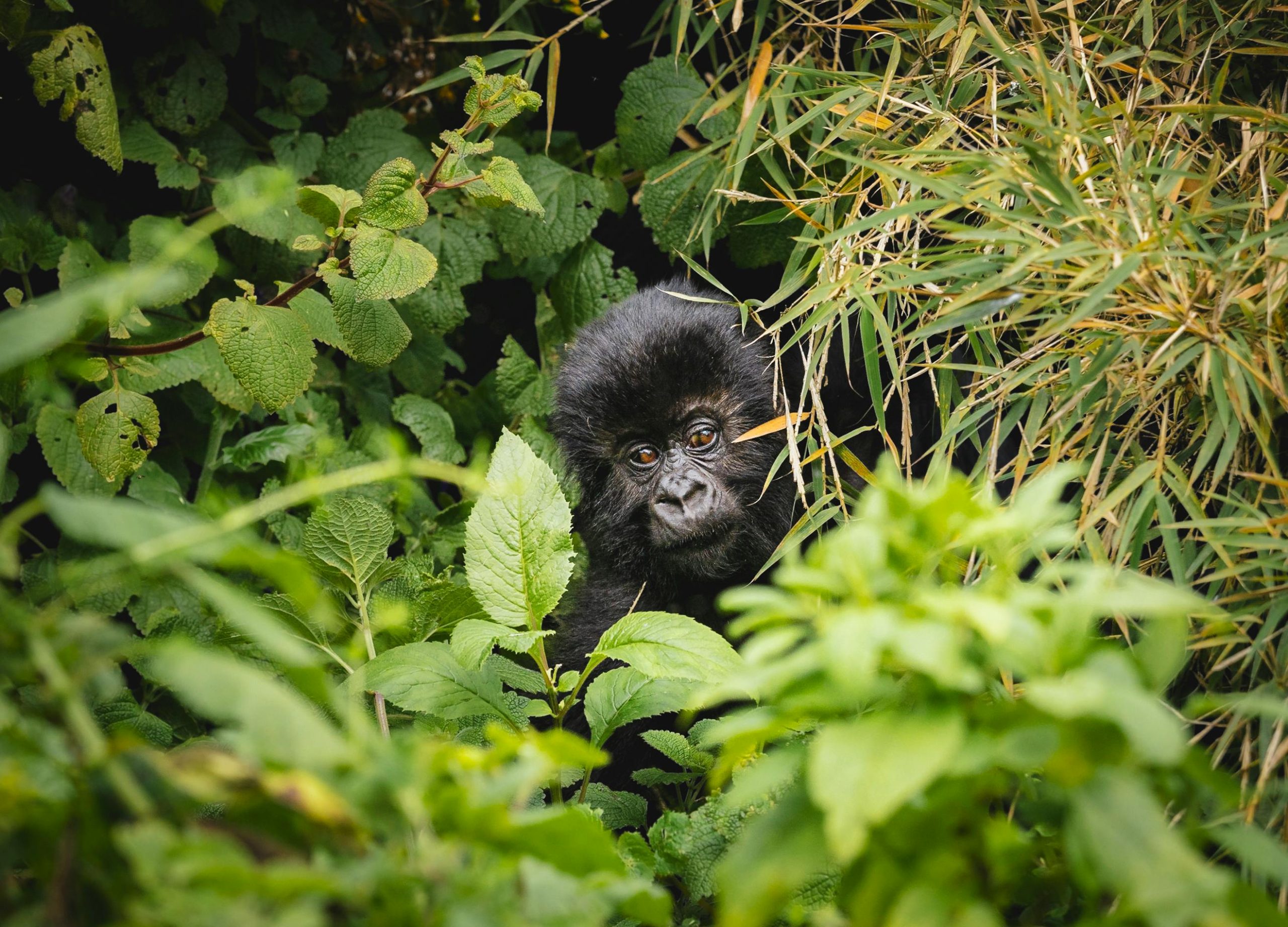
What Altitude is Gorilla Trekking
What Altitude is Gorilla Trekking
What Altitude is Gorilla Trekking? A Complete Guide to Elevation, Preparation, and Experience
Gorilla trekking is a rare and transformative experience that takes you deep into the heart of Africa’s most remote and mist-covered mountain forests. But one of the most critical aspects of this adventure—often overlooked by first-time trekkers—is the altitude. Understanding the elevation at which gorilla trekking occurs is essential for preparation, safety, and enjoyment.
In this comprehensive guide, we’ll explore:
- The specific altitudes of gorilla trekking destinations
- How elevation impacts your physical performance
- What to pack and how to prepare for high-altitude hiking
- Health tips to avoid altitude-related issues
- The best times to trek and what to expect on the trail
Let’s ascend into the clouds and discover the heights at which this unforgettable journey unfolds.
Where Does Gorilla Trekking Take Place?
Gorilla trekking is primarily conducted in three countries: Rwanda, Uganda, and the Democratic Republic of Congo. Each offers a unique landscape, but all share one common trait—mountainous terrain.
Rwanda – Volcanoes National Park
Nestled in the Virunga Mountains, Volcanoes National Park is home to several habituated gorilla families.
- Elevation Range: 2,400 to 4,500 meters (7,874 to 14,764 feet)
- Starting Point: Around 2,500 meters
- Terrain: Volcanic slopes, bamboo forests, and alpine meadows
This park is known for its steep ascents and cooler temperatures, making it one of the more challenging trekking locations.
Uganda – Bwindi Impenetrable Forest & Mgahinga Gorilla National Park
Uganda offers two distinct trekking experiences:
- Bwindi Impenetrable Forest: 1,160 to 2,607 meters (3,800 to 8,553 feet)
- Mgahinga Gorilla National Park: 2,227 to 4,127 meters (7,306 to 13,540 feet)
Bwindi is dense and hilly, while Mgahinga, part of the Virunga range, offers higher altitudes and volcanic terrain.
Democratic Republic of Congo – Virunga National Park
Virunga National Park is the oldest national park in Africa and offers a raw, untamed experience.
- Elevation Range: 2,200 to 4,500 meters
- Terrain: Volcanic, forested, and remote
This park is ideal for seasoned trekkers seeking a more adventurous and less commercialized experience.
Why Altitude Matters in Gorilla Trekking
Trekking at high elevations presents unique challenges and considerations. The air becomes thinner, temperatures drop, and your body must work harder.
Effects of High Altitude
When you ascend above 2,400 meters, your body begins to experience changes due to reduced oxygen levels. These changes can lead to:
- Shortness of breath
- Fatigue
- Dizziness
- Headaches
- Nausea
These symptoms are commonly referred to as acute mountain sickness (AMS).
How to Prepare for High-Altitude Gorilla Trekking
Preparation is crucial for a safe and enjoyable trek. Here’s how to get ready:
Physical Training
Start training at least 8 weeks before your trek:
- Cardiovascular workouts: Hiking, running, cycling
- Strength training: Focus on legs and core
- Stair climbing: Mimics the uphill terrain
- Practice hikes: If possible, train at higher elevations
Acclimatization Tips
To reduce the risk of altitude sickness:
- Arrive early: Spend a day or two at moderate altitude before your trek
- Ascend gradually: Take your time on the trail
- Stay hydrated: Drink at least 3 liters of water daily
- Avoid alcohol and caffeine: These can dehydrate you
- Eat light, high-energy meals
What to Pack for a High-Altitude Gorilla Trek
Packing the right gear is essential for comfort and safety. Here’s a comprehensive list:
Clothing
- Waterproof hiking boots
- Long-sleeved shirts and pants
- Fleece or down jacket
- Rain jacket or poncho
- Gloves and warm hat
- Gaiters (for mud and insects)
Equipment
- Daypack with rain cover
- Trekking poles
- Water bottle or hydration system
- Energy snacks
- Binoculars
- Camera (with extra batteries)
Health Essentials
- First aid kit
- Insect repellent
- Sunscreen and lip balm
- Altitude sickness medication (consult your doctor)
- Personal medications
What to Expect During the Trek
Each trek is unique, but here’s a general overview:
Duration
- Treks can last from 1 to 8 hours
- Time with gorillas is limited to 1 hour
Terrain
- Steep, muddy, and slippery paths
- Dense vegetation
- River crossings and uneven ground
Weather
- Unpredictable: rain can fall at any time
- Temperatures range from 10°C to 25°C (50°F to 77°F)
Best Times to Go Gorilla Trekking
While trekking is available year-round, the dry seasons offer the most favorable conditions:
- June to September
- December to February
During these months:
- Trails are less muddy
- Visibility is better
- Wildlife is easier to spot
However, permits are in high demand, so book well in advance.
Choosing the Right Destination Based on Altitude
Each destination offers a different experience based on elevation and terrain. Here’s a quick comparison:
| Country | Park | Elevation Range | Difficulty | Unique Features |
|---|---|---|---|---|
| Rwanda | Volcanoes NP | 2,400–4,500 m | Moderate to Strenuous | Volcanic terrain, easy access |
| Uganda | Bwindi | 1,160–2,607 m | Moderate | Dense forest, biodiversity |
| Uganda | Mgahinga | 2,227–4,127 m | Strenuous | Volcanic peaks, scenic views |
| DRC | Virunga | 2,200–4,500 m | Strenuous | Remote, adventurous |
Health and Safety Tips for High Altitude
Your safety is paramount. Follow these guidelines:
Before the Trek
- Get a medical check-up
- Discuss altitude medication with your doctor
- Ensure travel insurance covers high-altitude trekking
During the Trek
- Inform your guide of any symptoms
- Take breaks often
- Don’t rush—pace yourself
- Use trekking poles for balance
Responsible Trekking Practices
Gorilla trekking is a privilege. Protecting the gorillas and their habitat is essential.
Follow These Guidelines:
- Maintain a 7-meter distance from gorillas
- Do not trek if you’re ill
- Avoid direct eye contact
- Do not use flash photography
- Stay quiet and calm
Your behavior directly impacts the well-being of these endangered creatures.
Frequently Asked Questions
1. What is the typical altitude for gorilla trekking?
Most treks occur between 2,200 and 4,500 meters above sea level, depending on the park and country. Volcanoes National Park and Virunga offer the highest elevations.
2. Can altitude sickness affect me during the trek?
Yes, especially if you’re not acclimatized. Symptoms include headaches, nausea, and fatigue. Prevent it by hydrating, ascending slowly, and spending time at moderate altitude before trekking.
3. How physically demanding is gorilla trekking?
It can be moderately to highly strenuous, depending on the location and gorilla group. Treks may involve steep climbs, muddy trails, and long distances.
4. What should I wear for a high-altitude trek?
Wear layered clothing, waterproof boots, and long sleeves. Bring a rain jacket, gloves, and a warm hat. The weather can change rapidly at high elevations.
5. Is it safe to trek at these altitudes?
Yes, with proper preparation and guidance. All treks are led by experienced guides and rangers. Always communicate any discomfort or symptoms during the trek.
Final Thoughts
Gorilla trekking is a once-in-a-lifetime adventure that takes place in some of the most breathtaking—and elevated—landscapes on Earth. Understanding the altitude and preparing accordingly ensures that you not only reach the gorillas but enjoy every step of the journey.
Whether you’re scaling the volcanic slopes of Rwanda or navigating the dense jungles of Uganda, the experience will leave you humbled, inspired, and deeply connected to nature.
So lace up your boots, breathe in the mountain air, and get ready to meet the gentle giants who call these high-altitude forests home.