
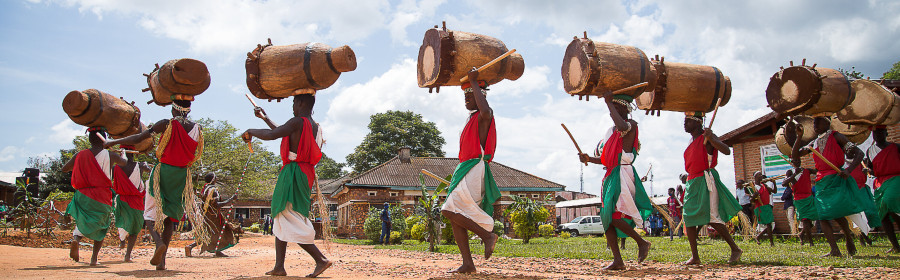
African Tourism Events
African Tourism Events
The Rise of African Tourism Events: A Gateway to Culture, Investment, and Sustainable Development
Introduction
Africa, a continent rich in cultural diversity, natural wonders, and historical depth, is rapidly emerging as a global hub for tourism events. From vibrant festivals to international expos, African tourism events are not only showcasing the continent’s rich heritage but also driving economic growth, fostering international collaboration, and promoting sustainable development. In this comprehensive guide, we delve into the intricate world of tourism events across Africa, exploring their significance, impact, and future potential.
What Are African Tourism Events?
African tourism events are organized gatherings that highlight the continent’s cultural, ecological, and economic assets. These events range from international travel expos and investment forums to cultural festivals and eco-tourism summits. They serve as platforms for:
- Promoting African destinations
- Attracting foreign investment
- Encouraging intra-African travel
- Fostering cultural exchange
- Supporting local economies
Some of the most notable events include:
- Africa Travel Indaba
- Magical Kenya Travel Expo
- Akwaaba African Travel Market
- Sanganai/Hlanganani World Tourism Expo
- Cape Town International Jazz Festival
The Economic Impact of Tourism Events in Africa
Tourism events are powerful economic catalysts. They generate revenue, create jobs, and stimulate infrastructure development. According to the World Travel & Tourism Council, travel and tourism contributed over $186 billion to Africa’s GDP in 2019, and events play a significant role in this figure.
Key Economic Benefits:
- Job Creation: Events require labor across various sectors—hospitality, transport, security, and more.
- Foreign Direct Investment (FDI): Investors are drawn to opportunities showcased at tourism expos.
- SME Growth: Local artisans, food vendors, and tour operators benefit from increased exposure.
- Infrastructure Development: Airports, roads, and hotels are upgraded to accommodate visitors.
Cultural Significance and Preservation
African tourism events are not just economic engines—they are also cultural beacons. They preserve and promote indigenous traditions, languages, and art forms, often under threat from globalization.
Examples of Culturally Rich Events:
- FESPACO (Burkina Faso): The largest African film festival.
- Lake of Stars Festival (Malawi): A celebration of music, art, and culture.
- Timkat Festival (Ethiopia): A religious celebration attracting thousands of tourists.
- Durban July (South Africa): A fusion of fashion, horse racing, and entertainment.
These events offer immersive experiences that allow visitors to engage with Africa’s diverse cultural tapestry.
Sustainable Tourism and Environmental Awareness
Sustainability is increasingly at the heart of African tourism events. Organizers are adopting eco-friendly practices to minimize environmental impact and promote conservation.
Sustainable Practices in Tourism Events:
- Eco-certification for venues and accommodations
- Waste management and recycling initiatives
- Carbon offsetting programs for international travel
- Promotion of local, organic food at events
- Educational workshops on conservation and climate change
Events like the Sustainable Tourism Africa Summit are leading the charge in integrating environmental consciousness into tourism planning.
The Role of Technology in African Tourism Events
Digital transformation is revolutionizing how tourism events are organized and experienced. From virtual expos to AI-powered matchmaking platforms, technology is enhancing accessibility and engagement.
Technological Innovations:
- Virtual Reality (VR) tours of African destinations
- Online ticketing and registration platforms
- Mobile apps for event navigation and updates
- Live streaming of performances and panels
- Data analytics for measuring event impact
The Africa Tourism Tech Conference is a prime example of how tech is reshaping the industry.
Government and Policy Support
Governments across Africa are recognizing the value of tourism events and are implementing policies to support their growth. National tourism boards are investing in marketing, infrastructure, and training to ensure successful event execution.
Key Government Initiatives:
- Tourism Master Plans in countries like Rwanda, Kenya, and Ghana
- Visa-on-arrival policies to ease travel
- Public-private partnerships for event funding
- Capacity-building programs for event organizers
These efforts are positioning Africa as a competitive player in the global tourism market.
Challenges Facing African Tourism Events
Despite their potential, African tourism events face several challenges:
- Security concerns in some regions
- Limited infrastructure in rural areas
- Inconsistent funding and sponsorship
- Bureaucratic red tape
- Climate change affecting travel patterns
Addressing these issues requires coordinated efforts between governments, private sector players, and international partners.
Future Trends in African Tourism Events
The future of African tourism events is promising, with several trends shaping the landscape:
Emerging Trends:
- Rise of niche tourism: Wellness, culinary, and adventure tourism events are gaining traction.
- Increased regional integration: Events promoting intra-African travel are on the rise.
- Hybrid event models: Combining physical and virtual experiences.
- Youth and innovation focus: Events targeting young entrepreneurs and creatives.
- Diaspora engagement: Events that reconnect the African diaspora with their roots.
These trends indicate a dynamic and evolving sector with immense growth potential.
Top African Tourism Events to Watch in 2024 and Beyond
Here’s a curated list of must-attend tourism events across Africa:
Travel and Trade Shows:
- Africa Travel Indaba – South Africa
- Magical Kenya Travel Expo – Kenya
- Sanganai/Hlanganani Expo – Zimbabwe
- Akwaaba African Travel Market – Nigeria
Cultural Festivals:
- FESPACO – Burkina Faso
- Cape Town International Jazz Festival – South Africa
- Lake of Stars – Malawi
- Marrakech Popular Arts Festival – Morocco
Sustainability and Innovation:
How to Participate in African Tourism Events
Whether you’re a traveler, investor, or industry professional, participating in African tourism events can be highly rewarding.
Steps to Get Involved:
- Register early on official event websites
- Follow tourism boards on social media for updates
- Apply as an exhibitor or speaker if you’re in the industry
- Partner with local tour operators for curated experiences
- Network actively during and after the event
Frequently Asked Questions (FAQ)
1. What are the best African tourism events for first-time visitors?
For newcomers, we recommend:
These events offer a mix of culture, business, and entertainment.
2. How can I find out about upcoming tourism events in Africa?
Visit the websites of national tourism boards or follow platforms like Africa Tourism Partners and WTM Africa.
3. Are African tourism events safe to attend?
Yes, most events are held in secure, well-managed venues. However, always check travel advisories and register with your embassy when traveling.
4. Can small businesses benefit from attending tourism events?
Absolutely. Events offer exposure, networking, and partnership opportunities. Look for SME-focused forums like the Africa SME Tourism Summit.
5. What should I pack for a tourism event in Africa?
- Lightweight, breathable clothing
- Business attire for formal sessions
- Local currency and international cards
- Travel insurance documents
- Event tickets and ID
Conclusion
African tourism events are more than just gatherings—they are catalysts for transformation. They celebrate the continent’s rich heritage, drive economic growth, and pave the way for a more connected and sustainable future. As Africa continues to rise on the global tourism map, these events will play an increasingly vital role in shaping perceptions, policies, and partnerships.
Whether you’re a traveler seeking adventure, an investor scouting opportunities, or a cultural enthusiast, Africa’s tourism events offer a front-row seat to a continent in motion.