
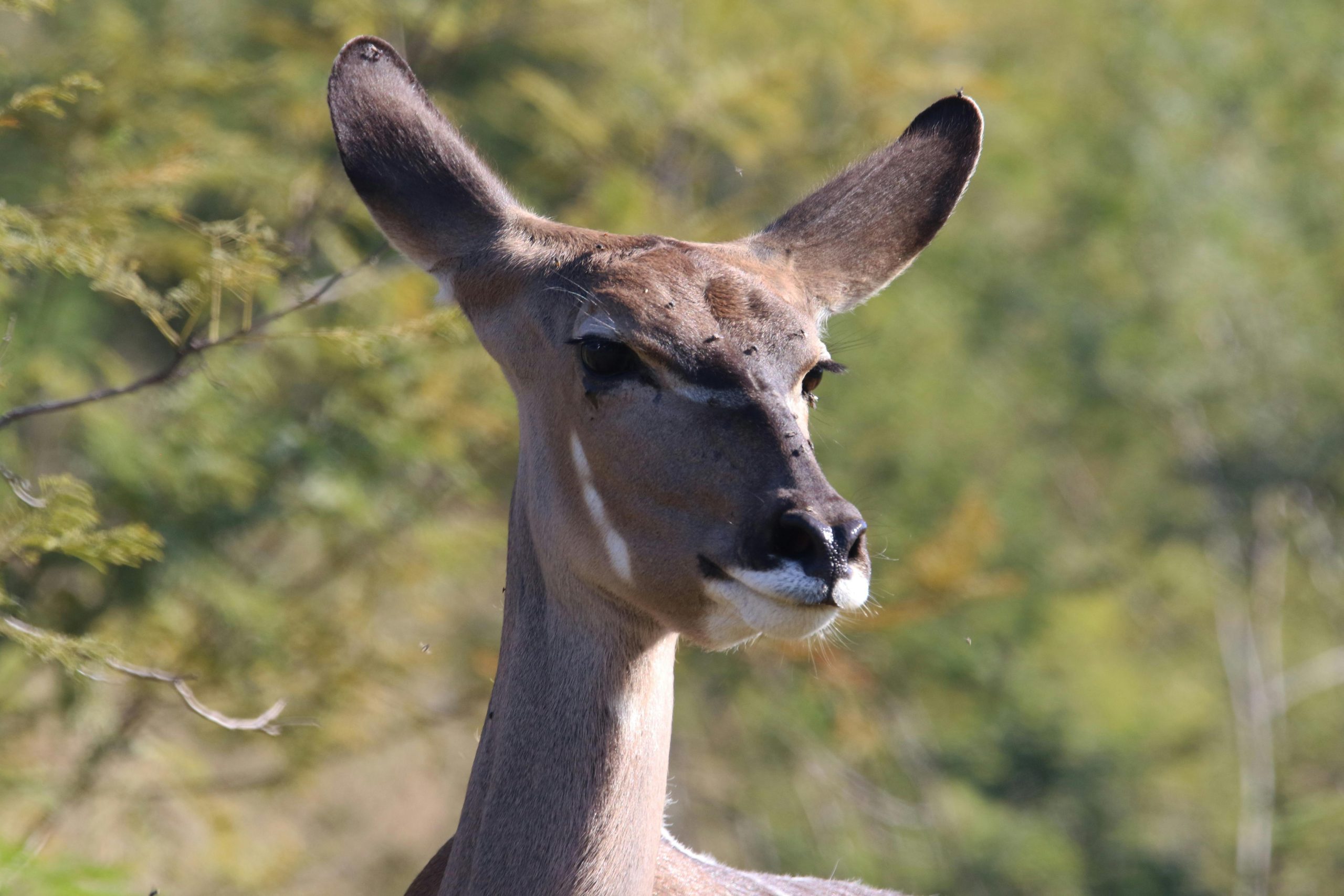
Wildlife Conservation
Wildlife Conservation
Wildlife Conservation: A Deep Dive into East Africa’s Biodiversity Guardianship
Introduction
East Africa is a treasure trove of biodiversity, home to some of the most iconic wildlife species on the planet. Countries like Uganda, Kenya, and Rwanda have become global leaders in wildlife conservation, not just because of their rich natural heritage, but due to their relentless efforts in protecting it. From the majestic mountain gorillas of the Virunga Massif to the expansive savannahs of the Maasai Mara, these nations are at the forefront of a critical mission: preserving nature for future generations.
This article delves into the intricate tapestry of conservation efforts in Uganda, Kenya, and Rwanda, exploring their strategies, challenges, and triumphs. It also offers insights into how responsible tourism, community involvement, and international cooperation are shaping the future of wildlife in this region.
The Ecological Significance of East Africa
Biodiversity Hotspots
East Africa is one of the most ecologically diverse regions in the world. Its ecosystems range from tropical rainforests and alpine moorlands to arid deserts and freshwater lakes. This diversity supports:
- Over 1,100 species of birds
- More than 400 species of mammals
- Numerous endemic species like the Ruwenzori turaco and golden monkey
- Critical habitats such as the Albertine Rift and the Great Rift Valley
These ecosystems are not only vital for wildlife but also for human populations that depend on them for water, food, and climate regulation.
Uganda: The Pearl of Africa’s Conservation Journey
Key Protected Areas
Uganda’s conservation landscape is dotted with national parks and reserves that are home to rare and endangered species. Some of the most notable include:
- Bwindi Impenetrable National Park – A UNESCO World Heritage Site and sanctuary for over 40% of the world’s mountain gorillas.
- Queen Elizabeth National Park – Known for its tree-climbing lions and diverse birdlife.
- Murchison Falls National Park – Uganda’s largest park, home to elephants, giraffes, and the powerful Nile River.
Conservation Strategies
Uganda employs a multi-faceted approach to conservation:
- Community-Based Conservation: Programs like the Community Conservation Rangers involve locals in anti-poaching and habitat protection.
- Eco-Tourism: Gorilla trekking permits fund conservation and local development.
- Research and Monitoring: Institutions like the Uganda Wildlife Authority (UWA) conduct regular wildlife censuses and ecological studies.
Kenya: A Conservation Powerhouse
Iconic Wildlife and Landscapes
Kenya is synonymous with African wildlife. Its savannahs, mountains, and coastlines are home to the “Big Five” and countless other species. Key conservation areas include:
- Maasai Mara National Reserve – Famous for the Great Migration of wildebeest and zebras.
- Amboseli National Park – Known for large elephant herds and views of Mount Kilimanjaro.
- Tsavo National Parks – One of the largest protected areas in Africa.
Innovative Conservation Models
Kenya has pioneered several conservation innovations:
- Community Conservancies: Through the Northern Rangelands Trust (NRT), communities manage wildlife areas, benefiting from tourism and conservation grants.
- Private Reserves: Places like Ol Pejeta Conservancy protect endangered species like the northern white rhino.
- Technology in Conservation: Use of drones, GPS collars, and AI-powered surveillance to monitor wildlife and prevent poaching.
Rwanda: A Rising Star in Conservation
From Recovery to Leadership
After the 1994 genocide, Rwanda’s wildlife and parks were in ruins. Today, it is a model of ecological recovery and sustainable tourism. Key destinations include:
- Volcanoes National Park – Home to mountain gorillas and golden monkeys.
- Akagera National Park – A savannah park that has reintroduced lions and rhinos.
- Nyungwe Forest National Park – A biodiversity hotspot with chimpanzees and over 300 bird species.
Conservation Highlights
- Gorilla Tourism: Strictly regulated, high-value gorilla trekking supports conservation and community development.
- Rewilding Projects: Successful reintroduction of species like lions and black rhinos in Akagera.
- Public-Private Partnerships: Collaboration with organizations like African Parks ensures sustainable park management.
Shared Challenges Across the Region
Despite their successes, Uganda, Kenya, and Rwanda face common conservation challenges:
1. Human-Wildlife Conflict
As human populations grow, encroachment into wildlife habitats leads to:
- Crop destruction by elephants
- Livestock predation by lions and leopards
- Retaliatory killings of wildlife
2. Poaching and Illegal Wildlife Trade
Despite stricter laws, poaching remains a threat, particularly for:
- Elephants (ivory)
- Rhinos (horns)
- Pangolins and exotic birds
3. Climate Change
Rising temperatures and erratic rainfall affect:
- Migration patterns
- Water availability
- Habitat degradation
4. Funding and Resource Constraints
Conservation is expensive. Many parks rely heavily on tourism, which is vulnerable to:
- Global pandemics (e.g., COVID-19)
- Political instability
- Economic downturns
Collaborative Solutions and Regional Integration
Transboundary Conservation
Wildlife doesn’t recognize borders. Initiatives like the Greater Virunga Transboundary Collaboration (GVTC) unite Uganda, Rwanda, and the DRC in protecting shared ecosystems.
Community Empowerment
Empowering local communities is key to sustainable conservation. Successful models include:
- Revenue-sharing from park fees
- Employment in eco-tourism
- Education and awareness programs
International Partnerships
Support from global NGOs and donors plays a vital role. Key partners include:
- World Wildlife Fund (WWF)
- Wildlife Conservation Society (WCS)
- United Nations Environment Programme (UNEP)
The Role of Eco-Tourism in Conservation
Economic Incentives for Protection
Tourism is a major revenue source that incentivizes wildlife protection. Benefits include:
- Job creation
- Infrastructure development
- Cultural preservation
Best Practices for Sustainable Tourism
- Limit visitor numbers in sensitive areas
- Use certified eco-lodges
- Promote off-season travel to reduce pressure
The Future of Wildlife Conservation in East Africa
Embracing Technology
Emerging tools are revolutionizing conservation:
- Camera traps for monitoring elusive species
- Satellite imagery for habitat mapping
- Blockchain for transparent funding and anti-corruption
Youth and Education
Educating the next generation is essential. Programs in schools and universities are fostering:
- Environmental stewardship
- Citizen science
- Green entrepreneurship
Policy and Governance
Strong legal frameworks are crucial. Governments must:
- Enforce anti-poaching laws
- Integrate conservation into national development plans
- Support research and innovation
Frequently Asked Questions (FAQ)
1. What are the main threats to wildlife in Uganda, Kenya, and Rwanda?
The primary threats include habitat loss, poaching, human-wildlife conflict, and climate change. Each country faces unique challenges, but these issues are common across the region.
2. How can tourists support conservation efforts?
Tourists can contribute by:
- Visiting certified eco-tourism operators
- Participating in gorilla trekking
- Donating to conservation NGOs
- Respecting park rules and wildlife
3. What role do communities play in conservation?
Local communities are crucial. They help in:
- Monitoring wildlife
- Preventing poaching
- Educating others
- Managing community conservancies
4. Are mountain gorillas still endangered?
Yes, but their numbers are increasing thanks to conservation. According to the IUCN, mountain gorillas are still endangered, but their population has grown to over 1,000 individuals.
5. What is the best time to visit for wildlife viewing?
The dry seasons (June–October and December–February) are ideal for wildlife viewing in all three countries. These periods offer better visibility and easier access to parks.
Conclusion
Wildlife conservation in Uganda, Kenya, and Rwanda is more than a regional effort—it’s a global imperative. These nations have made remarkable strides, transforming adversity into opportunity and setting benchmarks for sustainable conservation. However, the journey is far from over. With continued support, innovation, and collaboration, East Africa can remain a sanctuary for the planet’s most extraordinary creatures.
Whether you’re a traveler, conservationist, or simply a lover of nature, your actions matter. Support the guardians of Africa’s wild heart—because their survival is our shared legacy.