
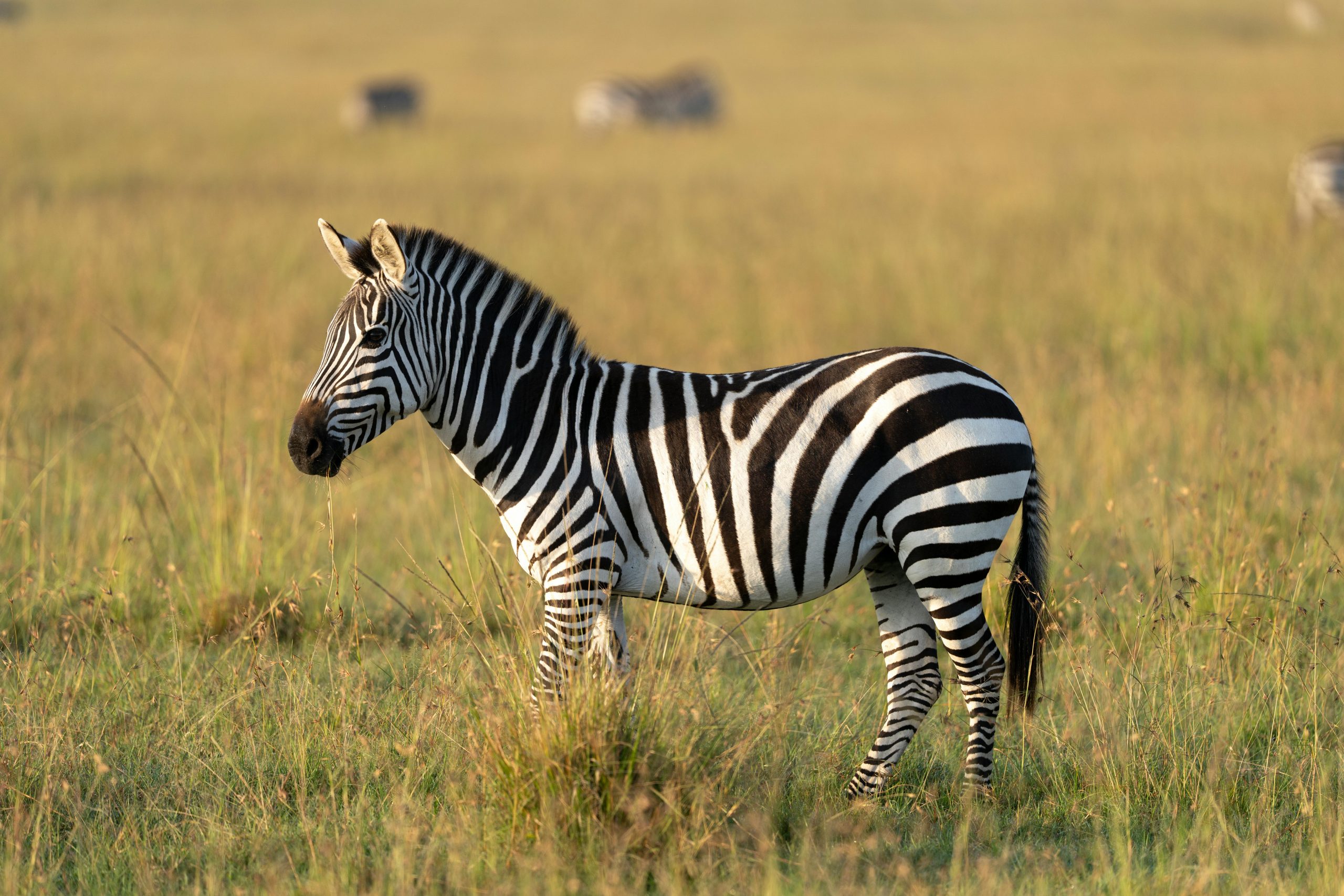
Wildlife Sanctuaries
Wildlife Sanctuaries
Exploring the Best Wildlife Sanctuaries
Introduction
East Africa is a treasure trove of biodiversity, home to some of the most iconic and ecologically rich wildlife sanctuaries in the world. From the misty mountains of Rwanda to the vast savannahs of Tanzania, the region offers a unique blend of ecosystems that support an extraordinary array of flora and fauna. In this comprehensive guide, we delve into the most renowned wildlife sanctuaries across Uganda, Kenya, Rwanda, and Tanzania, showcasing their ecological significance, unique species, and travel tips for eco-conscious adventurers.
Uganda: The Pearl of Africa’s Hidden Wildlife Gems
Uganda, often referred to as the “Pearl of Africa,” boasts a diverse landscape of tropical rainforests, savannahs, and wetlands. Its sanctuaries are crucial for the conservation of endangered species and offer immersive wildlife experiences.
🦍 Bwindi Impenetrable National Park
- Location: Southwestern Uganda
- Famous For: Mountain gorilla trekking
- UNESCO World Heritage Site
Bwindi Impenetrable Forest is one of the most biologically diverse forests in Africa. It is home to nearly half of the world’s remaining mountain gorillas. Trekking through this dense jungle offers a once-in-a-lifetime opportunity to observe these majestic primates in their natural habitat.
Highlights:
- Over 120 species of mammals
- 350+ bird species
- Rich flora including ferns, vines, and hardwood trees
🐘 Murchison Falls National Park
- Location: Northwestern Uganda
- Famous For: The powerful Murchison Falls and diverse wildlife
This sanctuary is Uganda’s largest and oldest conservation area. The Nile River cuts through the park, creating the dramatic Murchison Falls. Visitors can spot elephants, lions, giraffes, and over 450 bird species.
Must-Do Activities:
- Nile boat safari
- Game drives
- Bird watching
Kenya: The Cradle of Safari
Kenya is synonymous with the word “safari.” Its sanctuaries are famed for the Great Migration, Big Five sightings, and a strong commitment to conservation.
🦁 Maasai Mara National Reserve
- Location: Southwestern Kenya
- Famous For: The Great Migration
The Maasai Mara is arguably the most famous wildlife sanctuary in Africa. Every year, over 1.5 million wildebeest, zebras, and gazelles migrate from Tanzania’s Serengeti in search of greener pastures, creating one of the most spectacular wildlife events on Earth.
Wildlife Highlights:
- Big Five: Lion, Leopard, Elephant, Rhino, Buffalo
- Cheetahs and hyenas
- Over 470 bird species
🐘 Amboseli National Park
- Location: Southern Kenya
- Famous For: Large elephant herds and views of Mount Kilimanjaro
Amboseli offers a picturesque backdrop with Africa’s tallest mountain looming in the distance. It’s a haven for elephants, and the open plains make it ideal for photography.
Key Attractions:
- Observation Hill for panoramic views
- Swamps fed by underground rivers
- Maasai cultural experiences
Rwanda: The Land of a Thousand Hills
Rwanda has made remarkable strides in conservation, particularly in protecting its endangered mountain gorilla population. Its sanctuaries are small but incredibly rich in biodiversity.
🦍 Volcanoes National Park
- Location: Northwestern Rwanda
- Famous For: Gorilla trekking and Dian Fossey’s research
Volcanoes National Park is part of the Virunga Mountains and one of the best places to see mountain gorillas. The park also offers golden monkey tracking and scenic hikes.
Unique Features:
- Five volcanoes within the park
- Dian Fossey’s Karisoke Research Center
- Rich montane forest ecosystem
🐒 Nyungwe Forest National Park
- Location: Southwestern Rwanda
- Famous For: Chimpanzee tracking and canopy walks
One of Africa’s oldest rainforests, Nyungwe is a biodiversity hotspot. It’s home to 13 primate species, including chimpanzees and colobus monkeys.
Activities:
- Canopy walkway suspended above the forest
- Bird watching (300+ species)
- Waterfall hikes
Tanzania: The Heart of African Wilderness
Tanzania is home to some of the most iconic landscapes and wildlife sanctuaries in the world, including the Serengeti and Ngorongoro Crater.
🦓 Serengeti National Park
- Location: Northern Tanzania
- Famous For: The Great Migration and vast savannahs
The Serengeti is a UNESCO World Heritage Site and one of the oldest ecosystems on Earth. It supports a massive variety of wildlife and is the starting point of the Great Migration.
Wildlife You’ll See:
- Wildebeest, zebras, and gazelles
- Predators like lions, leopards, and cheetahs
- Over 500 bird species
🦏 Ngorongoro Conservation Area
- Location: Northern Tanzania
- Famous For: Ngorongoro Crater and dense wildlife population
The Ngorongoro Crater is the world’s largest inactive volcanic caldera. It’s a natural enclosure for thousands of animals, offering one of the best chances to see the Big Five in one day.
Notable Features:
- High density of predators
- Maasai pastoralists living within the area
- Archaeological site of Olduvai Gorge
Conservation Efforts Across East Africa
Conservation is at the heart of these sanctuaries. Governments and NGOs work tirelessly to protect endangered species and habitats.
Key Conservation Initiatives:
- Anti-poaching patrols and surveillance
- Community-based tourism to empower locals
- Habitat restoration and reforestation
- Wildlife corridors to ensure safe migration
Notable Organizations:
Best Time to Visit Wildlife Sanctuaries
Timing your visit can greatly enhance your wildlife experience.
Dry Season (June to October):
- Best for game viewing
- Animals congregate around water sources
- Clear skies and easier travel
Wet Season (November to May):
- Lush landscapes and fewer tourists
- Excellent for bird watching
- Calving season for many herbivores
Travel Tips for Wildlife Enthusiasts
What to Pack:
- Lightweight, neutral-colored clothing
- Binoculars and a good camera
- Insect repellent and sunscreen
- Reusable water bottle
Responsible Tourism Guidelines:
- Keep a safe distance from animals
- Do not feed wildlife
- Follow your guide’s instructions
- Support eco-friendly lodges and local communities
FAQ: Wildlife Sanctuaries in East Africa
1. What is the best country in East Africa for wildlife viewing?
Each country offers unique experiences. Kenya and Tanzania are ideal for classic safaris and the Great Migration, while Uganda and Rwanda excel in primate tracking.
2. Do I need a permit for gorilla trekking?
Yes, permits are required in both Uganda and Rwanda. They are limited and should be booked in advance through official channels or tour operators.
3. Is it safe to visit these wildlife sanctuaries?
Absolutely. These parks are well-managed and prioritize tourist safety. Always follow park guidelines and travel with reputable guides.
4. What is the difference between a national park and a wildlife sanctuary?
National parks are typically larger and offer more infrastructure, while wildlife sanctuaries may focus on specific species or conservation goals. Both are protected areas.
5. How can I support conservation efforts?
You can contribute by:
- Donating to reputable organizations
- Participating in eco-tourism
- Volunteering for conservation projects
- Spreading awareness through social media
Conclusion
East Africa’s wildlife sanctuaries are more than just travel destinations—they are vital ecosystems that sustain some of the planet’s most remarkable species. Whether you’re tracking gorillas in Uganda, witnessing the Great Migration in Kenya and Tanzania, or exploring Rwanda’s misty mountains, these experiences are unforgettable and deeply impactful. By visiting responsibly, you contribute to the preservation of these natural wonders for generations to come.