
Masai History
Masai History
The Rich and Fascinating History of the Masai People
Introduction
The Masai, often spelled Maasai, are one of the most iconic and culturally vibrant ethnic groups in Africa. Known for their distinct customs, dress, and semi-nomadic lifestyle, the Masai have a history that is deeply intertwined with the landscapes of Kenya and Tanzania. This article delves into the Masai history, exploring their origins, social structure, cultural practices, and the challenges they face in the modern world.
Origins of the Masai People
The Masai are part of the larger Nilotic ethnic group, believed to have migrated from the Nile Valley region. Around the 15th century, they moved southward through present-day South Sudan, eventually settling in the Great Rift Valley of Kenya and Tanzania.
- Migration Patterns: Their migration was driven by the search for fertile grazing land for their cattle.
- Cultural Adaptation: As they moved, the Masai adapted to various environments, from arid plains to lush highlands.
- Historical Conflicts: They often clashed with other communities over land and resources, shaping their warrior culture.
For a deeper look into the Nilotic migrations, visit this comprehensive resource.
The Masai Social Structure
The Masai society is organized around a complex age-set system, which dictates roles and responsibilities throughout an individual’s life.
Age-Sets and Roles
- Warriors (Morans): Young men undergo rigorous training and initiation rites to become warriors, responsible for protecting the community.
- Elders: Older men who have retired from warrior duties become decision-makers and spiritual leaders.
- Women: Women play crucial roles in family life, including building homes and raising children.
Learn more about the Masai age-set system and its significance.
Cattle: The Heart of Masai Life
Cattle are central to Masai culture, serving as a source of food, wealth, and social status.
- Economic Value: Cattle are used in trade, dowries, and as a measure of wealth.
- Spiritual Significance: The Masai believe that all cattle were given to them by the sky god Enkai.
- Diet: Their traditional diet includes milk, meat, and blood from cattle.
Explore the importance of cattle in Masai culture.
Traditional Masai Practices and Beliefs
The Masai have preserved many of their ancient customs despite external influences.
Clothing and Adornment
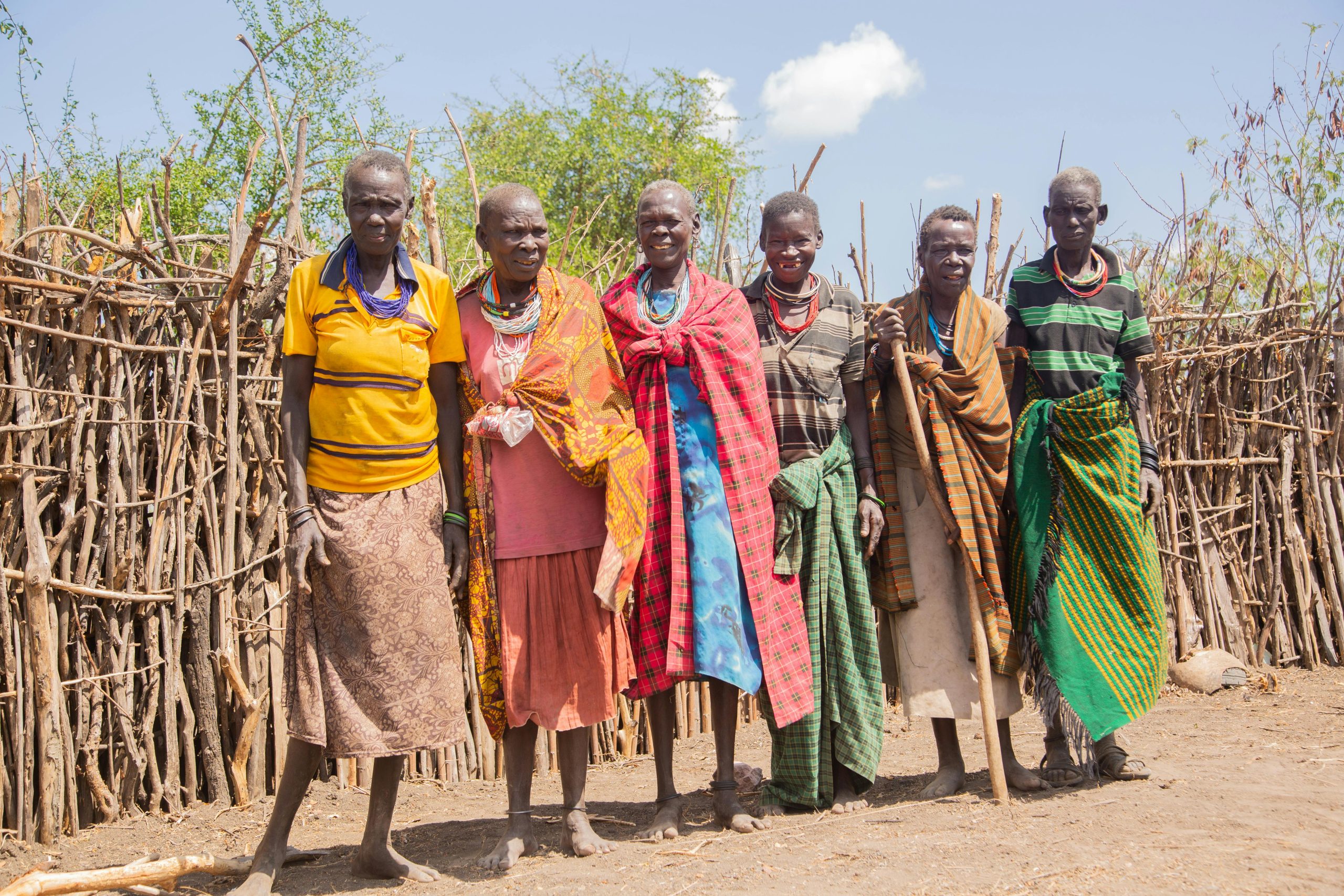
- Shúkà: The traditional red cloth worn by Masai men and women.
- Beadwork: Intricate bead necklaces and earrings symbolize social status and achievements.
- Body Modification: Ear stretching and scarification are common traditional practices.
Discover the significance of Masai beadwork and its meanings.
Rituals and Ceremonies
- Eunoto: The ceremony marking the transition from warrior to elder.
- Enkipaata: Initiation of boys into adulthood.
- Marriage Rituals: Involving elaborate negotiations and ceremonies.
For an in-depth guide to Masai rituals, click here.
The Masai and Colonial Encounters
The arrival of European colonizers in East Africa had a profound impact on the Masai.
- Land Loss: Large tracts of Masai land were appropriated for colonial settlements and national parks.
- Resistance: The Masai resisted colonization through negotiations and occasional conflicts.
- Treaties: Agreements like the 1904 and 1911 treaties forced the Masai into smaller reserves.
Learn about the colonial impact on the Masai.
Modern Challenges Facing the Masai
Today, the Masai face numerous challenges as they strive to maintain their traditions in a rapidly changing world.
Land Rights and Displacement
- Encroachment: Expansion of agriculture and tourism has led to further loss of traditional lands.
- Legal Battles: The Masai have engaged in legal efforts to reclaim ancestral lands.
Cultural Preservation
- Education vs. Tradition: Balancing modern education with traditional knowledge.
- Tourism: While tourism provides income, it also risks commodifying Masai culture.
Explore the current struggles of the Masai.
Climate Change
- Droughts: Increasingly frequent droughts threaten their pastoralist way of life.
- Adaptation Strategies: Some Masai communities are diversifying into agriculture and other livelihoods.
For more on climate change impacts on indigenous peoples, click here.
The Global Influence of Masai Culture
Despite challenges, the Masai have achieved global recognition for their resilience and vibrant culture.
- Fashion: Masai-inspired designs have influenced global fashion trends.
- Media Representation: Documentaries and films have brought Masai stories to international audiences.
- Advocacy: Masai leaders advocate for indigenous rights on global platforms.
Discover how Masai culture influences the world today.
Frequently Asked Questions (FAQ)
1. Who are the Masai people?
The Masai are a semi-nomadic ethnic group primarily found in Kenya and Tanzania, known for their distinctive customs, dress, and strong warrior traditions. Learn more about the Masai people.
2. What is the significance of cattle in Masai culture?
Cattle are central to Masai life, symbolizing wealth, social status, and spiritual blessings. They are integral to rituals, diet, and economy. Explore the importance of cattle in more detail.
3. How have modern challenges affected the Masai?
Modern challenges such as land loss, climate change, and cultural erosion have significantly impacted the Masai, leading to adaptations in lifestyle and advocacy for rights. Read about modern challenges facing indigenous communities.
4. What are some traditional Masai ceremonies?
Traditional ceremonies include Eunoto (warrior to elder transition), Enkipaata (boyhood initiation), and elaborate marriage rituals. Discover more about Masai ceremonies.
5. How is Masai culture preserved today?
Through education, legal advocacy, and cultural tourism, the Masai work to preserve their traditions while adapting to modern realities. Learn about cultural preservation efforts.
Conclusion
The history of the Masai is a testament to resilience, adaptability, and cultural pride. From their ancient migrations to their modern struggles and triumphs, the Masai continue to captivate the world with their rich heritage. As they navigate the complexities of the 21st century, their story remains a powerful reminder of the importance of preserving indigenous cultures.
For further reading on the Masai history, explore these trusted resources and deepen your understanding of this remarkable people.
If you enjoyed this deep dive into the Masai history, feel free to explore more articles on African cultures, indigenous rights, and global heritage!