
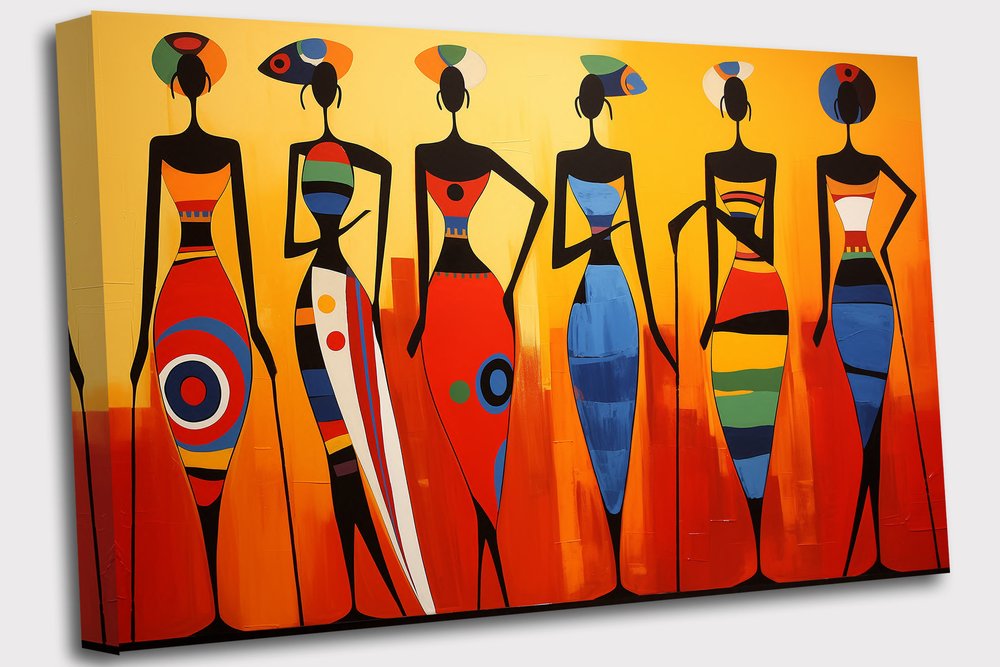
Masai Tribal Art
Masai Tribal Art
The Vibrant World of Masai Tribal Art: A Journey Through Culture, Symbolism, and Aesthetic Brilliance
Introduction
The Masai (or Maasai) people of East Africa are renowned not only for their rich cultural heritage and semi-nomadic lifestyle but also for their visually striking and deeply symbolic tribal art. Rooted in centuries of tradition, Masai tribal art is more than just decoration—it is a vivid expression of identity, spirituality, and social structure. This article explores the multifaceted universe of Masai artistry, from beadwork and body adornment to sculpture and ceremonial crafts, offering a comprehensive look at its cultural significance and artistic mastery.
The Origins and Cultural Significance of Masai Art
Masai tribal art is intrinsically tied to the community’s way of life. Originating from the Great Rift Valley region of Kenya and Tanzania, the Masai have preserved their artistic traditions through oral history and daily practice. Art is not created for commercial purposes but as a living, breathing part of Masai identity.
Aesthetic as Identity
Art within the Masai community serves as a visual language. Each piece—whether jewelry, clothing, or painted shields—communicates age, marital status, social rank, and even emotional states. The use of color and pattern is deliberate and symbolic, making each creation a narrative in itself.
Traditional Masai Art Forms
1. Beadwork: The Crown Jewel of Masai Art
Perhaps the most iconic form of Masai tribal art is their intricate beadwork. Crafted primarily by women, these vibrant pieces are worn by both genders and are essential in ceremonies and daily life.
Key Features of Masai Beadwork:
- Color Symbolism:
- Red: Bravery, strength, unity
- Blue: Energy and sustenance from the sky
- Green: Health and land
- White: Purity and health
- Orange & Yellow: Hospitality
- Black: Unity and solidarity
- Types of Beaded Items:
- Necklaces
- Bracelets
- Earrings
- Belts
- Headbands
- Ceremonial Use:
- Worn during rites of passage (e.g., circumcision, marriage)
- Used to distinguish warriors from elders
2. Body Adornment and Modification
Masai art extends to the human body, where it becomes both canvas and medium. Body painting, scarification, and elaborate hairstyles are all forms of artistic expression.
Common Practices:
- Ear Stretching: Symbolizes beauty and maturity
- Ochre Body Paint: Used in rituals and to signify status
- Hair Braiding: Warriors (Morans) wear intricate braids dyed with red ochre
3. Sculpture and Wood Carving
Though less globally recognized than beadwork, Masai wood carvings are equally significant. These include ceremonial staffs, stools, and shields.
- Shields: Decorated with bold geometric patterns and used in both warfare and dance
- Stools: Personal items that signify status and are passed down generations
- Staffs: Carried by elders and used in rituals
Symbolism and Storytelling in Masai Art
Masai tribal art is a visual narrative. Each piece tells a story—of lineage, love, war, peace, and spirituality. The motifs and colors used are not arbitrary but are deeply embedded in Masai cosmology and social structure.
Symbolic Motifs:
- Triangles and Diamonds: Represent femininity and fertility
- Lines and Dots: Indicate journeys or transitions
- Animal Forms: Symbolize traits like courage (lion), wisdom (elephant), or agility (gazelle)
Masai Art in Ceremonial Life
Art plays a central role in Masai ceremonies, which mark the passage from one life stage to another. These include:
1. Eunoto (Warrior Graduation)
Young men transition from Morans (warriors) to elders. Beaded regalia, painted shields, and ceremonial dances are central to this rite.
2. Enkipaata (Boyhood to Warriorhood)
Boys are adorned with specific beadwork and body paint to signify their new role in society.
3. Marriage Ceremonies
Brides wear elaborate beaded collars and headpieces, often crafted by their mothers. These items are not only decorative but also symbolic of the family’s wealth and the bride’s readiness for womanhood.
The Evolution of Masai Art in the Modern World
While deeply traditional, Masai art is not static. In recent decades, it has evolved to include new materials and forms, influenced by globalization and tourism.
Contemporary Adaptations:
- Use of Glass and Plastic Beads: Replacing natural materials like bone and seeds
- Commercial Art: Masai artists now create pieces for sale, blending traditional motifs with modern aesthetics
- Fashion Collaborations: Global designers incorporate Masai beadwork into haute couture
Challenges and Opportunities:
- Cultural Appropriation: The global demand for Masai art has led to imitations that often strip away cultural context
- Economic Empowerment: Art cooperatives provide income for Masai women, preserving tradition while fostering independence
Masai Art and Sustainable Practices
Masai tribal art is inherently sustainable. Artists use locally sourced, biodegradable materials and traditional techniques passed down through generations.
Eco-Friendly Materials:
- Natural dyes (from plants and minerals)
- Bone, horn, and wood
- Recycled metals and plastics (in modern adaptations)
Community-Based Production:
- Art is created within families or community groups
- Knowledge is shared orally, ensuring continuity and authenticity
How to Appreciate and Support Authentic Masai Art
If you’re interested in Masai tribal art, it’s essential to engage with it respectfully and ethically.
Tips for Ethical Engagement:
- Buy from Certified Fair-Trade Sources
- Support Masai-Owned Cooperatives
- Educate Yourself on the Cultural Significance
- Avoid Mass-Produced Imitations
The Global Influence of Masai Aesthetics
Masai tribal art has inspired artists, designers, and scholars around the world. From fashion runways to contemporary art galleries, its bold colors and symbolic depth continue to captivate.
Notable Collaborations:
- Louis Vuitton: Featured Masai beadwork in a limited-edition collection
- British Museum: Hosts exhibitions on East African tribal art
- UNESCO: Recognizes Masai culture as an intangible cultural heritage
Frequently Asked Questions (FAQ)
1. What materials are traditionally used in Masai tribal art?
Masai artists use natural materials such as:
- Bone and horn
- Wood
- Natural dyes
- Seeds and stones
- Later adaptations include glass and plastic beads
2. What does the color red symbolize in Masai art?
Red is one of the most important colors in Masai culture. It symbolizes:
- Bravery
- Strength
- Unity
- The blood of cattle, which are central to Masai life
3. How can I tell if a piece of Masai art is authentic?
Look for:
- Handcrafted details
- Traditional color symbolism
- Purchase from fair-trade or Masai-owned sources
- Avoid overly commercial or mass-produced items
4. Are there male and female roles in the creation of Masai art?
Yes. Traditionally:
- Women: Create beadwork and jewelry
- Men: Carve wood, make shields and ceremonial items
5. How has Masai art changed in the modern era?
Modern influences include:
- Use of synthetic materials
- Commercialization for tourism
- Collaborations with global fashion and art industries
Conclusion: Preserving the Legacy of Masai Tribal Art
Masai tribal art is a living testament to the community’s resilience, creativity, and spiritual depth. As the world becomes more interconnected, it is vital to honor and preserve these traditions—not just as artifacts of the past, but as vibrant expressions of a culture that continues to thrive.
By understanding the stories behind the beads, the symbolism in the colors, and the hands that craft each piece, we gain not only aesthetic appreciation but also cultural insight. In doing so, we help ensure that the legacy of Masai artistry endures for generations to come.