
Safari Season
Safari Season
The Ultimate Guide to Safari Season: Explore the Wild Like Never Before
Safari Season in East Africa: Discover the Wild Wonders of Uganda, Kenya, Rwanda & Tanzania
Introduction
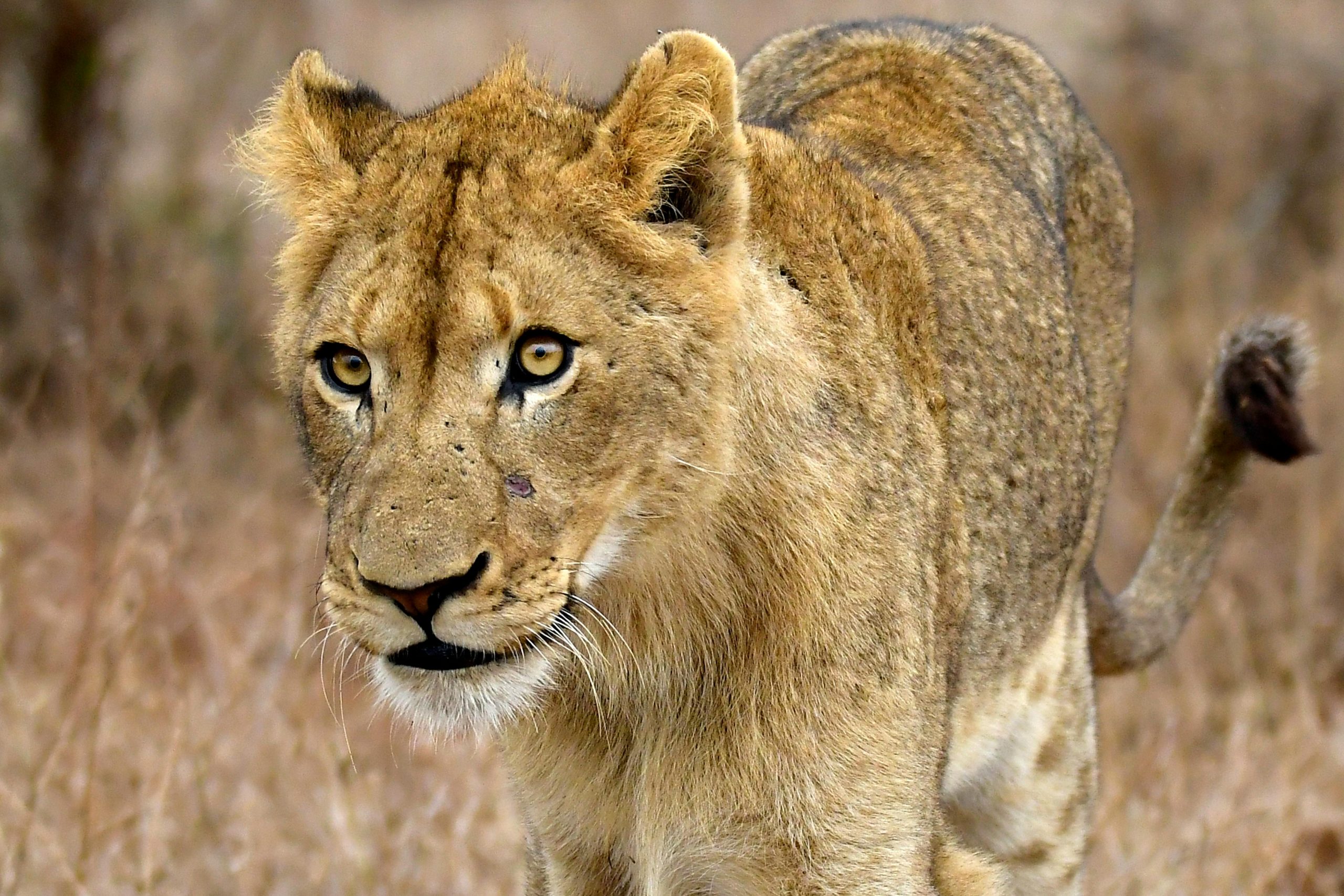
When the golden sun rises over the acacia-dotted plains and the distant roar of a lion echoes across the savanna, you know you’ve entered the heart of East Africa’s safari season. Stretching across the diverse landscapes of Uganda, Kenya, Rwanda, and Tanzania, this region offers some of the most exhilarating wildlife experiences on Earth.
This comprehensive guide explores the best times to visit, top national parks, unique wildlife encounters, and expert tips to make your East African safari unforgettable. Whether you’re tracking gorillas in misty mountains or witnessing the thunder of hooves during the Great Migration, this is your ultimate resource for planning a safari adventure in East Africa.
Why Safari Season in East Africa is Unique
East Africa offers a rich tapestry of ecosystems, from the snow-capped peaks of Mount Kilimanjaro to the lush rainforests of Bwindi and the endless plains of the Serengeti. The safari season here is not just about timing—it’s about witnessing nature’s most dramatic performances.
What Makes East Africa Special:
- Diverse habitats: Savannahs, wetlands, forests, and mountains
- Rare wildlife: Mountain gorillas, tree-climbing lions, and shoebill storks
- Cultural richness: Maasai, Batwa, and other indigenous communities
- World-famous reserves: Serengeti, Maasai Mara, Bwindi, Volcanoes National Park
Best Time to Visit: Safari Season by Country
Kenya
Peak Safari Season: July to October
Kenya’s dry season is the best time for wildlife viewing, especially in the Maasai Mara, where the Great Migration reaches its climax.
- July–August: Wildebeest river crossings
- September–October: Predator activity and fewer tourists
Tanzania
Peak Safari Season: June to October
Tanzania offers year-round safaris, but the dry months are ideal for visiting the Serengeti and Ngorongoro Crater.
- June: Start of the migration in the Western Corridor
- July–September: Mara River crossings in the north
Uganda
Peak Safari Season: June to September, December to February
Uganda is renowned for gorilla trekking in Bwindi Impenetrable Forest and chimpanzee tracking in Kibale.
- June–August: Best weather for trekking
- December–February: Fewer rains, excellent primate viewing
Rwanda
Peak Safari Season: June to September
Rwanda’s compact size makes it easy to explore, with Volcanoes National Park offering unforgettable gorilla encounters.
- June–September: Dry trails and clear views
- January–February: Short dry season, fewer crowds
Top Safari Destinations in East Africa
1. Maasai Mara National Reserve – Kenya
Home to the iconic Great Migration, the Maasai Mara is a wildlife paradise.
- Over 1.5 million wildebeest and zebras
- High concentration of big cats
- Hot air balloon safaris and cultural visits with the Maasai
2. Serengeti National Park – Tanzania
The Serengeti is one of the most celebrated safari destinations in the world.
- Endless plains and dramatic predator-prey interactions
- Annual migration of wildebeest and zebras
- Luxury lodges and mobile camps
3. Ngorongoro Crater – Tanzania
A UNESCO World Heritage Site, this volcanic caldera is teeming with wildlife.
- Dense population of lions, elephants, and rhinos
- Year-round game viewing
- Scenic landscapes and Maasai villages
4. Bwindi Impenetrable National Park – Uganda
A mystical forest home to nearly half of the world’s mountain gorillas.
- Gorilla trekking permits available year-round
- Rich biodiversity: monkeys, birds, butterflies
- Community-based tourism initiatives
5. Volcanoes National Park – Rwanda
A haven for gorilla trekking and conservation in the Virunga Mountains.
- Dian Fossey’s research legacy
- Golden monkey tracking
- Luxury eco-lodges with breathtaking views
6. Queen Elizabeth National Park – Uganda
A diverse park with savannahs, wetlands, and crater lakes.
- Tree-climbing lions in the Ishasha sector
- Boat safaris on the Kazinga Channel
- Over 600 bird species
Unique Safari Experiences in East Africa
Gorilla Trekking
Available in Uganda and Rwanda, gorilla trekking is a once-in-a-lifetime experience.
- Small group sizes (max 8 people)
- Guided hikes through dense forests
- Close encounters with habituated gorilla families
Chimpanzee Tracking
Track our closest relatives in Uganda’s Kibale Forest and Rwanda’s Nyungwe Forest.
- High success rate of sightings
- Learn about primate behavior and conservation
- Combine with birdwatching and canopy walks
Hot Air Balloon Safaris
Soar above the Serengeti or Maasai Mara for a bird’s-eye view of the savanna.
- Sunrise flights with champagne breakfast
- Ideal for photography
- Spot herds and predators from above
Cultural Encounters
Engage with local communities to enrich your safari experience.
- Visit Maasai villages in Kenya and Tanzania
- Learn traditional dances and crafts
- Support community-based tourism in Uganda and Rwanda
What to Pack for Safari Season in East Africa
Clothing
- Neutral-colored shirts and trousers
- Lightweight rain jacket (especially for forest treks)
- Fleece or sweater for cool mornings
- Wide-brimmed hat and sunglasses
Gear
- Binoculars (8×42 or 10×42 recommended)
- DSLR or mirrorless camera with zoom lens
- Waterproof daypack
- Flashlight or headlamp
Health & Safety
- Insect repellent with DEET
- Antimalarial medication (consult your doctor)
- Reusable water bottle with filter
- First-aid kit and personal medications
Responsible Safari Travel
Choose Eco-Friendly Operators
- Verify certifications (e.g., EcoTourism Kenya, Uganda Tourism Board)
- Look for lodges using solar power and sustainable practices
- Prioritize companies that support local communities
Respect Wildlife and Culture
- Maintain a safe distance from animals
- Avoid flash photography
- Dress modestly in villages
- Ask permission before taking photos of people
Budgeting for Your Safari
Cost Breakdown by Country
| Country | Budget (per day) | Mid-Range | Luxury |
|---|---|---|---|
| Kenya | $150–$300 | $400–$700 | $800+ |
| Tanzania | $200–$400 | $500–$800 | $1,000+ |
| Uganda | $100–$250 | $300–$600 | $700+ |
| Rwanda | $200–$350 | $500–$800 | $1,000+ |
Tips to Save Money
- Travel during shoulder seasons (March–May, November)
- Book group tours or shared safaris
- Use local guides and lodges
- Combine countries for multi-destination discounts
Photography Tips for Safari Season
- Use a zoom lens (200mm+)
- Focus on animal eyes for emotional impact
- Shoot during golden hours (early morning and late afternoon)
- Bring extra batteries and memory cards
- Use a bean bag for camera stability in vehicles
Frequently Asked Questions (FAQ)
1. When is the best time to go on safari in East Africa?
The best time is during the dry season: June to October. Wildlife is easier to spot, and trails are more accessible.
2. Do I need a visa for Uganda, Kenya, Rwanda, or Tanzania?
Yes, most travelers require visas. Consider the East Africa Tourist Visa, which allows entry to Kenya, Uganda, and Rwanda with a single visa.
3. Is gorilla trekking safe?
Yes, gorilla trekking is safe when done with authorized guides. Follow all instructions and maintain a respectful distance. More info at Uganda Wildlife Authority.
4. Can I combine multiple countries in one safari?
Absolutely! Many tour operators offer multi-country itineraries. For example, combine Kenya’s Maasai Mara with Tanzania’s Serengeti or Uganda’s Bwindi with Rwanda’s Volcanoes. Check out custom safari packages.
5. What vaccinations do I need?
Common requirements include:
- Yellow fever (mandatory for some countries)
- Hepatitis A & B
- Typhoid
- COVID-19 (depending on current regulations)
Consult the CDC Travel Health for up-to-date information.
Final Thoughts
East Africa’s safari season is a celebration of life, movement, and nature’s raw beauty. Whether you’re marveling at the thunderous migration in the Serengeti, locking eyes with a silverback gorilla in Bwindi, or gliding silently over the Maasai Mara in a hot air balloon, the experiences here are nothing short of extraordinary.
By traveling responsibly, supporting local communities, and embracing the rhythm of the wild, you’ll not only have the adventure of a lifetime—you’ll also help preserve these treasures for future generations.