
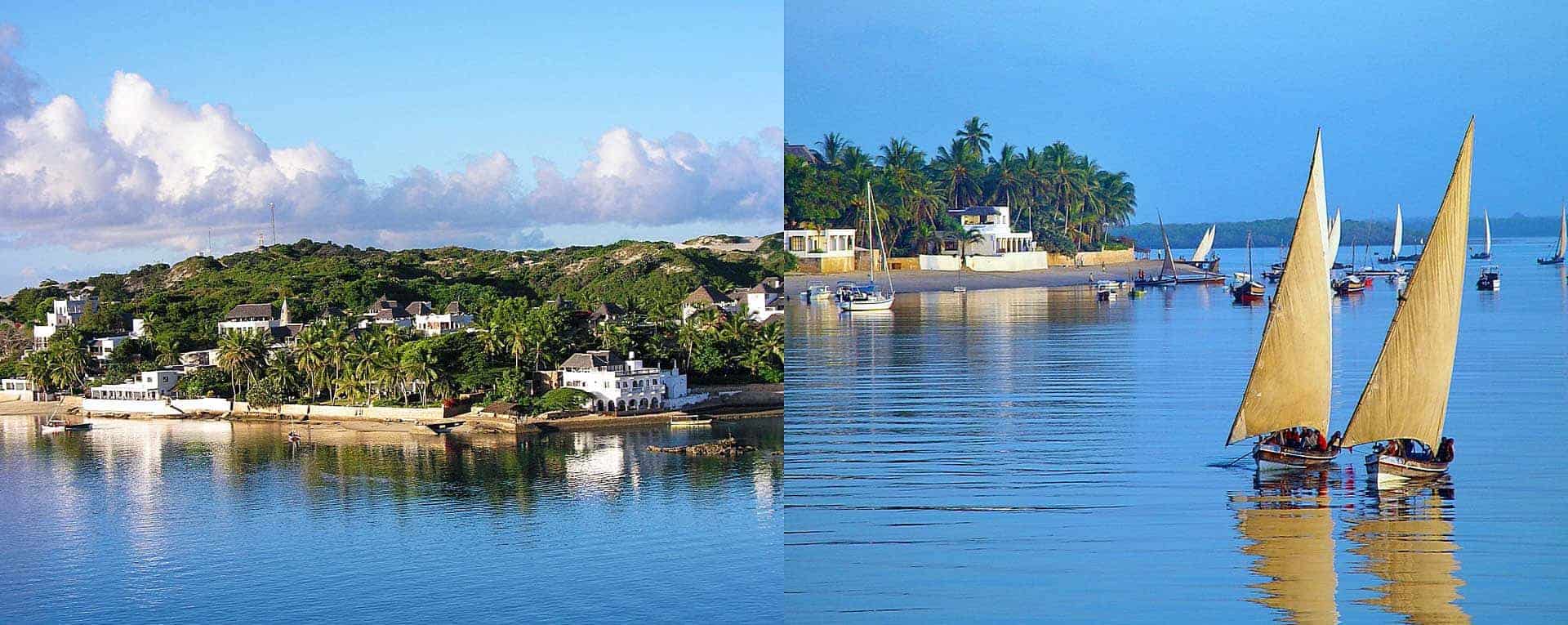
Lamu Island
Lamu Island
Lamu Island: A Hidden Gem of Swahili Culture and Coastal Serenity
Introduction
Nestled along the northeastern coast of Kenya, Lamu Island is a captivating blend of ancient Swahili culture, pristine beaches, and timeless charm. As one of the oldest and best-preserved Swahili settlements in East Africa, this UNESCO World Heritage Site offers travelers a unique escape from the modern world. With no cars, centuries-old architecture, and a rich tapestry of traditions, Lamu is not just a destination—it’s a journey into history, tranquility, and cultural depth.
In this comprehensive guide, we’ll explore everything you need to know about Lamu Island—from its fascinating history and cultural heritage to its stunning beaches, culinary delights, and eco-tourism opportunities. Whether you’re a history buff, a beach lover, or a curious traveler looking for an off-the-beaten-path adventure, Lamu has something to offer.
History and Heritage
Lamu’s origins trace back to the 14th century, making it one of the oldest continually inhabited towns in Kenya. It was a vital trading hub in the Indian Ocean trade network, connecting Africa, the Middle East, India, and beyond. The island flourished through commerce in spices, ivory, and slaves, and its strategic location made it a melting pot of cultures.
The town’s historical significance is preserved in its narrow alleyways, coral stone houses, and intricately carved wooden doors. Lamu was once a center of Islamic scholarship, and its mosques and religious schools still stand as testaments to its spiritual legacy.
Key Historical Highlights:
- Lamu Old Town: A UNESCO World Heritage Site known for its authentic Swahili architecture.
- Fort Lamu: Built in the early 19th century, it now houses a museum showcasing the island’s history.
- Riyadha Mosque: One of the oldest and most important Islamic centers in East Africa.
Swahili Architecture and Urban Design
Lamu’s architectural identity is deeply rooted in Swahili culture, blending African, Arab, Persian, and Indian influences. The town’s layout is a labyrinth of narrow streets, designed to provide shade and privacy, with homes built from coral stone and mangrove timber.
Distinctive Features:
- Carved Wooden Doors: Each door tells a story, often adorned with Quranic inscriptions and floral motifs.
- Flat Roofs and Courtyards: Designed for ventilation and family gatherings.
- Stucco Walls: Often painted in white or earth tones, reflecting the sun’s heat.
This architectural style is not only aesthetically pleasing but also environmentally sustainable, making use of local materials and passive cooling techniques.
Top Attractions in Lamu
Lamu Island offers a wealth of attractions that cater to diverse interests. From historical landmarks to natural wonders, here are some must-visit sites:
Historical and Cultural Sites
- Lamu Museum: Showcasing Swahili culture, maritime history, and traditional crafts.
- Donkey Sanctuary: A unique center dedicated to the welfare of Lamu’s primary mode of transport.
- Takwa Ruins: Located on nearby Manda Island, these ruins are remnants of a 15th-century Swahili town.
Natural Attractions
- Shela Village: A serene and upscale village known for its beautiful beach and boutique hotels.
- Manda Bay: A tranquil spot ideal for kayaking, snorkeling, and birdwatching.
- Kiunga Marine National Reserve: A protected area teeming with marine biodiversity, including coral reefs and sea turtles.
Beaches and Natural Beauty
Lamu’s coastline is a paradise of soft sands, clear waters, and swaying palms. The beaches are largely untouched, offering a peaceful retreat far from the crowds.
Top Beaches:
- Shela Beach: A stunning stretch of white sand perfect for long walks, yoga, and sunset views.
- Kizingo Beach: Located at the western tip of the island, ideal for solitude and nature lovers.
- Manda Island Beaches: Accessible by dhow, these beaches offer excellent snorkeling and picnicking spots.
Activities to Enjoy:
- Dhow sailing at sunset
- Snorkeling and diving in coral reefs
- Fishing trips with local guides
- Birdwatching in mangrove forests
Cultural Experiences
Lamu’s rich culture is best experienced through its festivals, daily life, and interactions with locals. The island is a bastion of Swahili traditions, where Islamic practices, oral storytelling, and artisanal crafts thrive.
Notable Cultural Events:
- Lamu Cultural Festival: Celebrates Swahili heritage with donkey races, dhow competitions, poetry, and music.
- Maulidi Festival: A religious event marking the Prophet Muhammad’s birthday, attracting pilgrims from across the region.
- Yoga Festival: A week-long wellness event that draws international yoga enthusiasts.
Local Crafts and Arts:
- Wood carving: Especially the famous Lamu doors and furniture.
- Tinga Tinga paintings: Vibrant artworks depicting African life and folklore.
- Kikoi and Kanga fabrics: Traditional garments with colorful patterns and Swahili sayings.
Lamu Cuisine: A Taste of the Coast
Lamu’s culinary scene is a delightful fusion of African, Arab, Indian, and Persian flavors. The use of coconut, spices, and fresh seafood defines the local gastronomy.
Must-Try Dishes:
- Biryani and Pilau: Fragrant rice dishes infused with spices and meat or seafood.
- Viazi Karai: Deep-fried potatoes served with tangy tamarind sauce.
- Samaki wa Kupaka: Grilled fish in a rich coconut sauce.
- Mandazi: Swahili doughnuts, perfect with spiced tea.
Popular Eateries:
- Peponi Hotel Restaurant: A Shela favorite known for its seafood and cocktails.
- Whispers Café: Offers fresh juices, pastries, and light meals.
- Seafront Café: A local spot with authentic Swahili dishes and ocean views.
Eco-Tourism and Sustainable Travel
Lamu is a leader in sustainable tourism, with many lodges and initiatives focused on preserving the island’s fragile ecosystem and cultural heritage.
Eco-Friendly Activities:
- Mangrove reforestation: Participate in conservation efforts.
- Community tours: Learn from local artisans and fishermen.
- Plastic-free initiatives: Many hotels promote zero-waste practices.
Responsible Travel Tips:
- Respect local customs and dress modestly.
- Support local businesses and guides.
- Avoid single-use plastics and use reef-safe sunscreen.
How to Get to Lamu Island
Despite its remote location, reaching Lamu is relatively straightforward.
Travel Options:
- By Air: Daily flights from Nairobi and Mombasa to Manda Airport, followed by a short boat ride.
- By Road and Boat: Travel to Mokowe by road, then cross by ferry or dhow.
- By Sea: Some adventurous travelers arrive via private yachts or dhows.
Best Time to Visit
Lamu enjoys a tropical climate with two main seasons:
- Dry Season (July to October, January to March): Ideal for beach activities and festivals.
- Rainy Season (April to June, November to December): Fewer tourists and lush landscapes.
Where to Stay
Lamu offers a range of accommodations, from luxury villas to budget guesthouses.
Recommended Stays:
- Peponi Hotel: Iconic beachfront hotel in Shela.
- The Majlis Resort: A luxury boutique hotel on Manda Island.
- Banana House & Wellness Centre: A tranquil retreat with yoga and organic food.
- JamboHouse: Budget-friendly with great hospitality.
Travel Tips and Safety
While Lamu is generally safe, travelers should remain informed and respectful.
Safety Tips:
- Stay updated on travel advisories.
- Dress modestly, especially in town.
- Avoid walking alone at night in unfamiliar areas.
- Use registered guides and boats.
Frequently Asked Questions
1. Is Lamu Island safe for tourists?
Yes, Lamu is considered safe, especially in tourist areas like Shela and Lamu Town. However, always check travel advisories before your trip and follow local guidelines.
2. What is the best way to get around Lamu?
There are no cars on the island. Locals use donkeys, bicycles, and dhows. Walking is the most common and enjoyable way to explore.
3. Can I use credit cards in Lamu?
Cash is king in Lamu. While some hotels accept cards, most local businesses prefer Kenyan Shillings. ATMs are available but limited.
4. What should I wear in Lamu?
Lamu is a predominantly Muslim community. Modest clothing is appreciated—cover shoulders and knees, especially in town.
5. Are there any health precautions?
Bring mosquito repellent and consider malaria prophylaxis. Drink bottled or filtered water and avoid raw street food unless from a trusted source.
Conclusion
Lamu Island is more than a destination—it’s a living museum, a cultural sanctuary, and a tropical haven. Whether you’re wandering through the ancient streets of Lamu Town, sailing into the sunset on a dhow, or savoring the flavors of Swahili cuisine, the island offers a deeply enriching experience.
As global tourism continues to evolve, Lamu stands as a model of sustainable and culturally immersive travel. It invites you not just to visit, but to connect—with history, with nature, and with a way of life that has endured for centuries.
So, if you’re seeking a destination that’s off the beaten path yet rich in soul, Lamu Island awaits.