
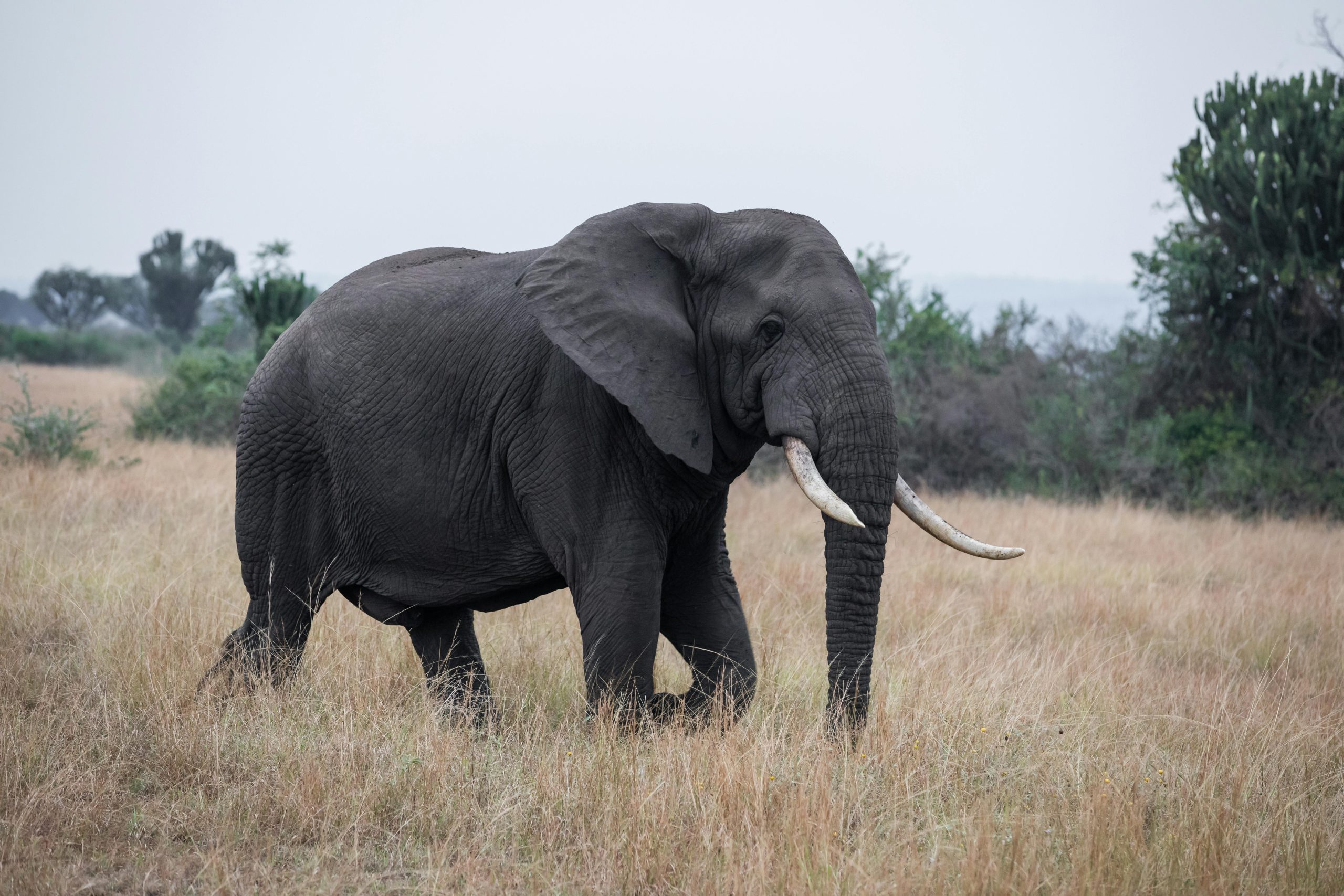
Planning a Safari in Uganda
Planning a Safari in Uganda
The Ultimate Guide to Planning a Safari in Uganda: Discover the Pearl of Africa
Uganda, often referred to as the “Pearl of Africa,” is a captivating destination for wildlife enthusiasts, adventure seekers, and nature lovers. Nestled in East Africa, this lush country offers an unparalleled safari experience, combining the thrill of spotting the Big Five with the rare opportunity to encounter mountain gorillas in their natural habitat. Planning a safari in Uganda requires careful preparation, insightful knowledge, and a touch of wanderlust. This comprehensive guide will walk you through everything you need to know to make your Ugandan safari an unforgettable journey.
Why Choose Uganda for Your Safari?
Uganda stands out among African safari destinations for its biodiversity, dramatic landscapes, and unique wildlife encounters. Here’s why it should be at the top of your bucket list:
- Home to Half of the World’s Mountain Gorillas: Uganda is one of the only three countries where you can trek to see mountain gorillas in the wild.
- Diverse Ecosystems: From the misty Bwindi Impenetrable Forest to the sprawling savannahs of Queen Elizabeth National Park.
- Less Crowded: Compared to Kenya or Tanzania, Uganda offers a more intimate and less commercialized safari experience.
- Birdwatcher’s Paradise: With over 1,000 bird species, Uganda is a top destination for ornithologists.
Best Time to Go on Safari in Uganda
Uganda’s equatorial climate allows for year-round travel, but certain months offer better wildlife viewing conditions.
Dry Seasons (Best for Safari)
- June to August
- December to February
During these months, animals gather around water sources, making them easier to spot. Trails are also drier, which is ideal for gorilla and chimpanzee trekking.
Wet Seasons (Best for Bird Watching)
- March to May
- September to November
While rain can make travel more challenging, the lush landscapes and migratory birds make it worthwhile for certain travelers.
Top Safari Destinations in Uganda
1. Bwindi Impenetrable National Park
A UNESCO World Heritage Site, Bwindi is famous for its gorilla trekking experiences. With over 400 gorillas, it’s the best place to witness these gentle giants in their natural habitat.
Highlights:
- Gorilla trekking permits required
- Rich biodiversity including monkeys, birds, and butterflies
- Community walks and cultural experiences with the Batwa people
2. Queen Elizabeth National Park
Known for its tree-climbing lions and scenic beauty, this park offers a classic safari experience.
Highlights:
- Game drives to see elephants, lions, buffalo, and more
- Boat cruises on the Kazinga Channel
- Birdwatching with over 600 species
3. Murchison Falls National Park
Uganda’s largest and oldest national park, Murchison Falls is where the Nile explodes through a narrow gorge.
Highlights:
- Spectacular Murchison Falls
- Nile boat safaris
- Abundant wildlife including giraffes, hippos, and crocodiles
4. Kibale National Park
The primate capital of the world, Kibale is ideal for chimpanzee tracking.
Highlights:
- Chimpanzee habituation experiences
- Forest walks
- Rich flora and fauna
5. Kidepo Valley National Park
Remote and wild, Kidepo offers an off-the-beaten-path adventure.
Highlights:
- Dramatic landscapes
- Unique wildlife like cheetahs and ostriches
- Cultural visits to the Karamojong tribes
How to Plan Your Safari in Uganda
Step 1: Choose Your Safari Type
- Gorilla Trekking Safari
- Classic Big Five Safari
- Birdwatching Safari
- Luxury or Budget Safari
- Cultural Safari
Step 2: Secure Gorilla and Chimpanzee Permits
Permits are limited and should be booked months in advance.
- Gorilla Permit: $800 USD per person
- Chimpanzee Permit: $250 USD per person
Step 3: Choose Your Accommodation
Uganda offers a range of lodging options:
- Luxury Lodges: Clouds Mountain Gorilla Lodge, Kyambura Gorge Lodge
- Mid-Range: Buhoma Lodge, Pakuba Safari Lodge
- Budget Camps: Red Chilli Rest Camp, Simba Safari Camp
Step 4: Plan Your Transportation
- Domestic Flights: Available to major parks via Aerolink Uganda
- Private Vehicles: 4×4 safari vehicles with guides
- Public Transport: Not recommended for safari travel
What to Pack for a Ugandan Safari
Packing smart is essential for comfort and safety.
Clothing
- Lightweight, neutral-colored clothing
- Long-sleeved shirts and trousers for trekking
- Waterproof jacket
- Hat and sunglasses
Gear
- Binoculars
- Camera with zoom lens
- Daypack for treks
- Reusable water bottle
Health & Safety
- Insect repellent
- Sunscreen
- First aid kit
- Prescription medications
Health and Safety Tips
- Vaccinations: Yellow fever (mandatory), Hepatitis A and B, Typhoid, Tetanus
- Malaria Prevention: Take antimalarial medication and use mosquito nets
- Travel Insurance: Ensure it covers medical evacuation and adventure activities
Cultural Etiquette and Responsible Travel
- Respect Local Customs: Dress modestly and ask before taking photos
- Support Local Communities: Buy local crafts and use community-run lodges
- Eco-Friendly Travel: Avoid single-use plastics and follow park rules
Budgeting Your Safari
Uganda offers safaris for every budget. Here’s a rough breakdown:
| Safari Type | Cost per Day (USD) |
|---|---|
| Budget | $150 – $250 |
| Mid-Range | $250 – $500 |
| Luxury | $500 – $1000+ |
Additional Costs:
- Gorilla Permit: $800
- Chimpanzee Permit: $250
- Park Entry Fees: $40–$50 per park
Unique Experiences to Add to Your Itinerary
- White-water rafting on the Nile in Jinja
- Cultural tour in Kampala
- Hiking the Rwenzori Mountains
- Visit Ziwa Rhino Sanctuary
- Explore Lake Bunyonyi by canoe
Sample 10-Day Uganda Safari Itinerary
Day 1: Arrival in Entebbe
Day 2: Transfer to Kibale for chimpanzee tracking
Day 3: Explore Bigodi Wetland Sanctuary
Day 4: Drive to Queen Elizabeth National Park
Day 5: Game drive and boat cruise
Day 6: Transfer to Bwindi Impenetrable Forest
Day 7: Gorilla trekking
Day 8: Visit Lake Bunyonyi
Day 9: Return to Kampala
Day 10: Departure
Frequently Asked Questions (FAQ)
1. Is Uganda safe for tourists?
Yes, Uganda is generally safe for travelers. Always use a trusted tour operator and follow local advice. For updates, check the Uganda Travel Advisory.
2. How difficult is gorilla trekking?
Gorilla trekking can be physically demanding due to steep terrain and dense forest. A moderate level of fitness is recommended. Porters are available to assist.
3. Do I need a visa to enter Uganda?
Most travelers require a visa, which can be obtained online via the Uganda Electronic Visa Portal.
4. What currency is used in Uganda?
The Ugandan Shilling (UGX) is the local currency. US dollars are widely accepted in tourism sectors. Credit cards are accepted in major hotels and lodges.
5. Can I combine a safari in Uganda with other countries?
Absolutely. Uganda is well connected to Kenya, Tanzania, and Rwanda, making it easy to plan a multi-country East African adventure.
Final Thoughts
Planning a safari in Uganda is more than just a vacation—it’s a transformative experience that brings you face-to-face with nature in its purest form. Whether you’re tracking gorillas through misty forests, cruising past hippos on the Nile, or watching lions prowl the savannah, Uganda delivers an adventure like no other.
By following this guide, you’ll be well-prepared to embark on a journey that is as enriching as it is exhilarating. Embrace the wild, respect the land, and let Uganda’s magic unfold before your eyes.