
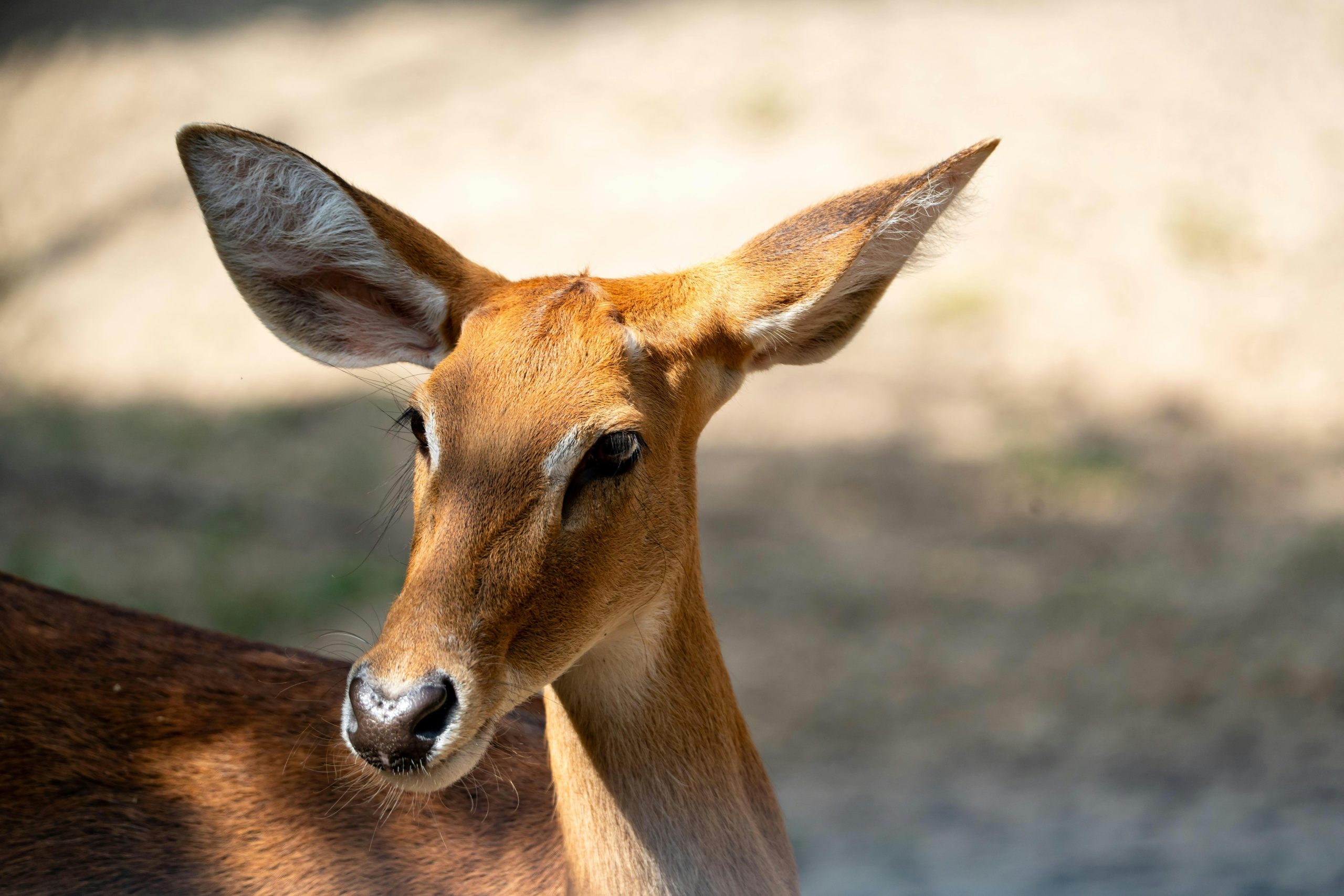
Photography Safari in Rwanda
Photography Safari in Rwanda
Ultimate Guide to a Photography Safari in Rwanda: Capture the Wild Heart of Africa
Introduction
Rwanda, the “Land of a Thousand Hills,” is an emerging gem for wildlife enthusiasts and photography aficionados. Nestled in the heart of East Africa, this small yet captivating country offers a unique blend of lush landscapes, rare wildlife, and rich cultural heritage. A photography safari in Rwanda is not just a journey through breathtaking scenery—it’s an immersive experience into the soul of Africa.
In this comprehensive guide, we’ll explore everything you need to know to plan the perfect photography safari in Rwanda—from the best national parks and wildlife encounters to expert photography tips and ethical travel practices. Whether you’re a seasoned photographer or a passionate beginner, this guide is your gateway to capturing Rwanda’s untamed beauty.
Why Choose Rwanda for a Photography Safari?
Rwanda offers a unique photographic experience unlike any other African destination. Here’s why:
- Home to the Endangered Mountain Gorillas: Rwanda is one of the only three countries where you can photograph mountain gorillas in the wild.
- Diverse Ecosystems: From misty rainforests to savannahs and volcanic mountains, Rwanda’s landscapes are a dream for nature photographers.
- Compact and Accessible: With well-maintained roads and short travel distances, you can explore multiple ecosystems in a single trip.
- Safe and Welcoming: Rwanda is one of the safest countries in Africa, with a stable government and a strong commitment to conservation.
Best Photography Safari Destinations in Rwanda
Volcanoes National Park
Volcanoes National Park is the crown jewel of Rwandan wildlife photography. Located in the northwest, it’s famous for its population of endangered mountain gorillas.
What to Photograph:
- Mountain Gorillas: Capture intimate moments of gorilla families in their natural habitat.
- Golden Monkeys: These playful primates offer dynamic photo opportunities.
- Volcanic Landscapes: Mist-covered peaks and dense bamboo forests provide dramatic backdrops.
Photography Tips:
- Use a fast lens (f/2.8 or wider) for low-light conditions in the forest.
- Keep shutter speed high to freeze motion during gorilla interactions.
- Respect the 7-meter distance rule to protect the gorillas.
Akagera National Park
Akagera National Park is Rwanda’s only savannah park and offers a classic African safari experience with a twist.
Wildlife Highlights:
- Big Five: Lions, elephants, leopards, rhinos, and buffalo.
- Birdlife: Over 500 species, including the rare shoebill stork.
- Scenic Lakes: Lake Ihema and others reflect golden sunsets and attract hippos and crocodiles.
Photography Tips:
- Early morning and late afternoon offer the best light.
- Use a telephoto lens (200mm or more) for distant wildlife.
- Experiment with reflections and silhouettes during sunrise/sunset.
Nyungwe Forest National Park
Nyungwe Forest is a haven for biodiversity and a paradise for macro and bird photographers.
What to Capture:
- Chimpanzees: Fast-moving and expressive, they’re a challenge worth the effort.
- Canopy Walkway: Offers aerial views of the rainforest.
- Orchids and Butterflies: Ideal for macro photography.
Photography Tips:
- Use burst mode for fast-moving primates.
- Bring a macro lens for close-ups of flora and insects.
- A tripod is useful for long exposure shots in low light.
Best Time for a Photography Safari in Rwanda
Rwanda has a temperate tropical climate, making it suitable for year-round travel. However, the best times for photography are:
- Dry Season (June to September & December to February):
- Clear skies and better visibility.
- Easier trekking conditions for gorilla and chimpanzee tracking.
- Wildlife congregates around water sources in Akagera.
- Wet Season (March to May & October to November):
- Lush, green landscapes.
- Dramatic cloud formations and moody lighting.
- Fewer tourists, offering more intimate experiences.
Essential Photography Gear for a Rwandan Safari
Packing the right gear is crucial for capturing stunning images. Here’s a checklist:
Camera Equipment:
- DSLR or Mirrorless Camera with manual settings
- Telephoto Lens (70-200mm or 100-400mm)
- Wide-Angle Lens (16-35mm) for landscapes
- Macro Lens for close-ups of flora and insects
- Extra Batteries and Memory Cards
- Tripod or Monopod (lightweight and portable)
Accessories:
- Lens Cleaning Kit (dust and humidity are common)
- Rain Cover for camera and backpack
- Polarizing Filter to reduce glare and enhance colors
- Portable Power Bank for charging on the go
Ethical Wildlife Photography in Rwanda
As a responsible photographer, it’s essential to minimize your impact on the environment and wildlife. Here’s how:
- Respect Distance Guidelines: Especially during gorilla and chimpanzee treks.
- Avoid Flash Photography: It can startle animals and disrupt their behavior.
- Stay on Designated Trails: Prevents habitat destruction.
- Support Local Guides and Communities: Choose eco-friendly lodges and tour operators.
Cultural Photography Opportunities
Rwanda is not just about wildlife. Its people, traditions, and post-genocide resilience offer profound storytelling opportunities.
Where to Go:
- Kigali: Capture vibrant street life, markets, and the Kigali Genocide Memorial.
- Iby’iwacu Cultural Village: Document traditional Rwandan dance, crafts, and daily life.
- Lake Kivu: Fishermen, lakeside villages, and stunning sunsets.
Tips for Cultural Photography:
- Always ask for permission before photographing people.
- Learn a few phrases in Kinyarwanda—it goes a long way.
- Focus on storytelling: expressions, hands at work, and daily rituals.
Sample 7-Day Photography Safari Itinerary in Rwanda
| Day | Destination | Activities | Photo Opportunities |
|---|---|---|---|
| 1 | Kigali | Arrival, city tour | Street scenes, markets |
| 2 | Volcanoes NP | Gorilla trekking | Mountain gorillas, forest |
| 3 | Volcanoes NP | Golden monkey trek | Action shots, bamboo forest |
| 4 | Lake Kivu | Travel, sunset shoot | Landscapes, fishermen |
| 5 | Nyungwe NP | Chimpanzee trek | Primate action, rainforest |
| 6 | Nyungwe NP | Canopy walk | Aerial shots, flora |
| 7 | Kigali | Departure | Cultural portraits |
Top Lodges for Photographers in Rwanda
Choosing the right accommodation can enhance your safari experience. Here are some photographer-friendly lodges:
- Bisate Lodge (Volcanoes NP): Offers views of the volcanoes and eco-luxury.
- Magashi Camp (Akagera NP): Overlooks Lake Rwanyakazinga, ideal for sunrise shots.
- One&Only Nyungwe House: Nestled in a tea plantation with access to the forest.
Post-Processing Tips for Safari Photos
Editing is where your images come to life. Here’s how to enhance your safari shots:
- Use Lightroom or Capture One for RAW editing.
- Adjust White Balance to correct forest color casts.
- Increase Contrast and Clarity for dramatic wildlife portraits.
- Crop for Composition but maintain resolution.
- Sharpen Eyes in animal portraits to draw focus.
Rwanda Photography Safari: Quick Tips
- Book Permits Early: Gorilla and chimpanzee permits are limited.
- Hire a Local Guide: They know the terrain and animal behavior.
- Be Patient: The best shots often require waiting.
- Stay Silent: Reduces stress on wildlife and improves your chance of natural behavior.
- Back Up Your Photos Daily: Use cloud storage or portable drives.
Frequently Asked Questions (FAQ)
1. Do I need a permit for gorilla photography in Rwanda?
Yes. A gorilla trekking permit is required and costs $1,500 per person. It includes a guided trek and one hour with a gorilla family.
2. What’s the best camera for a photography safari in Rwanda?
A DSLR or mirrorless camera with interchangeable lenses is ideal. Brands like Canon, Nikon, and Sony offer excellent options for wildlife and landscape photography.
3. Is it safe to travel with expensive camera gear in Rwanda?
Yes, Rwanda is one of the safest countries in Africa. However, always use common sense—don’t leave gear unattended and use lockable bags.
4. Can I use drones for aerial photography?
No. Drones are prohibited in national parks and require special government permission elsewhere. Always check with Rwanda Civil Aviation Authority before bringing a drone.
5. How physically demanding is a photography safari?
Gorilla and chimpanzee treks can be strenuous, involving steep climbs and dense forests. A moderate level of fitness is recommended.
Final Thoughts
A photography safari in Rwanda is more than a trip—it’s a transformative experience. From locking eyes with a silverback gorilla to capturing the golden hues of an Akagera sunrise, every moment is a frame-worthy story. With the right preparation, gear, and ethical mindset, you’ll return not only with stunning images but with memories that will last a lifetime.
So pack your camera, charge your batteries, and get ready to discover Rwanda—one click at a time.