
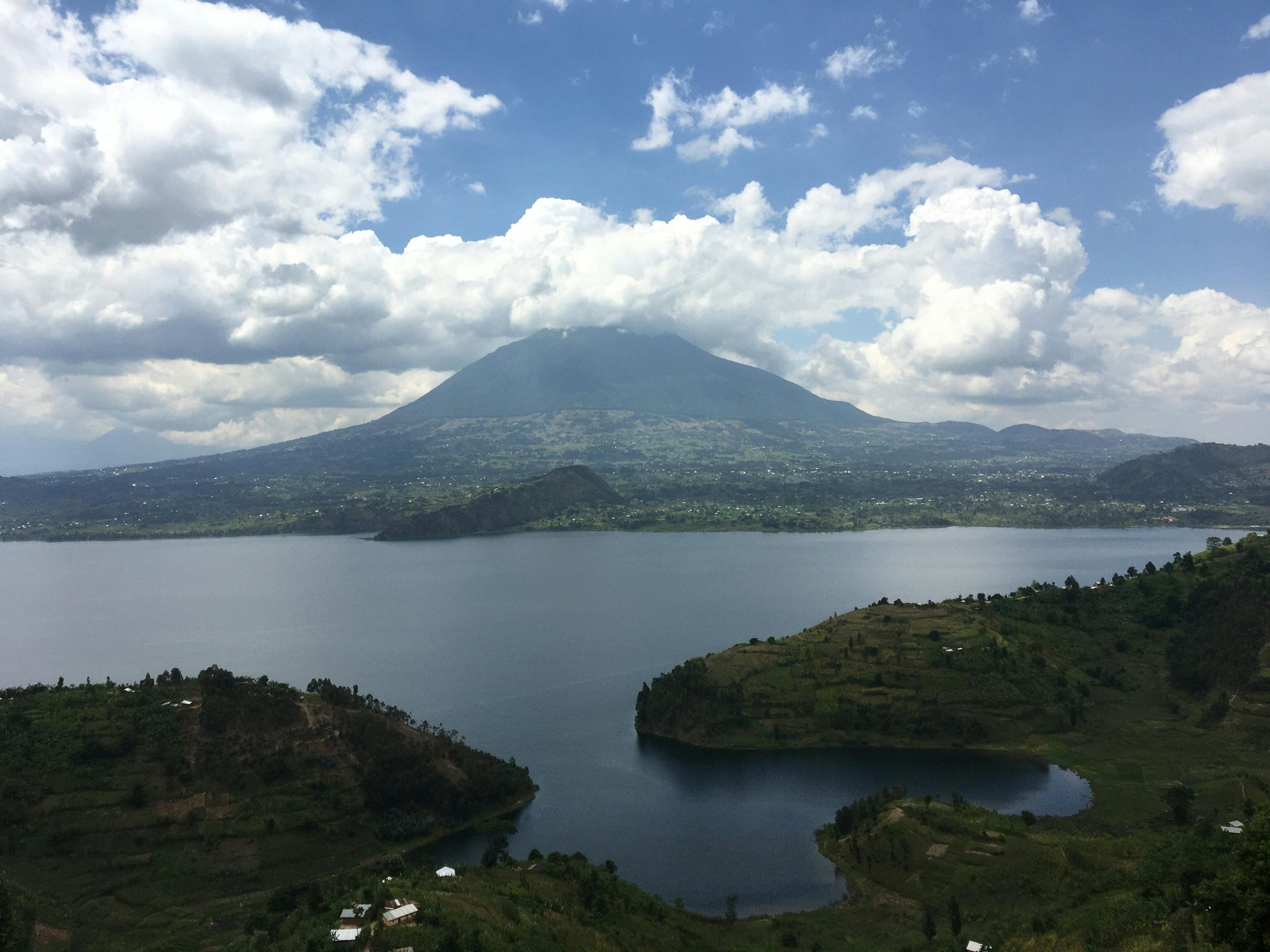
Safari in Rwanda
Safari in Rwanda
Ultimate Guide to Safari in Rwanda: Discover Africa’s Hidden Gem
Introduction
Nestled in the heart of East Africa, Rwanda is a land of breathtaking landscapes, rich biodiversity, and a profound cultural heritage. Often referred to as the “Land of a Thousand Hills,” Rwanda has emerged as a premier destination for eco-tourism and wildlife safaris. While it may be smaller in size compared to its neighbors, Rwanda offers a safari experience that is intimate, exclusive, and deeply immersive.
In this comprehensive guide, we delve into everything you need to know about embarking on a safari in Rwanda, from the majestic mountain gorillas of Volcanoes National Park to the Big Five of Akagera.
Why Choose Rwanda for a Safari?
A Unique Safari Experience
Unlike the vast plains of Kenya or Tanzania, Rwanda offers a more compact and accessible safari experience. The country’s well-maintained infrastructure, safety, and commitment to conservation make it ideal for travelers seeking both adventure and comfort.
Key Highlights
- Gorilla Trekking in Volcanoes National Park
- Big Five Game Drives in Akagera National Park
- Chimpanzee Tracking in Nyungwe Forest
- Birdwatching with over 700 species
- Cultural Encounters with local communities
Top Safari Destinations in Rwanda
1. Volcanoes National Park
Home to the endangered mountain gorillas, this iconic park is Rwanda’s crown jewel. Located in the northwestern part of the country, it forms part of the Virunga Mountains, a chain of volcanoes shared with Uganda and the Democratic Republic of Congo.
Activities:
- Gorilla trekking (permit required)
- Golden monkey tracking
- Hiking Mount Bisoke or Karisimbi
- Visiting the Dian Fossey Tomb
Travel Tips:
- Book your gorilla permit in advance
- Wear waterproof hiking boots and gloves
- Bring a rain jacket and layered clothing
2. Akagera National Park
Spanning over 1,120 square kilometers, Akagera is Rwanda’s only savannah park and home to the Big Five: lions, elephants, buffaloes, leopards, and rhinos. It offers a classic African safari experience with game drives, boat safaris, and birdwatching.
Highlights:
- Morning and evening game drives
- Boat trips on Lake Ihema
- Night safaris for nocturnal wildlife
- Over 500 bird species, including the rare shoebill stork
Best Time to Visit:
- Dry season (June to September) for optimal wildlife viewing
3. Nyungwe Forest National Park
This ancient rainforest is a biodiversity hotspot, ideal for primate lovers and nature enthusiasts. Nyungwe is home to 13 species of primates, including chimpanzees and colobus monkeys.
Must-Do Activities:
- Chimpanzee tracking
- Canopy walk adventure
- Nature hikes and birdwatching
- Tea plantation tours
Travel Essentials:
- Early morning starts for chimp tracking
- Binoculars for birdwatching
- Insect repellent and long-sleeved clothing
Best Time for a Safari in Rwanda
Rwanda enjoys a temperate tropical highland climate, making it a year-round destination. However, the best time for safaris and trekking is during the dry seasons:
- June to September: Ideal for gorilla trekking and game drives
- December to February: Great for chimpanzee tracking and birdwatching
Rainy Seasons:
- March to May
- October to November
While the rains can make trekking more challenging, they also bring lush scenery and fewer tourists.
Safari Accommodation in Rwanda
Rwanda offers a wide range of lodging options, from luxury eco-lodges to budget-friendly guesthouses. Here are some top picks:
Volcanoes National Park:
- Bisate Lodge
- Sabyinyo Silverback Lodge
- Five Volcanoes Boutique Hotel
Akagera National Park:
- Magashi Camp (luxury)
- Ruzizi Tented Lodge (mid-range)
- Karenge Bush Camp (seasonal)
Nyungwe Forest:
- One&Only Nyungwe House
- Nyungwe Top View Hill Hotel
Wildlife You Can Expect to See
Mammals:
- Mountain gorillas
- African elephants
- Lions
- Leopards
- Rhinos
- Buffaloes
- Zebras
- Giraffes
- Hippos
- Chimpanzees
Birds:
- Shoebill stork
- Great blue turaco
- Rwenzori turaco
- African fish eagle
- Sunbirds and hornbills
Reptiles and Amphibians:
- Nile crocodiles
- Chameleons
- Tree frogs
Cultural Safari Experiences
Rwanda’s safari is not just about wildlife; it’s also a journey into the soul of a resilient and vibrant nation. Cultural experiences enrich your adventure and support local communities.
Top Cultural Encounters:
- Iby’Iwacu Cultural Village near Volcanoes National Park
- Traditional Intore dance performances
- Kigali Genocide Memorial
- Local craft markets and cooperatives
Responsible Tourism and Conservation
Rwanda is a global leader in conservation and sustainable tourism. The country has implemented strict policies to protect its natural heritage while benefiting local communities.
Conservation Milestones:
- Reintroduction of lions and rhinos to Akagera
- Community-based tourism models
- Gorilla permit revenues support local development
- Anti-poaching initiatives and ranger training
Safari Packing List
Essentials:
- Valid passport and visa
- Yellow fever vaccination certificate
- Lightweight, neutral-colored clothing
- Waterproof hiking boots
- Binoculars and camera
- Sunscreen and insect repellent
Optional:
- Travel insurance
- Power bank and universal adapter
- Field guidebook
- Journal or travel diary
How to Get to Rwanda
By Air:
- Fly into Kigali International Airport (KGL)
- Major airlines: RwandAir, Qatar Airways, KLM, Turkish Airlines
By Land:
- Border crossings from Uganda, Tanzania, Burundi, and DRC
- Visa on arrival available for many nationalities
Travel Tips for a Seamless Safari
- Hire a local guide or join a reputable tour operator
- Respect wildlife and maintain a safe distance
- Avoid single-use plastics
- Learn a few words in Kinyarwanda
- Always carry cash for remote areas
Frequently Asked Questions (FAQ)
1. Is Rwanda safe for tourists?
Yes, Rwanda is one of the safest countries in Africa. It has low crime rates, a strong police presence, and a welcoming atmosphere for tourists. Always follow local guidelines and respect cultural norms.
2. How much does a gorilla trekking permit cost?
As of 2024, a gorilla permit costs $1,500 per person. This includes a guided trek and one hour with a gorilla family. The fee supports conservation and community projects.
3. Can I see the Big Five in Rwanda?
Yes, Akagera National Park is home to all Big Five animals. Lions and rhinos were reintroduced in recent years, making Rwanda a complete safari destination.
4. What is the best time to visit Rwanda for wildlife?
The dry seasons (June–September and December–February) offer the best wildlife viewing. Trails are more accessible, and animals are easier to spot near water sources.
5. Do I need a visa to enter Rwanda?
Most travelers can obtain a visa on arrival or apply online through the Rwanda eVisa portal. Citizens of the African Union, Commonwealth, and Francophonie countries can enter visa-free.
Final Thoughts
A safari in Rwanda is more than just a wildlife adventure—it’s a transformative journey through a country that has risen from its past to become a beacon of conservation and resilience. Whether you’re tracking gorillas through misty forests or watching elephants roam the savannah, Rwanda offers a safari experience that is both intimate and unforgettable.
From its pristine national parks to its vibrant culture and warm hospitality, Rwanda is a destination that deserves a top spot on every traveler’s bucket list.