
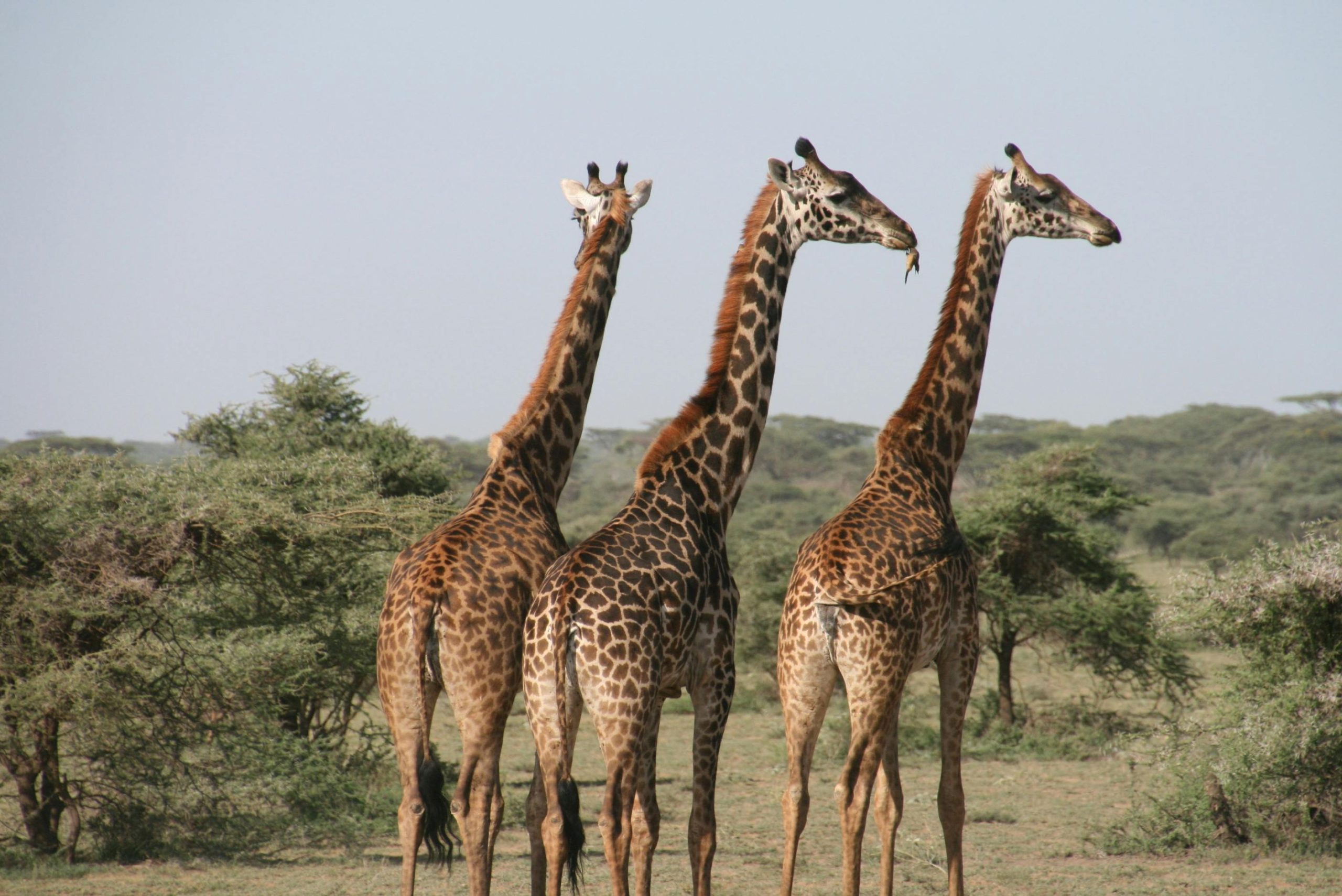
Planning a Safari in Kenya
Planning a Safari in Kenya
The Ultimate Guide to Planning a Safari in Kenya: Discover Africa’s Wild Heart
Introduction
Embarking on a safari in Kenya is not just a vacation—it’s a transformative journey into the untamed wilderness of East Africa. Kenya, a land of majestic savannahs, snow-capped mountains, and vibrant tribal cultures, offers one of the most authentic safari experiences on the planet. Whether you dream of witnessing the Great Migration, spotting the Big Five, or immersing yourself in Maasai traditions, Kenya delivers an unforgettable adventure.
In this comprehensive guide, we’ll explore everything you need to know about planning a safari in Kenya—from choosing the right time to go, selecting the best national parks, understanding the types of safaris available, to practical travel tips and cultural etiquette.
Why Choose Kenya for a Safari?
Kenya is often considered the birthplace of the safari. The word “safari” itself originates from the Swahili language, meaning “journey.” With its rich biodiversity, well-established tourism infrastructure, and iconic wildlife experiences, Kenya stands out as a top safari destination.
Highlights of a Kenyan Safari:
- Witness the awe-inspiring Great Migration
- Spot the Big Five (lion, elephant, buffalo, leopard, rhinoceros)
- Explore world-famous parks like the Maasai Mara, Amboseli, and Tsavo
- Interact with indigenous communities like the Maasai
- Enjoy luxurious lodges and eco-friendly camps
Best Time to Visit Kenya for a Safari
Seasonal Overview:
Kenya has a diverse climate influenced by altitude and geography. However, the best time to go on a safari generally falls within the dry seasons.
- June to October: Peak safari season; dry weather and excellent wildlife viewing
- July to September: Prime time for the Great Wildebeest Migration
- December to March: Another dry season with fewer tourists
- April to May: Rainy season; lush landscapes but challenging game drives
Month-by-Month Breakdown:
| Month | Conditions | Highlights |
|---|---|---|
| January | Warm & dry | Calving season in Maasai Mara |
| February | Dry | Ideal for bird watching |
| March | Start of rains | Fewer crowds |
| April | Heavy rains | Green landscapes |
| May | Rain continues | Budget-friendly |
| June | Dry begins | Wildlife congregates |
| July | Peak migration | Excellent game viewing |
| August | Cool & dry | Best for photography |
| September | Dry | Migration continues |
| October | Short rains start | Less crowded |
| November | Short rains | Migratory birds arrive |
| December | Dry resumes | Festive safari experiences |
Top Safari Destinations in Kenya
1. Maasai Mara National Reserve
Arguably the crown jewel of Kenyan safaris, the Maasai Mara is famed for its rolling plains, abundant wildlife, and the dramatic river crossings of the Great Migration.
Key Attractions:
- Big cat sightings (lions, cheetahs, leopards)
- Balloon safaris at dawn
- Cultural visits to Maasai villages
2. Amboseli National Park
Set against the backdrop of Mount Kilimanjaro, Amboseli is known for its large elephant herds and stunning views.
Highlights:
- Iconic elephant photography
- Birdwatching paradise
- Observation Hill viewpoint
3. Tsavo National Parks (East & West)
Together, Tsavo East and West form Kenya’s largest protected area, offering rugged terrain and fewer tourists.
What to Expect:
- Red-dusted elephants
- Lava flows and natural springs
- Off-the-beaten-path experience
4. Lake Nakuru National Park
A haven for bird lovers, Lake Nakuru is renowned for its flamingo-filled shores and rhino sanctuary.
Top Features:
- White and black rhinos
- Waterfalls and acacia forests
- Flamingo colonies
5. Samburu National Reserve
Located in the arid north, Samburu offers unique species not found elsewhere in Kenya.
Unique Wildlife:
- Grevy’s zebra
- Somali ostrich
- Reticulated giraffe
Types of Safaris in Kenya
🛻 Game Drive Safaris
The most common and accessible form of safari. You’ll explore the park in a 4×4 vehicle with a professional guide.
Pros:
- Comfortable and safe
- Great for photography
- Customizable itineraries
🥾 Walking Safaris
Led by armed rangers, walking safaris offer a more intimate experience with nature.
Ideal For:
- Adventurous travelers
- Learning about flora and tracking
🎈 Balloon Safaris
Soar above the savannah at sunrise for a bird’s-eye view of the wildlife.
Best Locations:
- Maasai Mara
- Amboseli
🐴 Horseback Safaris
Ride alongside zebras and antelopes for a unique perspective.
Available In:
- Laikipia Plateau
- Chyulu Hills
Choosing the Right Safari Package
Factors to Consider:
- Budget: Ranges from budget camping safaris to luxury lodges
- Duration: From 3-day getaways to 2-week expeditions
- Interests: Photography, birding, cultural immersion, family-friendly
Where to Stay: Lodges vs. Camps
🏨 Luxury Lodges
- All-inclusive amenities
- Fine dining and spa services
- Private game drives
⛺ Tented Camps
- Eco-friendly and immersive
- Close to nature
- Often located in prime wildlife areas
🛏️ Budget Accommodations
- Campsites and hostels
- Shared facilities
- Ideal for backpackers
Travel Tips for a Seamless Safari
📋 Visa and Entry Requirements
- Most travelers need an eVisa
- Passport must be valid for 6 months
💉 Health and Safety
- Vaccinations: Yellow fever, typhoid, hepatitis A
- Malaria prophylaxis recommended
- Travel insurance is essential
🧳 What to Pack
- Neutral-colored clothing
- Binoculars and camera gear
- Insect repellent and sunscreen
- Reusable water bottle
📱 Connectivity
- Safaricom and Airtel offer good coverage
- Wi-Fi available in most lodges
Cultural Etiquette and Responsible Tourism
Respect Local Customs:
- Ask before photographing people
- Dress modestly in villages
- Learn basic Swahili greetings
Support Conservation:
- Choose eco-certified lodges
- Avoid single-use plastics
- Donate to wildlife charities like David Sheldrick Wildlife Trust
Sample 7-Day Safari Itinerary
Day 1: Arrival in Nairobi
- Overnight at Giraffe Manor
Day 2–3: Amboseli National Park
- Game drives & Kilimanjaro views
Day 4–5: Lake Nakuru
- Rhino tracking & birdwatching
Day 6–7: Maasai Mara
- Witness the Great Migration
- Balloon safari & Maasai village visit
Frequently Asked Questions (FAQ)
1. Is Kenya safe for safari travel?
Yes, Kenya is generally safe for tourists, especially in national parks and reserves. Always use reputable tour operators and follow local advice.
2. How much does a safari in Kenya cost?
Prices vary widely:
- Budget: $100–$200/day
- Mid-range: $250–$500/day
- Luxury: $600–$1500/day
3. Do I need travel insurance for a Kenyan safari?
Absolutely. Travel insurance should cover medical emergencies, trip cancellations, and evacuations.
4. What animals will I see on safari?
Expect to see lions, elephants, giraffes, zebras, wildebeests, hippos, crocodiles, and over 1,000 bird species.
5. Can I go on a safari with children?
Yes! Many lodges offer family-friendly safaris with activities tailored for kids.
Conclusion
Planning a safari in Kenya is a thrilling endeavor that promises memories to last a lifetime. From the golden plains of the Maasai Mara to the elephant herds of Amboseli, Kenya offers a kaleidoscope of wildlife, landscapes, and cultures. By choosing the right time, destination, and safari type, and by traveling responsibly, you’ll not only enjoy an epic adventure but also contribute to the preservation of Kenya’s natural heritage.