
History of Karamoja Region
History of Karamoja Region
The Untold History of the Karamoja Region: From Ancient Traditions to Modern Transformation
Introduction
Nestled in the northeastern corner of Uganda, the Karamoja region is a land of stark beauty, rich cultural heritage, and complex historical narratives. Often misunderstood and marginalized, Karamoja has a history that stretches back centuries, interwoven with tales of resilience, migration, pastoralism, and colonial encounters. This article delves deep into the history of Karamoja, exploring its ancient roots, the evolution of its societies, the impact of colonialism, and its ongoing journey toward modernization and integration within Uganda and the greater East African region.
Geographical and Cultural Overview
Karamoja is located in the northeastern part of Uganda, bordering Kenya and South Sudan. The region is characterized by semi-arid savannahs, rugged hills, and seasonal rivers. It spans approximately 27,200 square kilometers and is home to over 1.2 million people, predominantly from the Karimojong ethnic group.
Key Geographical Features
- Mount Moroto: A prominent landmark and sacred site.
- Matheniko and Bokora Wildlife Reserves: Protected areas rich in biodiversity.
- Seasonal Rivers: Including the Lokichar and Lopei, vital for pastoral life.
Karamoja’s climate and terrain have historically shaped its inhabitants’ way of life, particularly their reliance on pastoralism, which remains central to their identity.
Ancient Origins and Early Settlements
The history of human settlement in Karamoja dates back thousands of years. Archaeological evidence suggests that the region was inhabited during the Neolithic period, with early communities practicing rudimentary agriculture and animal domestication.
Migration Patterns
Historians and anthropologists believe that the ancestors of the Karimojong migrated from present-day Ethiopia during the 1600s. This movement was part of a larger southward migration of Nilotic-speaking peoples across East Africa.
- The Ateker Cluster: The Karimojong are part of the Ateker group, which includes the Turkana of Kenya, the Toposa of South Sudan, and the Iteso of Uganda.
- Cultural Diffusion: These migrations facilitated the exchange of language, customs, and social structures across the region.
The Karimojong People: Identity and Social Structure
The Karimojong are renowned for their strong cultural identity, deeply rooted in pastoralism, clan systems, and oral traditions. Their society is organized around age-sets and clans, which dictate roles, responsibilities, and social hierarchy.
Social Organization
- Clans: Each clan has its own totems, taboos, and ancestral lineage.
- Age-Sets: Male members are initiated into age-sets, which serve as military and political units.
- Elders: Hold significant authority in decision-making and conflict resolution.
Cultural Practices
- Initiation Ceremonies: Mark transitions from youth to adulthood.
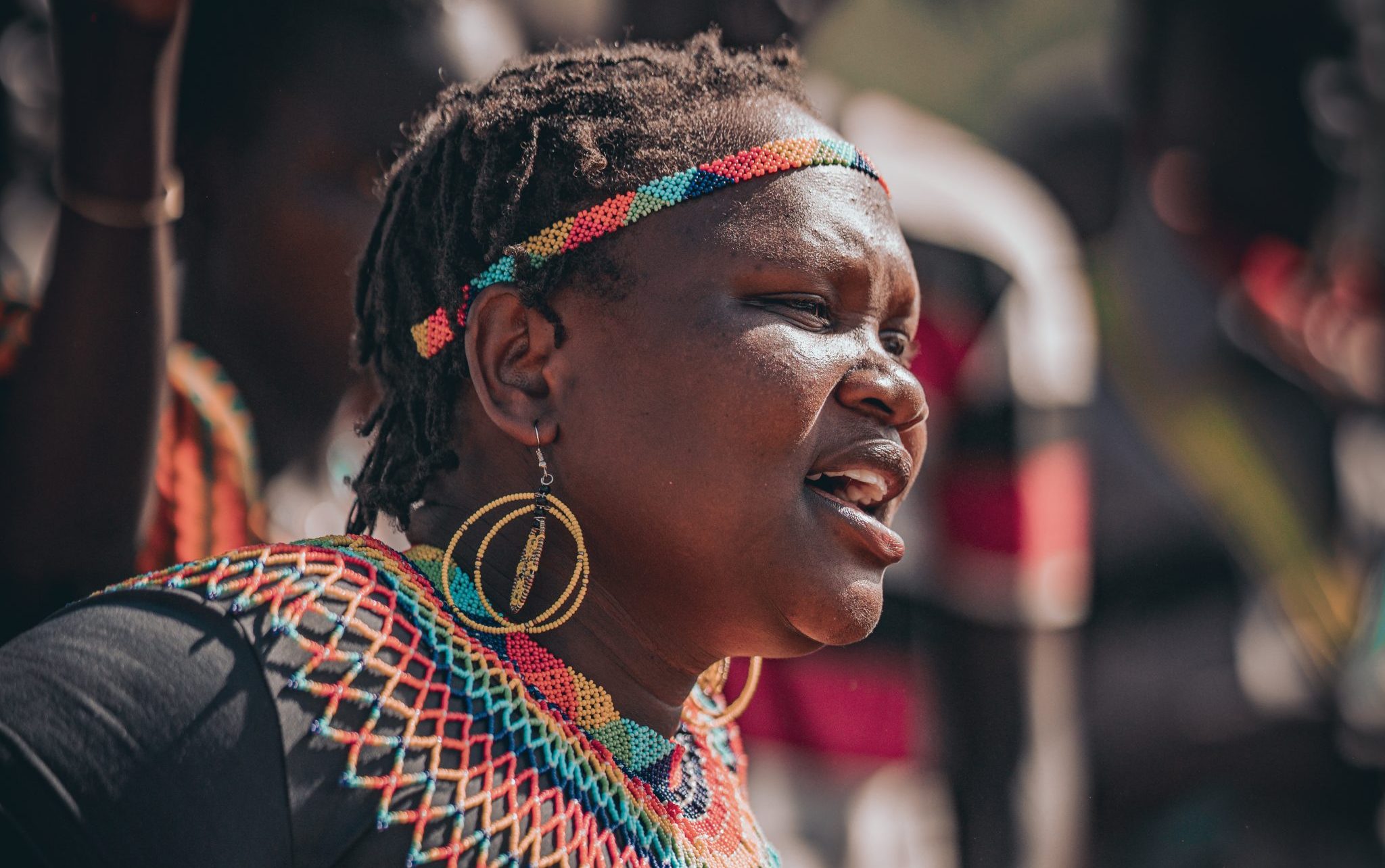
- Traditional Dress: Includes beads, animal skins, and elaborate hairstyles.
- Music and Dance: Integral to celebrations and storytelling.
The Karimojong’s cultural resilience has enabled them to maintain their identity despite external pressures and modernization.
Colonial Encounters and Resistance
The arrival of British colonialists in the late 19th century marked a turning point in Karamoja’s history. The region was incorporated into the Uganda Protectorate in 1911 but remained largely autonomous due to its perceived remoteness and hostility.
British Colonial Policies
- Pacification Campaigns: The British conducted military operations to subdue resistance.
- Disarmament Efforts: Attempts to confiscate weapons from the Karimojong met with fierce opposition.
- Isolationist Policies: Karamoja was designated a “closed district,” restricting movement and development.
Resistance Movements
The Karimojong resisted colonial rule through both armed conflict and passive non-compliance. Their resistance was fueled by a desire to protect their land, cattle, and way of life.
Post-Independence Challenges
Following Uganda’s independence in 1962, Karamoja faced a new set of challenges. Successive governments struggled to integrate the region into the national framework, often resorting to coercive policies.
Key Issues
- Underdevelopment: Lack of infrastructure, education, and healthcare services.
- Insecurity: Persistent cattle raids and inter-clan conflicts.
- Marginalization: Political and economic neglect by central authorities.
The 1980s Crisis
A severe famine in 1980–1981 devastated the region, leading to widespread starvation and international humanitarian intervention. This crisis highlighted the vulnerability of Karamoja’s pastoral economy and the need for sustainable development.
Modernization and Development Efforts
In recent decades, there have been concerted efforts to modernize Karamoja and improve the livelihoods of its people. These initiatives have been spearheaded by the Ugandan government, NGOs, and international donors.
Development Programs
- Karamoja Integrated Development Plan (KIDP): A government-led initiative focusing on infrastructure, education, and health.
- Alternative Livelihood Programs: Encouraging agro-pastoralism and vocational training.
- Disarmament Campaigns: Aimed at reducing armed violence and promoting peace.
Infrastructure Improvements
- Road Construction: Enhancing connectivity with the rest of Uganda.
- Health Facilities: New hospitals and clinics have been established.
- Education: Increased enrollment in primary and secondary schools.
Despite these efforts, challenges remain, particularly in balancing development with cultural preservation.
Cultural Preservation and Tourism
Karamoja’s unique culture and landscapes have become a focal point for cultural tourism. Efforts are underway to promote sustainable tourism that benefits local communities while preserving their heritage.
Attractions
- Traditional Villages: Visitors can experience authentic Karimojong life.
- Wildlife Safaris: In Kidepo Valley National Park, one of Africa’s most remote and pristine parks.
- Cultural Festivals: Celebrations showcasing music, dance, and traditional crafts.
Benefits of Tourism
- Economic Empowerment: Provides income for local artisans and guides.
- Cultural Exchange: Fosters understanding between communities and visitors.
- Conservation Awareness: Encourages protection of natural and cultural resources.
The Future of Karamoja
Karamoja stands at a crossroads between tradition and modernity. The region’s future depends on inclusive policies, sustainable development, and the empowerment of its people.
Strategic Priorities
- Education and Youth Empowerment
- Climate Resilience and Sustainable Agriculture
- Peacebuilding and Conflict Resolution
- Cultural Revitalization and Documentation
With the right investments and respect for its heritage, Karamoja can emerge as a model for culturally sensitive development in Africa.
Frequently Asked Questions
1. What is the origin of the Karimojong people?
The Karimojong are part of the Ateker group of Nilotic origin, believed to have migrated from present-day Ethiopia in the 1600s. Their migration was driven by environmental changes and inter-ethnic conflicts.
2. Why was Karamoja isolated during colonial rule?
The British considered Karamoja a hostile and unproductive area. As a result, it was designated a “closed district,” limiting development and integration with the rest of Uganda.
3. What are the main economic activities in Karamoja?
Traditionally, the economy is based on pastoralism, particularly cattle herding. However, agro-pastoralism, trade, and tourism are emerging as alternative livelihoods.
4. How has modern development affected Karamoja?
Development has brought infrastructure, education, and health services, but also challenges such as cultural erosion and dependency on aid. Balancing progress with tradition remains a key issue.
5. Is Karamoja safe for tourists?
Yes, Karamoja is increasingly safe for tourists, especially in areas like Kidepo Valley National Park. Local and national authorities have improved security, and community-based tourism initiatives are thriving.
Conclusion
The history of Karamoja is a testament to the resilience and adaptability of its people. From ancient migrations to colonial resistance and modern development, the region has navigated immense challenges while preserving its unique identity. As Uganda and the world look toward inclusive and sustainable futures, Karamoja offers valuable lessons in cultural preservation, community empowerment, and the enduring strength of tradition.
For more insights into Uganda’s diverse regions and cultures, explore our Uganda history archive and East African heritage resources.
Stay connected with the story of Karamoja — a land where history lives, and the future is being written with every sunrise over the savannah.