
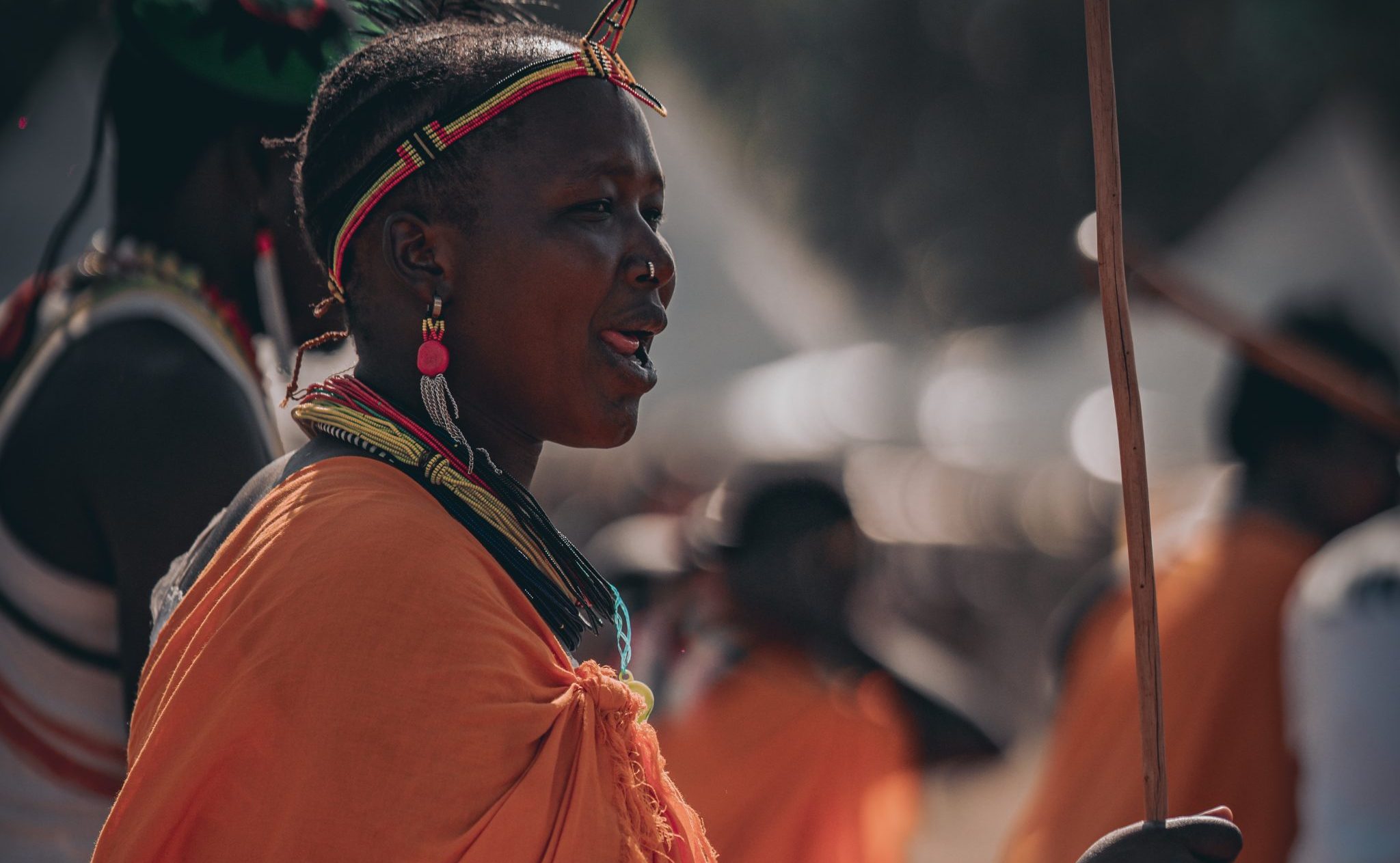
Karimojong Women
Karimojong Women
The Resilient Spirit of Karimojong Women: Culture, Strength, and Transformation in Uganda’s Northeast
Introduction
In the sun-scorched plains of Northeastern Uganda, the Karamoja region is home to one of the most culturally rich and resilient communities in East Africa — the Karimojong. Central to this society are the Karimojong women, whose roles, traditions, and evolving identities offer a profound insight into the intersection of heritage, gender, and transformation. This article explores the multifaceted lives of Karimojong women, examining their cultural significance, economic roles, challenges, and the winds of change reshaping their future.
Who Are the Karimojong?
The Karimojong are a Nilotic ethnic group residing primarily in the Karamoja sub-region of Uganda. Known for their pastoralist lifestyle, they have historically relied on cattle herding as a central part of their economy and identity. The Karimojong are part of the larger Ateker cluster, which includes the Turkana of Kenya and the Toposa of South Sudan.
The Role of Women in Karimojong Society
Karimojong women are the backbone of their communities. Despite living in a patriarchal society, their influence is deeply woven into the social, economic, and spiritual fabric of daily life.
Traditional Responsibilities
- Domestic Management: Women are responsible for building homes (manyattas), cooking, fetching water, and caring for children.
- Agricultural Work: Although men traditionally herd cattle, women engage in subsistence farming, growing sorghum, maize, and beans.
- Craftsmanship: They are skilled in beadwork and pottery, creating items used in ceremonies and for trade.
Social and Ceremonial Roles
Karimojong women play a vital part in cultural rituals and ceremonies. From birth to marriage and death, they are central to rites of passage, often leading songs, dances, and spiritual invocations. Their attire — adorned with colorful beads and elaborate hairstyles — is not only aesthetic but symbolic of age, marital status, and clan identity.
Cultural Identity and Dress
Traditional Attire
The traditional dress of Karimojong women is both functional and symbolic. Common elements include:
- Beaded Necklaces: Layers of colorful beads signify social status and personal achievements.
- Leather Skirts: Made from animal hides, often decorated with shells and beads.
- Hairstyles: Intricate braiding and ochre application reflect beauty standards and cultural pride.
Symbolism in Adornment
Each accessory worn by a Karimojong woman tells a story. For instance:
- Red beads may symbolize fertility.
- White beads often denote purity or mourning.
- Specific patterns can indicate clan lineage or marital status.
This rich visual culture has attracted anthropologists and cultural historians seeking to understand the deeper meanings behind these traditions.
Economic Contributions
Despite systemic gender inequalities, Karimojong women significantly contribute to the local economy.
Livelihood Strategies
- Petty Trade: Selling firewood, charcoal, and handmade crafts in local markets.
- Agriculture: Cultivating crops for household consumption and surplus trade.
- Labor Migration: Some women migrate seasonally to urban centers like Kampala to work as domestic workers or vendors.
Women-Led Cooperatives
In recent years, NGOs and local initiatives have encouraged the formation of women’s cooperatives. These groups:
- Provide microloans and savings schemes.
- Offer training in financial literacy and entrepreneurship.
- Support the production and marketing of crafts and agricultural products.
These efforts are gradually shifting the economic landscape, empowering Karimojong women to become more financially independent.
Education and Empowerment
Literacy and Schooling
Historically, educational access for Karimojong girls has been limited due to:
- Early marriages.
- Household responsibilities.
- Cultural biases favoring boys’ education.
However, recent efforts by the Ugandan government and international NGOs have led to:
- The construction of girl-friendly schools.
- Community sensitization campaigns.
- Scholarships and mentorship programs.
Empowerment Through Education
Educated Karimojong women are becoming agents of change. They serve as:
- Teachers and health workers.
- Community mobilizers.
- Advocates for gender equality and child rights.
Their stories are reshaping perceptions and inspiring younger generations to pursue education and leadership roles.
Health and Social Challenges
Maternal Health
Karimojong women face high maternal mortality rates due to:
- Limited access to healthcare facilities.
- Cultural practices that discourage hospital births.
- Malnutrition and anemia.
Efforts to improve maternal health include:
- Mobile clinics.
- Training of traditional birth attendants.
- Distribution of nutritional supplements.
Gender-Based Violence
Gender-based violence (GBV) remains a pressing issue. Factors contributing to GBV include:
- Cattle raids and conflict.
- Alcohol abuse.
- Deep-rooted patriarchal norms.
Organizations like UN Women and World Vision are working to combat GBV through:
- Legal aid services.
- Safe spaces for survivors.
- Community education programs.
The Impact of Climate Change
Karamoja’s arid climate has become increasingly unpredictable, affecting the livelihoods of pastoralist communities.
Effects on Women
- Water Scarcity: Women walk longer distances to fetch water.
- Food Insecurity: Crop failures increase malnutrition rates among children and pregnant women.
- Displacement: Environmental stress leads to migration and urban slum growth.
Adaptive Strategies
Karimojong women are at the forefront of climate adaptation through:
- Drought-resistant farming techniques.
- Rainwater harvesting.
- Participation in environmental conservation projects.
Modernization and Cultural Preservation
Urbanization and Migration
As more Karimojong women move to cities, they face new challenges:
- Discrimination and stigma.
- Exploitation in informal labor markets.
- Loss of cultural identity.
However, urban migration also offers opportunities:
- Exposure to new ideas and networks.
- Access to education and healthcare.
- Platforms for advocacy and storytelling.
Balancing Tradition and Progress
Karimojong women are finding innovative ways to preserve their culture while embracing modernity. Examples include:
- Using social media to share traditional songs and dances.
- Creating fashion lines inspired by traditional attire.
- Documenting oral histories and folklore.
Global Recognition and Cultural Exchange
The unique heritage of Karimojong women is gaining international attention.
Cultural Festivals and Tourism
Events like the Karamoja Cultural Festival celebrate Karimojong traditions and promote cultural tourism. Women showcase:
- Traditional dances.
- Beadwork and crafts.
- Storytelling and poetry.
Academic and Artistic Collaborations
Anthropologists, filmmakers, and artists have collaborated with Karimojong women to:
- Produce documentaries.
- Publish ethnographic studies.
- Create exhibitions in global museums.
These collaborations not only preserve cultural knowledge but also provide economic opportunities.
Future Outlook
The future of Karimojong women lies at the intersection of tradition and transformation. With increased access to education, healthcare, and economic resources, they are poised to redefine their roles in society.
Key Areas for Development
- Strengthening girl-child education.
- Enhancing reproductive health services.
- Promoting women’s leadership in local governance.
- Supporting cultural preservation initiatives.
By investing in these areas, stakeholders can ensure that Karimojong women continue to thrive while honoring their rich heritage.
Frequently Asked Questions (FAQ)
1. Who are the Karimojong women?
Karimojong women belong to the Karimojong ethnic group in Northeastern Uganda. They play vital roles in their communities as caregivers, farmers, artisans, and cultural custodians. Learn more about their culture and history.
2. What challenges do Karimojong women face?
They face numerous challenges including limited access to education, gender-based violence, poor maternal health, and the effects of climate change. Organizations like UNICEF and Plan International are working to address these issues.
3. How are Karimojong women contributing to the economy?
They contribute through agriculture, petty trade, and crafts. Women-led cooperatives are empowering them to become financially independent. Visit Karamoja Women’s Cooperative to explore their initiatives.
4. What is being done to preserve Karimojong culture?
Cultural festivals, academic collaborations, and digital storytelling are helping preserve and promote Karimojong traditions. Explore Karamoja Tourism for more insights.
5. How can I support Karimojong women?
You can support by:
- Donating to NGOs working in Karamoja.
- Purchasing fair-trade crafts.
- Spreading awareness about their culture and challenges.
Check out Karamoja Arts for authentic products and stories.
Conclusion
Karimojong women embody resilience, beauty, and transformation. Their story is not one of victimhood, but of strength and evolution. As Uganda and the world continue to modernize, the voices and visions of these women must be amplified, celebrated, and supported. In doing so, we not only preserve a rich cultural heritage but also pave the way for a more inclusive and empowered future.