
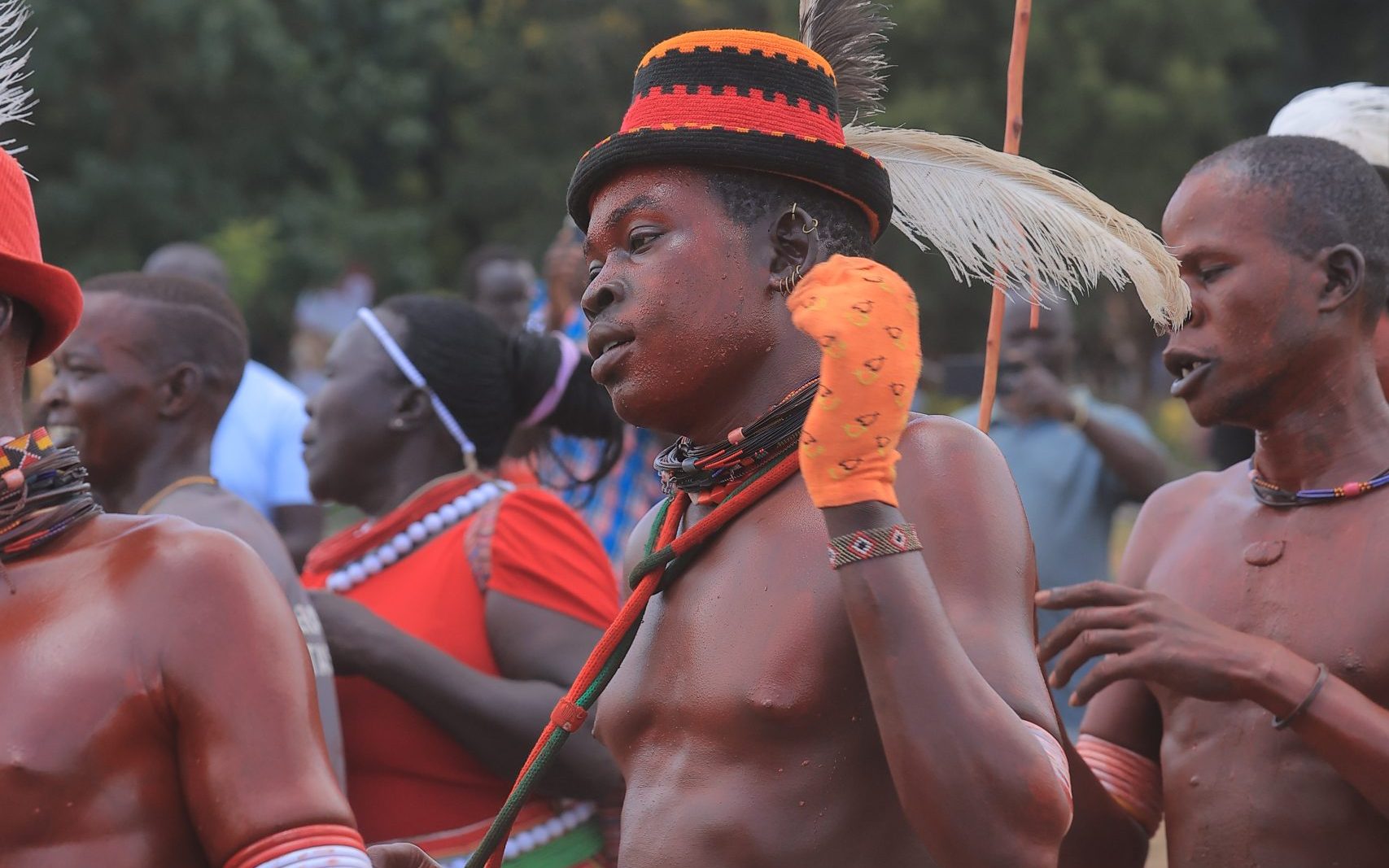
Travel to Karamoja
Travel to Karamoja
Discover the Untamed Beauty of Karamoja: A Complete Travel Guide
Introduction
Nestled in the remote northeastern corner of Uganda, the Karamoja region remains one of the most untouched and authentic travel destinations in East Africa. Far from the bustling tourist circuits of Kampala, Jinja, or Murchison Falls, Karamoja offers a raw and immersive experience into the cultural, historical, and natural wealth of Uganda’s semi-arid savannahs.
This comprehensive guide delves into the heart of Karamoja, revealing its hidden gems, unique traditions, and awe-inspiring landscapes. Whether you’re an intrepid adventurer, a cultural enthusiast, or a curious traveler seeking the road less traveled, Karamoja promises a journey unlike any other.
Why Travel to Karamoja?
Karamoja is not just a place—it’s an experience. The region is home to the Karamojong people, a proud and resilient pastoralist community with a rich cultural heritage. Their way of life, deeply rooted in tradition, offers a rare glimpse into a world that has remained largely unchanged for centuries.
Unique Reasons to Visit Karamoja:
- Authentic Cultural Encounters: Engage with traditional Karamojong warriors, participate in village life, and witness age-old rituals.
- Untouched Landscapes: Explore vast savannahs, rugged mountains, and remote valleys teeming with wildlife and natural beauty.
- Adventure Tourism: From hiking Mount Moroto to rock climbing and biking, Karamoja is a playground for thrill-seekers.
- Community-Based Tourism: Support sustainable travel initiatives that empower local communities.
- Wildlife and Conservation: Discover lesser-known reserves like Kidepo Valley National Park, one of Africa’s most pristine and isolated parks.
Getting to Karamoja
By Road
The most common route is from Kampala to Moroto, the capital of Karamoja. The journey takes approximately 10–12 hours by car, depending on road conditions. A 4×4 vehicle is highly recommended due to the rugged terrain.
By Air
Chartered flights are available from Entebbe International Airport to Moroto Airstrip. Though more expensive, this option significantly reduces travel time.
Travel Tips:
- Always check the weather and road conditions before traveling.
- Travel with a local guide or tour operator familiar with the region.
- Carry sufficient cash, as ATMs are scarce in remote areas.
Best Time to Visit Karamoja
Karamoja experiences a semi-arid climate with two distinct seasons:
- Dry Season (November to March): Ideal for cultural experiences and hiking. The dry landscape offers dramatic views and easier travel.
- Wet Season (April to October): The region becomes lush and green, making it perfect for photography and wildlife spotting, though some roads may become impassable.
Top Attractions in Karamoja
1. Kidepo Valley National Park
Often referred to as Uganda’s hidden gem, Kidepo Valley is a remote and unspoiled park teeming with wildlife such as lions, elephants, giraffes, and over 470 bird species.
Highlights:
- Game drives through the Narus and Kidepo Valleys
- Hiking to the Kanangorok Hot Springs
- Cultural visits to the Ik people on Mount Morungole
2. Mount Moroto
A sacred site for the Karamojong, Mount Moroto offers challenging hikes, panoramic views, and encounters with the Tepeth tribe, one of Uganda’s oldest ethnic groups.
3. Karamoja Cultural Museum
Located in Moroto, this museum provides deep insights into the history, traditions, and lifestyle of the Karamojong people.
4. Traditional Manyattas
Visit authentic manyattas (traditional homesteads) to learn about Karamojong social structures, cattle culture, and daily life.
5. Pian Upe Wildlife Reserve
Uganda’s second-largest conservation area, Pian Upe is home to rare species like cheetahs, ostriches, and roan antelopes.
Cultural Experiences in Karamoja
The Karamojong People
The Karamojong are semi-nomadic pastoralists known for their deep connection to cattle, which play a central role in their economy, social structure, and spiritual life.
Cultural Highlights:
- Dance and Music: Participate in traditional dances accompanied by rhythmic chants and handmade instruments.
- Storytelling: Hear oral histories passed down through generations.
- Cattle Ceremonies: Witness rituals involving cattle branding, naming, and dowry exchanges.
The Ik People
Living in the mountains near the Kenyan border, the Ik are one of Uganda’s smallest and most isolated ethnic groups. Visiting them offers a rare anthropological insight into a community that has adapted to extreme isolation.
Where to Stay in Karamoja
Lodges and Campsites
- Kidepo Savannah Lodge – Offers stunning views of Kidepo Valley.
- Kara-Tunga Guesthouse – A community-run lodge in Moroto promoting cultural tourism.
- Mount Moroto Hotel – Comfortable accommodation with modern amenities.
Community Homestays
For a more immersive experience, opt for a homestay in a traditional manyatta. These are often arranged through local tour operators and provide direct economic benefits to host families.
What to Pack for Your Trip
- Lightweight, breathable clothing
- Hiking boots and sandals
- Sunscreen and insect repellent
- Reusable water bottle
- Camera with zoom lens
- Headlamp or flashlight
- Personal first-aid kit
- Travel insurance documents
Responsible Travel in Karamoja
Karamoja is a fragile ecosystem with a unique cultural heritage. Travelers are encouraged to respect local customs and support sustainable tourism practices.
Tips for Ethical Tourism:
- Ask permission before taking photos of people.
- Avoid giving money or sweets to children.
- Support local artisans by purchasing handmade crafts.
- Travel with eco-conscious tour operators.
- Minimize plastic use and dispose of waste responsibly.
Sample Itinerary: 7 Days in Karamoja
Day 1: Arrival in Moroto
- Settle into your lodge
- Visit the Karamoja Cultural Museum
Day 2: Mount Moroto Hike
- Full-day trek with local guide
- Overnight camping or return to lodge
Day 3: Cultural Immersion
- Visit a traditional manyatta
- Participate in dance and storytelling
Day 4: Travel to Kidepo Valley
- Scenic drive through savannah landscapes
- Evening game drive
Day 5: Explore Kidepo
- Morning and evening safaris
- Visit the Ik community
Day 6: Pian Upe Wildlife Reserve
- Game viewing and birdwatching
- Picnic lunch in the reserve
Day 7: Return to Kampala or Continue to Sipi Falls
Frequently Asked Questions (FAQ)
1. Is Karamoja safe for tourists?
Yes, Karamoja is generally safe for travelers. However, it’s advisable to travel with a reputable local guide or tour company. Always check current travel advisories and follow local advice.
2. Do I need a permit to visit Kidepo Valley National Park?
Yes, you need a valid park entry permit. These can be purchased through the Uganda Wildlife Authority.
3. What language is spoken in Karamoja?
The main language is Ngakarimojong, though many locals also speak English and Swahili.
4. Can I travel to Karamoja independently?
While independent travel is possible, the region’s remoteness and limited infrastructure make guided tours a safer and more enriching option.
5. What is the best way to support local communities?
Choose community-based tourism initiatives, buy local crafts, and respect cultural norms. Organizations like Turkana Wildlife Safaris specialize in responsible travel.
Final Thoughts
Traveling to Karamoja is not just about seeing a new place—it’s about experiencing a different way of life, connecting with resilient communities, and witnessing the raw beauty of Uganda’s wild frontier. As one of Africa’s last true wildernesses, Karamoja offers a transformative journey that leaves a lasting impression on every traveler.
Whether you’re scaling the peaks of Mount Moroto, dancing with the Karamojong under a starlit sky, or watching lions roam the plains of Kidepo, Karamoja invites you to step off the beaten path and into the heart of authenticity.