
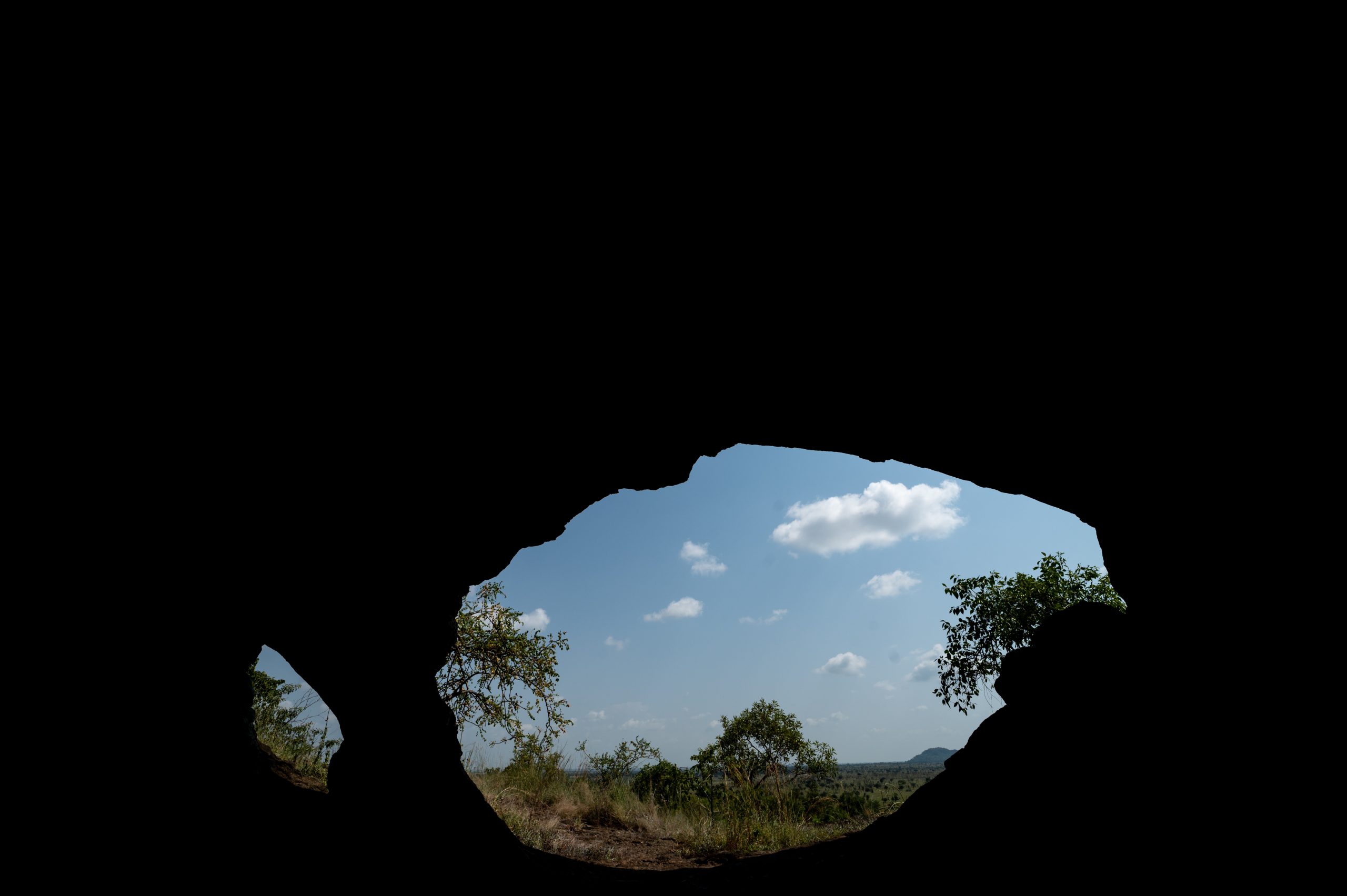
Napedet Cave
Napedet Cave
Napedet Cave: A Hidden Gem of Prehistoric Art and Natural Wonder in Kenya
Introduction
Deep in the heart of Kenya’s Rift Valley lies a largely undiscovered archaeological treasure — Napedet Cave. Nestled within the arid landscapes of West Pokot County, this cave is not only a geological marvel but also a cultural and historical archive etched in stone. With its ancient rock art, unique geological formations, and anthropological significance, Napedet Cave is a site that deserves global recognition.
In this comprehensive guide, we delve into the mysteries and marvels of Napedet Cave. From its prehistoric rock paintings to its role in the cultural heritage of the Pokot people, this article explores every facet of this hidden gem. Whether you’re a history enthusiast, a geologist, or simply an adventurous traveler, Napedet Cave promises a journey through time and nature.
Location and Accessibility
Located in the West Pokot County of northwestern Kenya, Napedet Cave is situated near the village of Ortum, approximately 400 kilometers from Nairobi. The cave is carved into the Cherangani Hills, a region known for its rugged terrain and scenic beauty.
How to Get There
- By Road: The most common route is via Kitale, followed by a drive through Kapenguria to Ortum. From there, local guides can assist in reaching the cave on foot.
- By Air: The nearest airstrip is in Kapenguria, with charter flights available from Nairobi.
- Hiking Trails: The final approach to the cave involves a moderate hike through semi-arid bushland and rocky outcrops.
For detailed directions, visit the Kenya Tourism Board website.
Geological Formation of Napedet Cave
Napedet Cave is a natural limestone formation, shaped over millennia by the erosive forces of wind and water. The cave’s interior features stalactites and stalagmites, as well as smooth, polished walls that provide a perfect canvas for ancient art.
Key Geological Features
- Sedimentary Rock Layers: Indicating the cave’s formation during the Miocene epoch.
- Karst Topography: Characterized by sinkholes, underground streams, and caverns.
- Mineral Deposits: Including calcium carbonate and traces of iron oxide, which contribute to the cave’s reddish hue.
These features make Napedet Cave a valuable site for geologists studying the tectonic and climatic history of the East African Rift.
The Rock Art of Napedet
Perhaps the most captivating aspect of Napedet Cave is its prehistoric rock art. These paintings, believed to be over 2,000 years old, depict scenes of daily life, animals, and spiritual rituals.
Artistic Characteristics
- Pigments: Natural dyes made from ochre, charcoal, and animal fat.
- Subjects:
- Human figures in hunting and dancing poses
- Wildlife such as antelopes, giraffes, and elephants
- Abstract symbols and geometric patterns
- Techniques: Finger painting and brush strokes using twigs or feathers
These artworks are not merely decorative; they serve as a visual language that offers insight into the beliefs, environment, and social structure of early human communities in the region.
Learn more about African rock art at Bradshaw Foundation.
Cultural Significance to the Pokot People
To the Pokot community, Napedet Cave is more than an archaeological site — it is a sacred space. Traditionally, the cave has been used for rituals, initiations, and storytelling.
Cultural Practices
- Initiation Ceremonies: Young men undergo rites of passage within the cave.
- Oral Traditions: Elders recount tribal legends and history using the cave’s paintings as visual aids.
- Spiritual Beliefs: The cave is considered a dwelling place of ancestral spirits.
This deep connection underscores the importance of preserving the cave not only for scientific study but also for the continuation of indigenous traditions.
Archaeological Discoveries and Research
Archaeologists have uncovered a wealth of artifacts in and around Napedet Cave, including:
- Stone tools: Hand axes, scrapers, and arrowheads
- Pottery shards: Indicating early agricultural practices
- Charcoal samples: Used for radiocarbon dating
These findings suggest that the cave was inhabited or frequently visited by early humans during the Late Stone Age. Ongoing excavations aim to uncover more about the cave’s role in human evolution and migration.
For academic resources, visit the Kenya National Museums.
Ecological and Environmental Context
Napedet Cave is located within a semi-arid ecosystem, home to a variety of flora and fauna. The surrounding landscape includes:
- Acacia woodlands
- Savannah grasslands
- Seasonal rivers and springs
Wildlife in the Area
- Birds: Secretary birds, hornbills, and eagles
- Mammals: Rock hyraxes, baboons, and dik-diks
- Reptiles: Agamas and spitting cobras
The ecological richness of the area enhances the cave’s appeal for eco-tourism and biodiversity studies.
Tourism and Conservation Efforts
Despite its significance, Napedet Cave remains relatively unknown to mainstream tourism. However, local and international organizations are working to promote sustainable tourism and heritage conservation.
Current Initiatives
- Community-Based Tourism: Empowering locals to serve as guides and custodians.
- Educational Outreach: Collaborations with schools and universities.
- Conservation Projects: Funded by NGOs and government agencies to protect the cave from vandalism and erosion.
Support conservation by donating to the National Museums of Kenya.
How to Visit Napedet Cave
Planning a visit to Napedet Cave requires some preparation due to its remote location. Here’s a quick guide:
What to Bring
- Sturdy hiking boots
- Water and snacks
- Camera and notebook
- Flashlight or headlamp
- Respectful attitude toward local customs
Best Time to Visit
- Dry Season: June to September and January to February offer the most accessible conditions.
- Avoid Rainy Season: Roads can become impassable due to flooding.
Conclusion
Napedet Cave stands as a testament to the ingenuity, spirituality, and resilience of ancient communities in East Africa. Its rock art, geological features, and cultural relevance make it a site of global importance. Yet, it remains one of Kenya’s best-kept secrets — a place where history whispers from the walls and nature guards its secrets.
As efforts to preserve and promote this site grow, Napedet Cave is poised to become a cornerstone of heritage tourism and archaeological research in Africa. Whether you’re an academic, a traveler, or a cultural enthusiast, this cave offers a rare glimpse into the soul of humanity’s past.
FAQ
1. Where is Napedet Cave located?
Napedet Cave is situated in West Pokot County, near the village of Ortum in northwestern Kenya. It lies within the Cherangani Hills, part of the Great Rift Valley.
2. What makes Napedet Cave significant?
The cave is renowned for its prehistoric rock art, geological formations, and its role in the cultural practices of the Pokot people. It also holds archaeological artifacts dating back thousands of years.
3. Can tourists visit Napedet Cave?
Yes, but access is limited and requires coordination with local guides. The site is best visited during the dry season, and visitors should be prepared for a moderate hike.
4. What kind of rock art is found in the cave?
The cave features ancient paintings of human figures, animals, and abstract symbols. These artworks are created using natural pigments and offer insights into early human life.
5. How is Napedet Cave being preserved?
Conservation efforts include community-based tourism, educational programs, and government initiatives to protect the site from damage and promote sustainable tourism.