
Turkana Safari
Turkana Safari
The Ultimate Guide to a Turkana Safari: Discover Kenya’s Hidden Gem
Introduction: Why a Turkana Safari is Africa’s Best-Kept Secret
When most travelers think of a safari in Kenya, their minds immediately wander to the Masai Mara, Amboseli, or Tsavo. But nestled in the remote northwestern corner of Kenya lies a land of raw beauty, ancient culture, and untouched wilderness—Lake Turkana, the world’s largest permanent desert lake, and its surrounding region.
A Turkana safari is not your average African wildlife tour. It’s an expedition into a dramatic landscape of volcanic formations, prehistoric sites, and tribal traditions that have remained unchanged for centuries. This guide will take you deep into the heart of Turkana.
Where is Turkana? Geography and Climate
Located in the Great Rift Valley, Turkana County borders Ethiopia to the north, South Sudan to the northwest, and Uganda to the west. The region is dominated by Lake Turkana, also known as the Jade Sea for its brilliant turquoise hue.
Climate
Turkana is arid and semi-arid, with temperatures often soaring above 35°C (95°F). Rainfall is scarce and unpredictable, making it one of the driest regions in Kenya. Despite the harsh conditions, the landscape is stunning—think lava fields, sand dunes, and dramatic escarpments.
Top Attractions in Turkana
1. Lake Turkana
- Largest desert lake in the world
- UNESCO World Heritage Site
- Home to Nile crocodiles, hippos, and flamingos
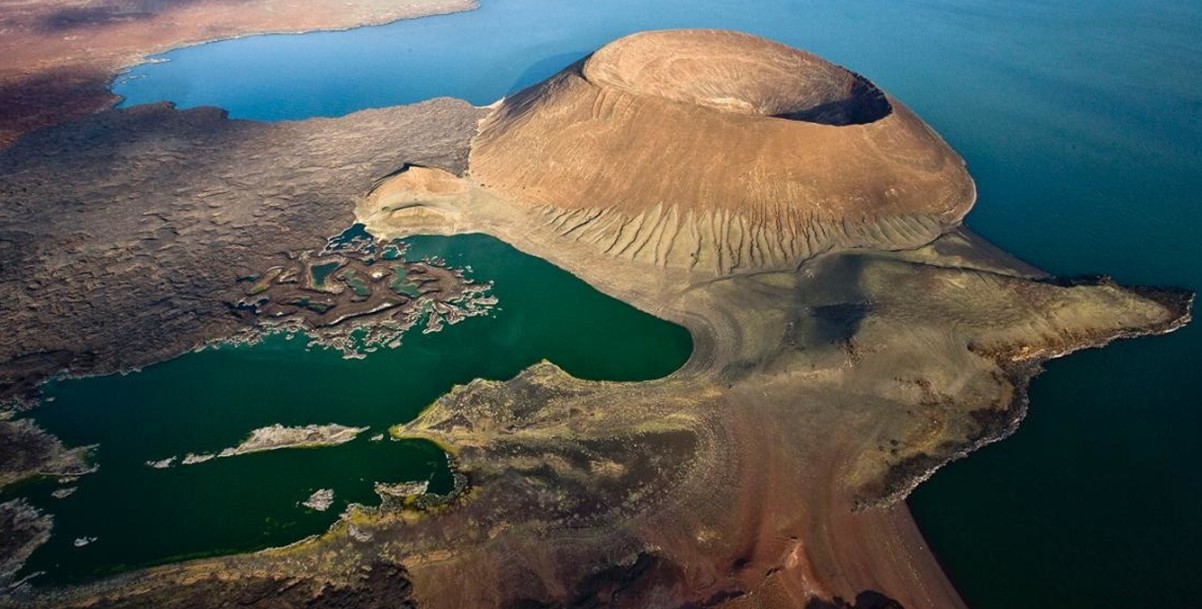
2. Central Island National Park
This volcanic island in the middle of Lake Turkana boasts three crater lakes:
- Crocodile Lake
- Flamingo Lake
- Tilapia Lake
Accessible only by boat, it’s a surreal, otherworldly destination.
3. Sibiloi National Park
Known as the “Cradle of Mankind,” Sibiloi is a treasure trove of paleontological discoveries. Highlights include:
- Koobi Fora fossil site
- Petrified forests
- Rare wildlife like Grevy’s zebra and Beisa oryx
4. Eliye Springs
A palm-fringed oasis on the western shores of the lake, perfect for:
- Swimming
- Relaxing in eco-lodges
- Cultural interactions with the Turkana people
5. Lodwar and the Turkana Boy Monument
Lodwar is the largest town in Turkana and a gateway to the region. Nearby lies the monument commemorating the discovery of the Turkana Boy, a nearly complete Homo erectus skeleton over 1.5 million years old.
Wildlife and Nature
Although Turkana is not a traditional “Big Five” safari destination, it offers unique biodiversity:
- Nile crocodiles (largest population in Africa)
- Hippos
- Flamingos and pelicans
- Monitor lizards
- Rare antelope species
Birdwatching Paradise
Over 350 bird species have been recorded, including:
- Goliath heron
- African skimmer
- Somali ostrich
- Egyptian vulture
Cultural Experiences
The Turkana people, known for their resilience and rich traditions, are a highlight of any visit.
Traditional Practices
- Beaded jewelry and body adornment
- Nomadic pastoralism
- Indigenous music and dance
Cultural Villages
Visitors can experience:
- Traditional huts (manyattas)
- Goat and camel herding
- Local cuisine like asida and roasted goat
Other Tribes in the Region
- El Molo (smallest ethnic group in Kenya)
- Rendille
- Samburu
Each group offers a unique perspective on life in the harsh but beautiful Turkana landscape.
Best Time to Visit Turkana
Dry Season (June to September)
- Best for travel and photography
- Easier access to remote areas
- Fewer insects
Rainy Season (March to May)
- Roads may become impassable
- Fewer tourists
- Lush landscapes and dramatic skies
How to Get There
By Air
- Flights from Nairobi to Lodwar via Skyward Express or Safarilink
- Charter flights to Eliye Springs or Sibiloi
By Road
- 4×4 vehicles recommended
- Routes from Kitale, Maralal, or Isiolo
- Expect long, bumpy drives—part of the adventure!
Where to Stay
Lodges and Camps
- Eliye Springs Resort
- Lobolo Camp
- Desert Rose Lodge (near Mt. Nyiru)
Community-Based Tourism
- Homestays in Turkana villages
- Cultural campsites
Wild Camping
- Allowed in designated areas
- Must be self-sufficient and respectful of local customs
What to Pack for a Turkana Safari
- Lightweight, breathable clothing
- Wide-brimmed hat and sunglasses
- High-SPF sunscreen
- Reusable water bottle
- Insect repellent
- Binoculars and camera
- Power bank and solar charger
Essential Documents
- Valid passport
- Travel insurance
- Vaccination certificates (yellow fever recommended)
Responsible Tourism and Safety
Travel Tips
- Always travel with a local guide
- Respect tribal customs and ask before taking photos
- Avoid traveling at night
Health and Safety
- Stay hydrated
- Carry a basic first aid kit
- Be aware of wildlife and environmental hazards
Supporting Local Communities
- Buy local crafts and food
- Use community-run lodges and guides
- Avoid single-use plastics
Frequently Asked Questions
1. Is Turkana safe for tourists?
Yes, with proper planning and a local guide, Turkana is safe. Avoid border areas and always check travel advisories.
2. Do I need a 4×4 vehicle?
Absolutely. The terrain is rugged and remote. A 4×4 is essential for accessing most areas.
3. Can I see wildlife in Turkana?
Yes, especially birds and reptiles. While it’s not a Big Five destination, the unique species and landscapes are worth the trip.
4. What is the best time to visit Lake Turkana?
The dry season (June to September) offers the best conditions for travel and exploration.
5. How can I support local communities during my safari?
Choose community-run accommodations, buy local crafts, and respect cultural norms. Your tourism dollars can make a real difference.
Conclusion
A Turkana safari is more than a journey—it’s a revelation. It’s where ancient history, vibrant culture, and raw nature converge in a breathtaking tapestry of experience. For the intrepid traveler seeking authenticity and adventure, Turkana is the ultimate destination.
Whether you’re exploring the volcanic craters of Central Island, marveling at the fossils of Sibiloi, or sharing stories with the Turkana people under a starlit sky, this remote corner of Kenya will leave an indelible mark on your soul.
So pack your bags, charge your camera, and prepare for a safari like no other—Turkana awaits.