
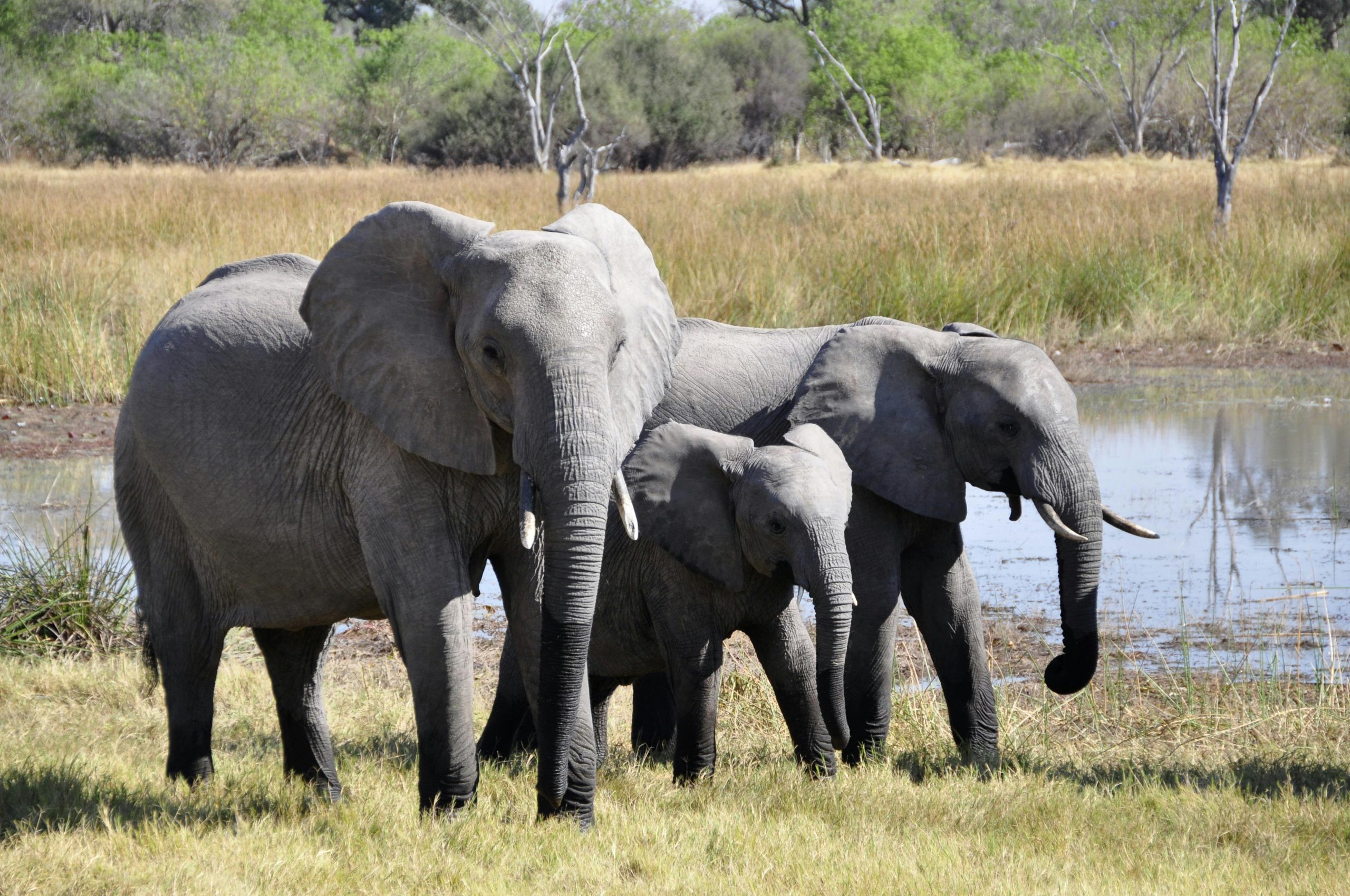
What Do Elephants Eat
What Do Elephants Eat
What Do Elephants Eat? A Deep Dive into the Diet of the World’s Largest Land Mammals
Elephants, the majestic giants of the animal kingdom, are not only known for their intelligence and emotional depth but also for their enormous appetites. As the largest land mammals on Earth, their dietary needs are as vast as their size. But what exactly do elephants consume to sustain their massive bodies? In this comprehensive guide, we’ll explore the intricate details of an elephant’s diet, how it varies by species and habitat, and the ecological role these gentle giants play through their feeding habits.
Introduction to Elephant Diets
Elephants are herbivorous megafauna, meaning they exclusively consume plant-based foods. Their diet is diverse, depending on their geographical location and the availability of vegetation. Despite their size, elephants are selective feeders, often choosing nutrient-rich parts of plants.
They spend a significant portion of their day—up to 16 hours—feeding. This time investment is necessary due to the low nutritional value of many of the fibrous plants they consume, which requires them to eat large quantities to meet their energy needs.
Types of Elephants and Their Habitats
There are three recognized species of elephants:
- African Savannah Elephant (Loxodonta africana)
- African Forest Elephant (Loxodonta cyclotis)
- Asian Elephant (Elephas maximus)
Each species inhabits different ecosystems, which directly influences their dietary preferences.
African Savannah Elephants
Found in open plains and grasslands, these elephants have access to a wide variety of grasses, shrubs, and trees. They are known to travel long distances in search of food and water.
African Forest Elephants
These smaller, more elusive elephants live in dense rainforests. Their diet consists mainly of fruits, bark, and leaves from a variety of tropical trees.
Asian Elephants
Inhabitants of forests and grasslands across South and Southeast Asia, Asian elephants consume a mix of grasses, bamboo, leaves, and cultivated crops like rice and bananas.
Primary Foods Elephants Consume
Elephants are generalist herbivores, meaning they eat a wide range of plant materials. Their diet typically includes:
Grasses
- A staple for savannah elephants, especially during the wet season
- High in fiber but low in nutrients, requiring large quantities
Leaves and Twigs
- Consumed year-round
- Provide essential nutrients like calcium and iron
Bark
- A rich source of fiber and calcium
- Elephants use their tusks to strip bark from trees
Fruits
- Especially favored by forest elephants
- Provide sugars and vitamins
- Examples: mangoes, wild figs, marula fruit
Roots and Bulbs
- Dug up using tusks and trunks
- Consumed more during dry seasons when other food is scarce
Cultivated Crops (in human-influenced areas)
- Sugarcane, bananas, rice, and maize
- Often lead to human-elephant conflict
Seasonal Variations in Diet
Elephants adapt their diet based on seasonal changes:
- Wet Season: Abundance of fresh grasses and fruits
- Dry Season: Increased reliance on bark, roots, and dry leaves
This seasonal flexibility is crucial for survival in fluctuating environments.
Feeding Behavior and Techniques
Elephants use their trunks—a fusion of the nose and upper lip—as versatile tools for feeding. Their trunks can:
- Pluck leaves and grasses
- Strip bark from trees
- Scoop water
- Shake fruit from trees
Their molars are specially adapted to grind fibrous plant material. Throughout their lives, elephants go through six sets of molars. When the final set wears down, it often leads to starvation in the wild.
How Much Do Elephants Eat Daily?
An adult elephant consumes between 200 to 600 pounds (90 to 270 kg) of food per day. The exact amount depends on:
- Species
- Age
- Habitat
- Season
They also produce up to 300 pounds (136 kg) of dung daily, which plays a vital role in seed dispersal and nutrient cycling.
Water Consumption and Hydration
Water is essential for elephants, not just for drinking but also for bathing and cooling down. On average, an adult elephant drinks 30 to 50 gallons (114 to 190 liters) of water daily.
During dry seasons, elephants may dig water holes in dry riverbeds, which also benefits other wildlife.
Impact of Diet on Ecosystems
Elephants are ecosystem engineers. Their feeding habits shape the environment in several ways:
- Seed Dispersal: Through dung, they spread seeds across vast distances
- Habitat Modification: By knocking down trees and clearing vegetation, they create open spaces for other species
- Water Access: Their water-digging behavior provides hydration sources for smaller animals
Their role in maintaining ecological balance cannot be overstated.
Human-Elephant Conflict Over Food
As human populations expand into elephant habitats, conflicts arise, especially when elephants raid crops. This leads to:
- Economic losses for farmers
- Injuries or fatalities on both sides
- Retaliatory killings of elephants
Mitigation Strategies
- Electric fencing
- Beehive fences (elephants avoid bees)
- Community-based conservation programs
- Alternative livelihoods for local communities
Conservation and Sustainable Habitats
Protecting elephant diets means protecting their habitats. Conservation efforts focus on:
- Anti-poaching laws
- Habitat corridors
- Sustainable agriculture near elephant ranges
- Ecotourism initiatives
Organizations like the World Wildlife Fund (WWF) and Elephant Voices work tirelessly to ensure these giants continue to roam and feed freely.
FAQs About Elephant Diets
1. Do elephants eat meat?
No, elephants are strict herbivores. Their digestive systems are not equipped to process meat.
2. What is an elephant’s favorite food?
It varies by species and location, but many elephants show a preference for sweet fruits like bananas, mangoes, and marula.
3. Can elephants eat sugarcane?
Yes, and they love it! However, this often results in crop raiding, leading to conflicts with farmers.
4. How do elephants digest such fibrous food?
Elephants have a large hindgut fermentation system, which allows them to break down tough plant fibers, although it’s not very efficient—hence the large volume of food they consume.
5. Why do elephants strip bark from trees?
Bark provides essential nutrients, especially calcium. It also helps them wear down their ever-growing tusks.
Conclusion
Understanding what elephants eat is more than just a curiosity—it’s a window into their behavior, their role in the ecosystem, and the challenges they face in a changing world. From the lush forests of Asia to the sprawling savannahs of Africa, these gentle giants continue to shape the landscapes they inhabit through their immense appetites.
By supporting conservation efforts and promoting coexistence, we can ensure that elephants continue to thrive—and feast—for generations to come.