
UK to Uganda Travel Advice
UK to Uganda Travel Advice
UK to Uganda Travel Advice: A Complete Guide for a Safe and Enriching Journey
Traveling from the United Kingdom to Uganda offers a unique opportunity to explore the heart of East Africa, renowned for its stunning landscapes, rich cultural heritage, and diverse wildlife. Whether you’re planning a safari in Queen Elizabeth National Park, a trek to see the mountain gorillas in Bwindi Impenetrable Forest, or a cultural immersion in Kampala, this comprehensive guide provides essential UK to Uganda travel advice to ensure a smooth, safe, and unforgettable experience.
Entry Requirements
Before traveling from the UK to Uganda, it is essential to understand the visa requirements and entry protocols.
Visa Information
- Tourist Visa: Required for UK citizens. Apply online via the Uganda Electronic Visa Portal.
- East African Tourist Visa: Ideal if you plan to visit Uganda, Kenya, and Rwanda. Valid for 90 days.
- Visa on Arrival: No longer available. All travelers must apply online before departure.
Passport Validity
- Your passport must be valid for at least six months from your date of entry.
- Ensure at least two blank pages for visa stamps.
COVID-19 Entry Requirements
- As of the latest updates, travelers are no longer required to present a negative PCR test if fully vaccinated.
- Unvaccinated travelers must show a negative PCR test taken within 72 hours before arrival.
- Check the UK Government travel advice for the latest updates.
Health and Vaccinations
Uganda is a tropical country, and certain health precautions are necessary to ensure your well-being.
Mandatory Vaccinations
- Yellow Fever: Proof of vaccination is required for entry. Carry your International Certificate of Vaccination.
Recommended Vaccinations
- Hepatitis A and B
- Typhoid
- Tetanus
- Rabies (especially for long stays or rural travel)
- Cholera (for high-risk areas)
Malaria Prevention
- Uganda is a high-risk malaria zone.
- Take antimalarial medication such as Malarone, Doxycycline, or Lariam.
- Use insect repellent with DEET and sleep under a mosquito net.
Travel Insurance
- Ensure your travel insurance covers:
- Emergency medical treatment
- Evacuation
- COVID-19-related expenses
Safety and Security
While Uganda is generally safe for tourists, it’s crucial to stay informed and cautious.
General Safety Tips
- Avoid walking alone at night, especially in urban areas.
- Use registered taxis or ride-hailing apps like SafeBoda.
- Keep valuables secure and avoid displaying expensive items.
Political Stability
- Uganda has experienced political unrest in the past. Stay updated via the UK Foreign Office.
- Avoid political gatherings or demonstrations.
Wildlife Safety
- Always follow your guide’s instructions during safaris or treks.
- Maintain a safe distance from wild animals, especially gorillas and elephants.
Money and Currency
Understanding the local currency and banking system is essential for budgeting and convenience.
Currency
- The official currency is the Ugandan Shilling (UGX).
- US dollars are widely accepted, especially for tourism services.
Currency Exchange
- Exchange money at banks or licensed forex bureaus.
- Avoid street money changers.
ATMs and Credit Cards
- ATMs are available in major cities like Kampala and Entebbe.
- Visa is more widely accepted than Mastercard.
- Always carry some cash when traveling to rural areas.
Transportation and Getting Around
Uganda’s transportation system is varied and can be an adventure in itself.
Air Travel
- Entebbe International Airport (EBB) is the main entry point.
- Domestic flights are available to major parks via Aerolink Uganda.
Road Travel
- Roads vary in quality; 4×4 vehicles are recommended for national parks.
- Hire a driver or use reputable tour companies for long-distance travel.
Public Transport
- Matatus (shared minibuses) and boda-bodas (motorbike taxis) are common but can be risky.
- Use apps like Uber or Bolt in Kampala.
Best Time to Visit Uganda
Uganda is a year-round destination, but certain seasons offer better conditions for travel.
Dry Seasons (Best Time)
- June to September
- December to February
- Ideal for safaris and gorilla trekking.
Wet Seasons
- March to May
- October to November
- Lush landscapes but muddy roads and trails.
Cultural Etiquette and Local Customs
Respecting local traditions enhances your travel experience and fosters positive interactions.
Greetings and Communication
- A handshake is the common form of greeting.
- Use respectful titles like “Mzee” for elders.
Dress Code
- Modest clothing is appreciated, especially in rural areas.
- Avoid revealing outfits when visiting religious or cultural sites.
Photography
- Always ask for permission before taking photos of people.
- Avoid photographing government buildings or military personnel.
Top Destinations to Explore
Uganda is a treasure trove of natural wonders and cultural gems.
1. Bwindi Impenetrable Forest
- Home to half the world’s remaining mountain gorillas.
- Gorilla trekking permits required.
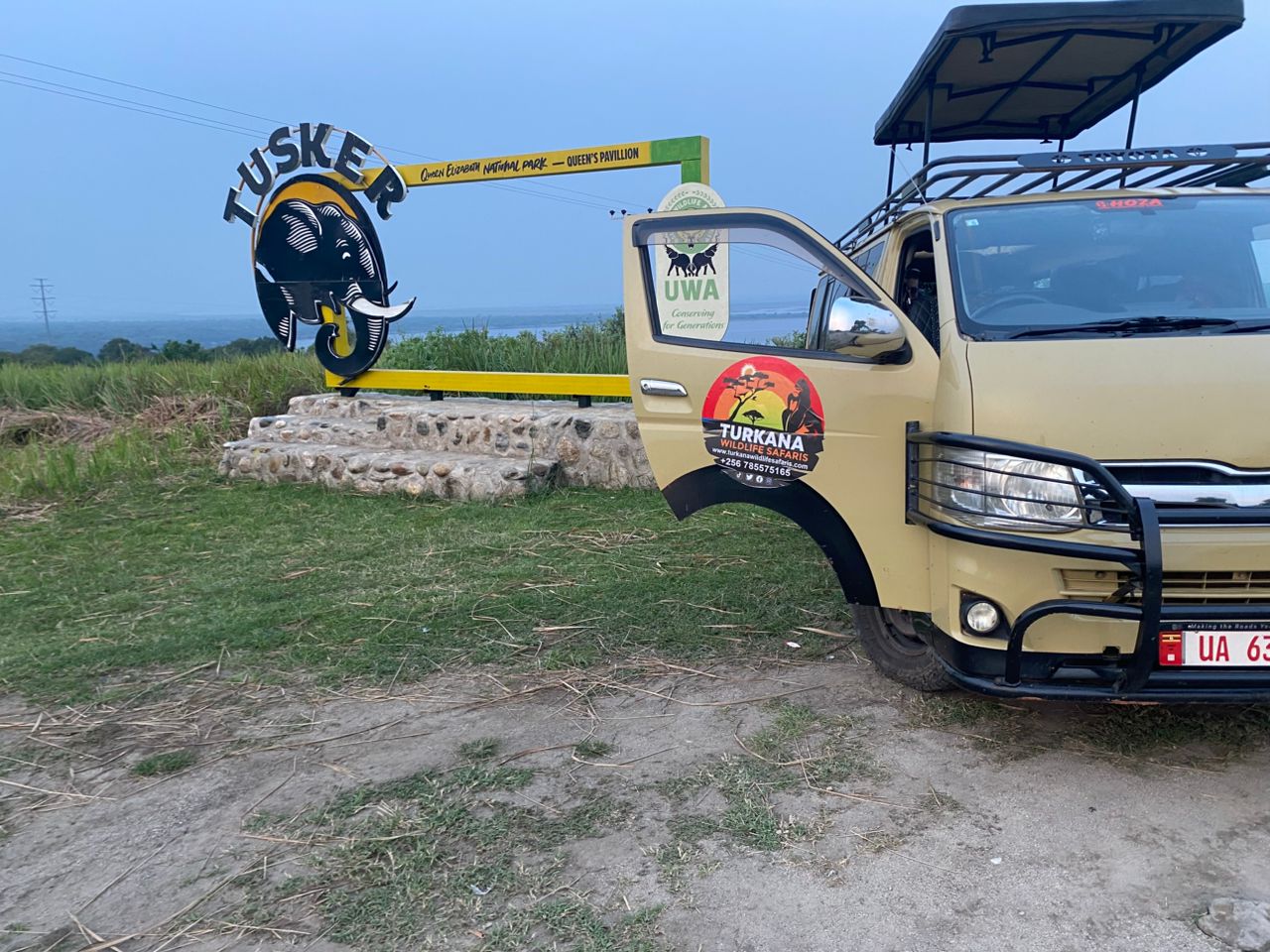
2. Queen Elizabeth National Park
- Famous for tree-climbing lions and boat safaris on the Kazinga Channel.
3. Murchison Falls National Park
- Witness the Nile River explode through a narrow gorge.
4. Jinja
- Adventure capital of Uganda.
- Activities: White-water rafting, bungee jumping, and kayaking on the Nile.
5. Kampala
- Vibrant capital with markets, nightlife, and historical sites like the Kasubi Tombs.
Packing Tips for Uganda
Packing smart ensures comfort and preparedness for various terrains and climates.
Essentials
- Lightweight, breathable clothing
- Long-sleeved shirts and trousers (for mosquito protection)
- Waterproof jacket
- Hiking boots
- Sunscreen and sunglasses
- Power bank and universal adapter
- Reusable water bottle with filter
Safari Gear
- Binoculars
- Camera with zoom lens
- Neutral-colored clothing
- Insect repellent
Useful Travel Resources
- UK Government Travel Advice for Uganda
- Uganda Tourism Board
- Uganda Wildlife Authority
- CDC Travel Health Notices
Frequently Asked Questions (FAQs)
1. Is Uganda safe for UK travelers?
Yes, Uganda is generally safe for tourists. However, stay informed via the UK Foreign Office and avoid political gatherings or isolated areas at night.
2. Do I need a visa to travel from the UK to Uganda?
Yes, UK citizens must apply for a tourist visa online before traveling. The East African Tourist Visa is also an option if visiting neighboring countries.
3. What is the best time to visit Uganda?
The best time to visit is during the dry seasons: June to September and December to February, ideal for safaris and gorilla trekking.
4. What vaccinations are required for Uganda?
A Yellow Fever vaccination is mandatory. Other recommended vaccines include Hepatitis A & B, Typhoid, and Malaria prophylaxis. Check with your travel clinic before departure.
5. Can I use credit cards in Uganda?
Credit cards are accepted in major hotels and restaurants in cities. However, cash is essential for rural areas. Carry Ugandan Shillings and use ATMs in urban centers.
Final Thoughts
Traveling from the UK to Uganda is a journey into the heart of Africa’s natural beauty and cultural richness. With proper planning, awareness, and respect for local customs, your trip can be both safe and transformative. From the misty mountains of Bwindi to the roaring waters of the Nile, Uganda offers experiences that will stay with you for a lifetime.
For more up-to-date information and travel alerts, consult the UK Government Travel Advice and the Uganda Tourism Board.