
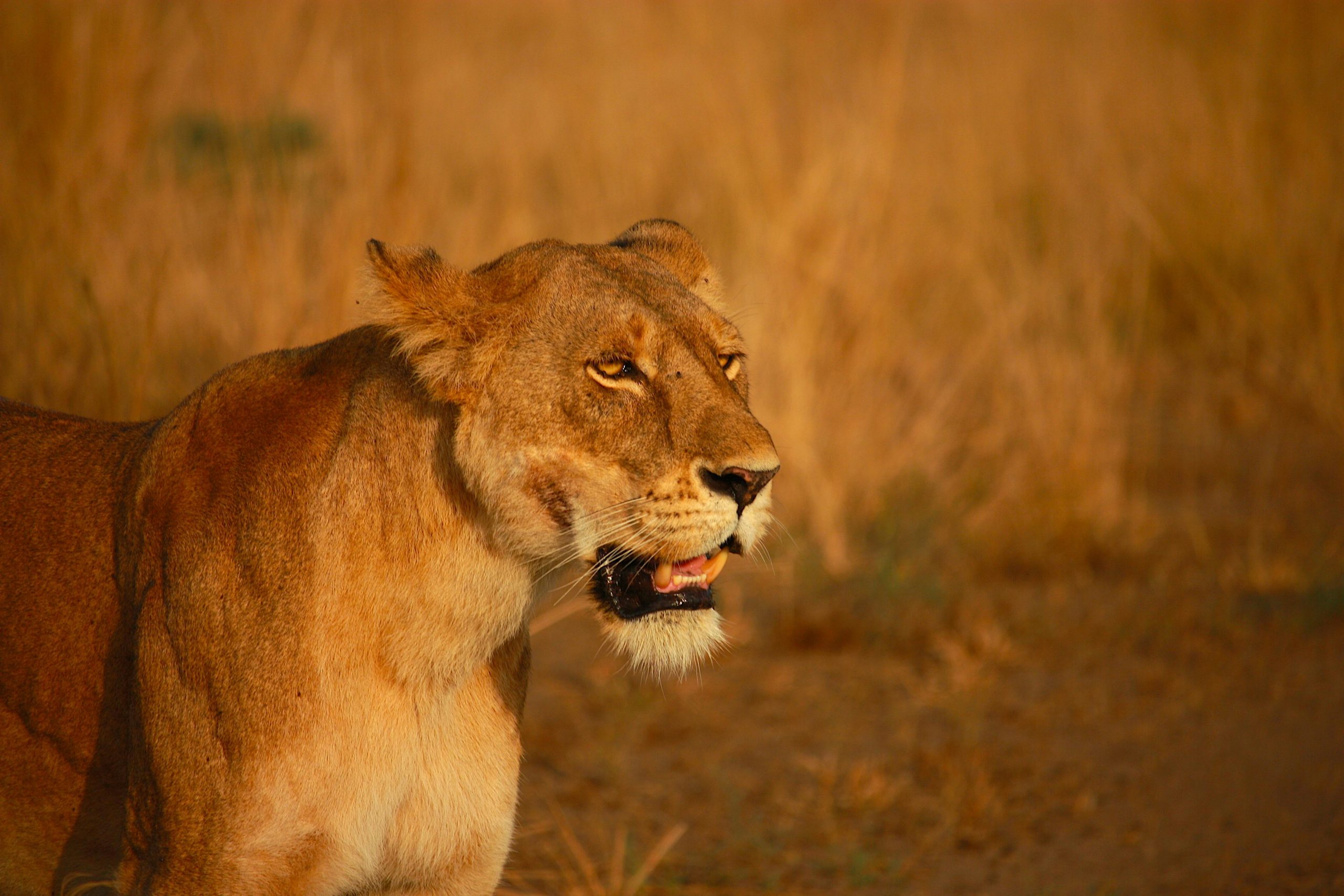
Lion Habitat
Lion Habitat
The Majestic Realm of Lions: Exploring the Lion Habitat in Depth
Introduction
The lion, often revered as the “King of the Jungle,” is a symbol of strength, courage, and nobility. However, contrary to popular belief, lions do not dwell in jungles but rather in a range of habitats across Africa and a small region in India. This in-depth guide explores the complexity of the lion habitat, including its geographical distribution, ecological requirements, and the growing challenges it faces due to human activity and climate change.
In this updated edition, we also shine a spotlight on two key East African countries—Uganda and Rwanda—which play a significant role in lion conservation and habitat preservation.
What Defines a Lion Habitat?
A lion habitat is the natural environment where lions live, hunt, and reproduce. These habitats are characterized by a combination of open landscapes, prey availability, water sources, and minimal human disturbance.
Essential Features of a Lion Habitat
- Open Grasslands and Savannas: Ideal for stalking prey.
- Woodlands and Bushlands: Provide cover and shade.
- Water Access: Rivers, lakes, and seasonal watering holes.
- Prey Density: A rich population of herbivores is crucial.
Geographic Distribution of Lions
African Lion Habitat
Lions are primarily found in sub-Saharan Africa, with populations spread across:
- East Africa: Including Kenya, Tanzania, Uganda, and Rwanda.
- Southern Africa: Botswana, Namibia, Zimbabwe, and South Africa.
- West and Central Africa: Smaller, fragmented populations.
Asiatic Lion Habitat
The Asiatic lion is confined to the Gir Forest National Park in Gujarat, India. These lions inhabit dry deciduous forests and scrublands.
Lion Habitats in Uganda and Rwanda
Uganda: The Pearl of Africa’s Lion Strongholds
Uganda, known for its biodiversity and lush landscapes, is home to several lion populations, particularly in:
- Queen Elizabeth National Park: Famous for its unique tree-climbing lions.
- Murchison Falls National Park: Offers vast savannas and a healthy prey base.
- Kidepo Valley National Park: Remote and pristine, ideal for lion populations.
Key Habitat Features in Uganda
- Expansive savannas and acacia woodlands.
- Seasonal water sources like the Nile and Lake Albert.
- Rich biodiversity including kob, buffalo, and warthogs.
Uganda’s lion habitats are part of the larger Albertine Rift ecosystem, a biodiversity hotspot.
Rwanda: A Rising Star in Lion Conservation
Rwanda, though more famous for its mountain gorillas, has made significant strides in lion conservation, particularly in:
- Akagera National Park: Once depleted of lions, it has seen a successful reintroduction program since 2015.
Habitat Characteristics in Rwanda
- Rolling grasslands and wetlands.
- Rehabilitated ecosystems with growing prey populations.
- Strong anti-poaching and community-based conservation efforts.
Learn more about Akagera’s lion reintroduction and its impact on Rwanda’s ecological restoration.
Climate and Terrain of Lion Habitats
Lions are found in a range of climates, from arid deserts to tropical savannas. Their adaptability is remarkable, but they still require certain ecological elements to thrive.
Environmental Factors
- Rainfall: Influences vegetation and prey migration.
- Temperature: Affects lion activity and prey behavior.
- Topography: Open plains are preferred for hunting efficiency.
The Role of Prey in Habitat Sustainability
Lions are apex predators and depend heavily on the abundance of herbivores. A typical lion habitat supports:
- Buffalo
- Zebra
- Wildebeest
- Ugandan kob
- Impala
In Uganda and Rwanda, conservation efforts have focused on rebuilding prey populations to support sustainable predator numbers.
Social Dynamics and Territory
Lions are social cats, living in prides that require large territories. These territories vary based on prey availability and habitat quality.
Territorial Needs
- Size: Ranges from 20 to 400 km².
- Overlap: Male coalitions may control multiple prides.
- Conflict: Occurs when habitats are fragmented or prey is scarce.
In parks like Queen Elizabeth and Akagera, managing territory size and lion population density is critical to maintaining ecological balance.
Human Impact on Lion Habitats
Threats in Uganda and Rwanda
- Encroachment: Expanding agriculture and settlements reduce habitat size.
- Poaching: Though decreasing, it still poses a threat to both lions and prey.
- Retaliatory Killings: Occur when lions prey on livestock.
Conservation Responses
- Community Engagement: Programs that involve locals in conservation.
- Eco-Tourism: Generates revenue and incentivizes habitat protection.
- Protected Areas: Expansion and better management of national parks.
Explore more on human-wildlife conflict solutions.
Conservation and Protected Areas
Uganda’s Protected Lion Habitats
- Queen Elizabeth National Park
- Murchison Falls National Park
- Kidepo Valley National Park
These parks are managed by the Uganda Wildlife Authority, which implements anti-poaching patrols, research, and community outreach.
Rwanda’s Conservation Success
- Akagera National Park: Managed by African Parks, it is a model for successful lion reintroduction and habitat restoration.
The Role of Technology in Habitat Monitoring
Modern conservation uses tools like:
- GPS Collars: Track lion movements.
- Camera Traps: Monitor behavior and population dynamics.
- Drones and AI: Aid in anti-poaching and habitat surveillance.
These technologies are being used in Uganda and Rwanda to enhance lion habitat protection.
Future Challenges and Opportunities
Climate Change
Alters rainfall patterns and vegetation, impacting prey and lion behavior.
Population Growth
Increases pressure on land and resources, leading to habitat fragmentation.
Cross-Border Conservation
Uganda and Rwanda are part of the Greater Virunga Transboundary Collaboration, promoting regional cooperation for wildlife protection.
Frequently Asked Questions (FAQ)
1. Are there lions in Uganda?
Yes, Uganda is home to several lion populations, particularly in Queen Elizabeth National Park, known for its tree-climbing lions.
2. Does Rwanda have lions?
Yes, lions were reintroduced to Akagera National Park in 2015, and the population is steadily growing.
3. What kind of habitat do lions prefer?
Lions thrive in savannas, open woodlands, and grasslands with abundant prey and water sources. Learn more about lion habitats.
4. How are Uganda and Rwanda protecting lion habitats?
Through national park management, community conservation, anti-poaching efforts, and eco-tourism. Visit Uganda Wildlife Authority and African Parks for details.
5. What is the biggest threat to lion habitats?
Habitat loss due to agriculture, human settlement, and climate change. Conservation efforts focus on habitat restoration and protection.
Bulleted Lists
Lion Habitats in Uganda
- Queen Elizabeth National Park
- Murchison Falls National Park
- Kidepo Valley National Park
Lion Habitats in Rwanda
- Akagera National Park
Threats to Lion Habitats
- Human encroachment
- Poaching
- Climate change
- Habitat fragmentation
Conservation Strategies
- Protected areas
- Eco-tourism
- Community involvement
- Technological monitoring
Conclusion
Lions are not just symbols of power—they are keystone species whose presence indicates a healthy ecosystem. Uganda and Rwanda, through their national parks and conservation initiatives, are playing a vital role in preserving lion habitats. From the tree-climbing lions of Ishasha to the rewilded plains of Akagera, these countries offer hope for the future of Africa’s most iconic predator.
By supporting conservation, promoting sustainable development, and raising awareness, we can ensure that lion habitats continue to thrive for generations to come.