
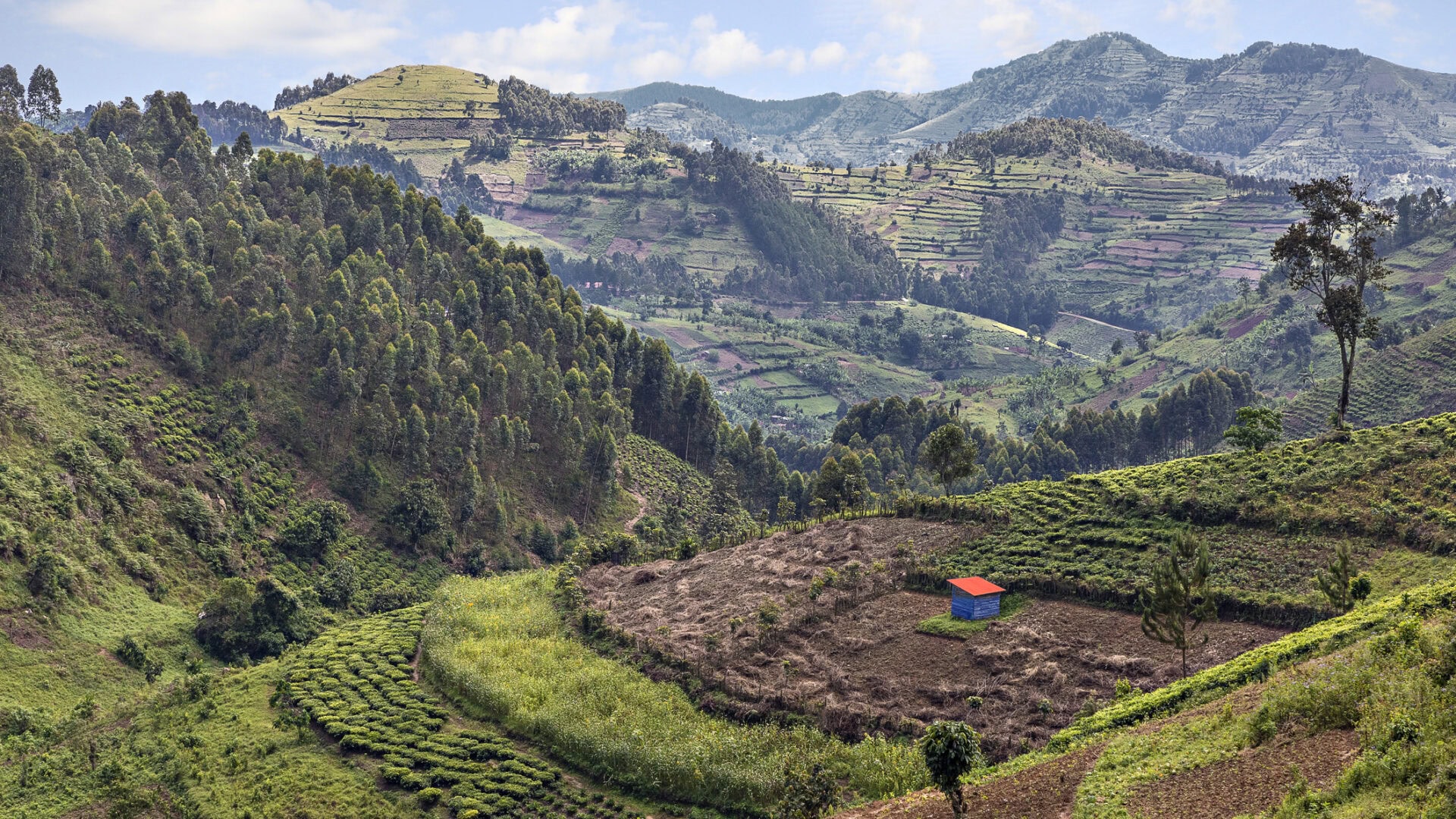
Uganda Germany Program
Uganda Germany Program
Uganda Germany Program: A Comprehensive Guide to Bilateral Cooperation, Opportunities, and Development
Introduction
The Uganda Germany Program represents a dynamic and evolving partnership between the East African nation of Uganda and the European powerhouse, Germany. This bilateral relationship spans decades, rooted in mutual respect, development cooperation, and shared goals for sustainable growth. From economic development and education to renewable energy and governance, the Uganda-Germany alliance is a model of international cooperation in the 21st century.
In this in-depth article, we explore the history, objectives, key sectors, and future prospects of the Uganda Germany Program. Whether you are a student, policymaker, investor, or development professional, this guide will provide valuable insights into one of Africa’s most strategic international partnerships.
Historical Background
The diplomatic relationship between Uganda and Germany dates back to Uganda’s independence in 1962. Germany was among the first countries to recognize Uganda as a sovereign state and has since played a pivotal role in its development trajectory.
Over the decades, the partnership has evolved from basic humanitarian aid to a more structured and strategic development cooperation. The Federal Ministry for Economic Cooperation and Development (BMZ) has been instrumental in funding and coordinating various programs aimed at improving Uganda’s infrastructure, governance, and human capital.
Key Areas of Cooperation
Education and Vocational Training
One of the cornerstones of the Uganda Germany Program is the enhancement of education and vocational training. Germany, known for its dual education system, has supported Uganda in developing technical and vocational education and training (TVET) institutions.
Key initiatives include:
- Establishment of vocational training centers in rural and urban areas
- Teacher training programs in partnership with German institutions
- Scholarships for Ugandan students to study in Germany through DAAD
- Curriculum development aligned with labor market needs
This focus on skills development aims to reduce youth unemployment and equip Ugandans with the competencies needed in a modern economy.
Renewable Energy and Climate
Germany is a global leader in renewable energy, and this expertise has been extended to Uganda through various green energy initiatives.
Notable projects include:
- Promotion of solar mini-grids in off-grid communities
- Support for Uganda’s National Climate Change Policy
- Capacity building for institutions in energy efficiency
- Financing clean cooking solutions to reduce deforestation
These efforts align with Uganda’s Vision 2040 and the Sustainable Development Goals (SDGs), particularly SDG 7 (Affordable and Clean Energy) and SDG 13 (Climate Action).
Good Governance and Civil Society
Germany has consistently supported Uganda’s efforts to strengthen governance, transparency, and the rule of law. Through the Uganda Germany Program, several initiatives have been launched to promote democratic institutions and civic engagement.
Key interventions include:
- Support for the Uganda Human Rights Commission
- Training programs for public servants and local government officials
- Funding for civil society organizations (CSOs)
- Anti-corruption campaigns and legal reforms
These programs aim to build a more inclusive and accountable political system in Uganda.
Economic Development and Trade
Economic cooperation is a growing pillar of the Uganda Germany partnership. Germany is one of Uganda’s top trading partners in Europe, and the bilateral trade volume continues to expand.
Areas of focus include:
- Support for small and medium-sized enterprises (SMEs)
- Investment promotion through the German-Ugandan Business Forum
- Development of value chains in agriculture and manufacturing
- Access to finance for entrepreneurs
Germany also provides technical assistance to improve Uganda’s business environment and attract foreign direct investment (FDI).
Major Projects and Initiatives
The Uganda Germany Program encompasses a wide array of projects implemented by organizations such as GIZ, KfW Development Bank, and German NGOs.
Flagship Projects
- Promotion of Renewable Energy and Energy Efficiency Programme (PREEEP)
Focused on expanding access to sustainable energy in rural Uganda. - Employment and Skills for Development in Africa (E4D/SOGA)
Aims to improve employment opportunities through skills development. - Water and Sanitation Projects in Northern Uganda
Funded by KfW, these projects improve access to clean water and sanitation facilities. - Support to Refugee-Hosting Communities
Germany has provided substantial aid to Uganda’s refugee response, particularly in education and health services.
Opportunities for Ugandans
The Uganda Germany Program opens numerous doors for Ugandan citizens, professionals, and businesses.
For Students
- Scholarships via DAAD
- Exchange programs and research fellowships
- German language courses and cultural exchange
For Entrepreneurs
- Access to funding through German-backed microfinance institutions
- Participation in trade fairs and business forums
- Training in business development and innovation
For Civil Society
- Grants for NGOs working in governance, health, and education
- Capacity-building workshops
- Networking with German and international partners
For Government Officials
- Technical training and study tours
- Policy dialogue and knowledge exchange
- Support for institutional reforms
Challenges and Criticisms
Despite its successes, the Uganda Germany Program is not without challenges.
Key concerns include:
- Bureaucratic delays in project implementation
- Limited local ownership of some initiatives
- Cultural and language barriers in technical cooperation
- Political tensions affecting governance-related programs
Addressing these issues requires continuous dialogue, adaptive programming, and stronger stakeholder engagement.
Future Outlook
The future of the Uganda Germany Program looks promising, especially with the global focus on sustainable development and climate resilience. Both countries have reaffirmed their commitment to deepening cooperation in:
- Digital transformation and innovation
- Green infrastructure development
- Gender equality and social inclusion
- Regional integration within the East African Community (EAC)
As Uganda prepares for its demographic transition and economic transformation, Germany’s support will be pivotal in shaping a resilient and inclusive future.
FAQs
1. What is the Uganda Germany Program?
The Uganda Germany Program is a bilateral cooperation framework that focuses on development assistance, economic collaboration, and capacity building between Uganda and Germany. It covers sectors such as education, energy, governance, and trade.
2. How can Ugandans benefit from this program?
Ugandans can benefit through scholarships, vocational training, business support, and improved public services funded by German development agencies such as GIZ and KfW.
3. Which organizations implement the Uganda Germany Program?
Key implementing partners include the German Federal Ministry for Economic Cooperation and Development (BMZ), GIZ, KfW Development Bank, and various German NGOs.
4. Are there opportunities for Ugandan businesses?
Yes. The program supports Ugandan SMEs through access to finance, training, and trade facilitation. The German-Ugandan Business Forum is a key platform for business partnerships.
5. How does the program address climate change?
Germany supports Uganda’s climate goals through renewable energy projects, environmental conservation, and climate policy advisory services. Programs like PREEEP are central to this effort.
Conclusion
The Uganda Germany Program is a robust and multifaceted partnership that exemplifies the power of international cooperation. By aligning development goals with local priorities, it continues to make a tangible impact on Uganda’s path to prosperity.
From renewable energy and vocational training to governance and trade, the program offers a blueprint for sustainable development that other nations can emulate. As global challenges evolve, so too will this partnership—anchored in trust, innovation, and a shared vision for a better future.
For more information, visit the official websites of BMZ, GIZ, and the German Embassy in Uganda.