
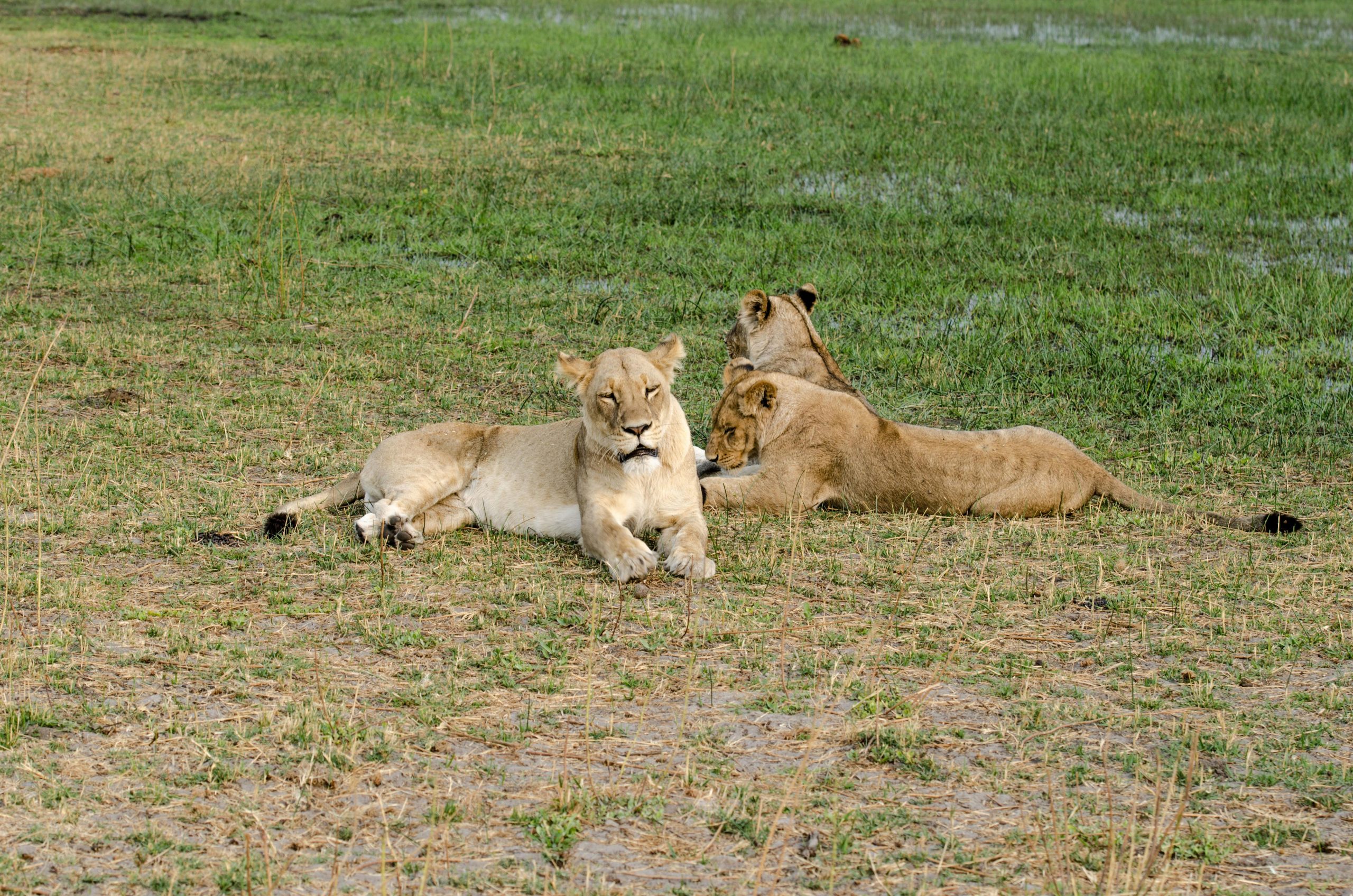
Lion Physical Adaptations
Lion Physical Adaptations
The Majestic Predator: A Deep Dive into the Physical Adaptations of Lions
Lions, often hailed as the “kings of the jungle,” are among the most iconic and formidable predators in the animal kingdom. Their dominance is not merely a result of brute strength or social structure, but a culmination of highly specialized physical adaptations that have evolved over millennia. These adaptations empower them to hunt, survive, and thrive in the wild savannas and grasslands of Africa and parts of Asia.
In this comprehensive guide, we will explore the intricate and fascinating physical traits that make lions such efficient apex predators. From their muscular build to their acute senses, every feature plays a crucial role in their survival.
Introduction to Lion Adaptations
Lions (Panthera leo) are built for power, stealth, and endurance. Their physical form is a product of natural selection, honed to perfection for predation and survival. Unlike solitary big cats such as leopards or tigers, lions are unique in their social structure, which also influences their physical traits.
These adaptations are not just superficial; they are deeply embedded in their biology, affecting everything from their skeletal structure to their sensory organs.
Muscular Anatomy and Strength
One of the most defining characteristics of a lion is its sheer muscularity. Lions possess a robust and compact body, designed for explosive power rather than long-distance endurance.
Key Muscular Adaptations:
- Shoulder and Forelimb Strength: Lions have heavily muscled shoulders and forelimbs, allowing them to grapple and pin down large prey such as wildebeest or buffalo.
- Powerful Hind Limbs: Their hind legs provide the propulsion needed for short bursts of speed, crucial during ambushes.
- Neck Muscles: Strong neck muscles support the head and aid in dragging heavy carcasses.
These muscular features allow lions to take down prey much larger than themselves, a testament to their evolutionary prowess.
The Mane: More Than Just a Crown
The lion’s mane is perhaps its most iconic feature, especially in males. While it may seem purely ornamental, the mane serves several critical functions.
Functional Aspects of the Mane:
- Protection in Fights: The thick fur cushions the neck and head during intraspecific combat.
- Thermoregulation: Though it can trap heat, the mane also helps in dissipating body heat under certain conditions.
- Sexual Selection: A darker, fuller mane is often a sign of health and virility, attracting females and deterring rivals.
According to National Geographic, mane length and color can even indicate testosterone levels and overall fitness.
Teeth and Jaw Structure
Lions have evolved a dental structure perfectly suited for a carnivorous diet. Their teeth are not just for eating—they are weapons.
Dental Adaptations:
- Canines: Long and sharp, used for gripping and suffocating prey.
- Carnassials: Specialized molars that act like scissors to shear flesh.
- Strong Jaw Muscles: Provide a bite force of around 650 psi, enough to crush bone.
These features enable lions to consume nearly every part of their prey, minimizing waste and maximizing energy intake.
Paws, Claws, and Locomotion
Lions are digitigrade animals, meaning they walk on their toes, which enhances stealth and speed. Their paws and claws are highly specialized for their predatory lifestyle.
Key Features:
- Retractable Claws: Stay sharp by remaining sheathed when not in use.
- Padded Paws: Allow silent movement during stalking.
- Powerful Tendons: Enable sudden, explosive movements.
These adaptations are critical during the final moments of a hunt, where precision and power determine success.
Camouflage and Coat Coloration
Despite their size, lions are masters of stealth, thanks in part to their coat.
Camouflage Benefits:
- Tawny Fur: Blends seamlessly with the dry grasses of the savanna.
- Spotted Cubs: Lion cubs often have spots that provide additional camouflage from predators.
This natural camouflage allows lions to get within striking distance of their prey without being detected.
Vision and Night Hunting
Lions are primarily nocturnal hunters, and their vision is adapted accordingly.
Visual Adaptations:
- Tapetum Lucidum: A reflective layer behind the retina that enhances night vision.
- Large Pupils: Allow more light to enter the eye in low-light conditions.
- Binocular Vision: Provides depth perception, crucial for judging distances during a hunt.
These traits give lions a significant advantage during nighttime, when many prey animals are less alert.
Acute Hearing and Communication
Lions possess exceptional auditory capabilities, which aid in both hunting and social interaction.
Auditory Adaptations:
- Rotatable Ears: Can detect sounds from multiple directions.
- Low-Frequency Roars: Can travel up to 5 miles, used for communication and territory marking.
- Sensitive Inner Ear: Helps detect the faintest rustle of prey in tall grass.
These auditory features are essential for coordinating group hunts and maintaining pride cohesion.
Respiratory and Cardiovascular Efficiency
To sustain their bursts of speed and power, lions require a highly efficient respiratory and cardiovascular system.
Physiological Traits:
- Large Nasal Passages: Allow rapid air intake during exertion.
- Strong Heart: Supports high oxygen delivery to muscles.
- Efficient Lungs: Maximize oxygen exchange during sprints.
These systems work in tandem to ensure that lions can perform at peak levels during critical moments.
Thermoregulation in Harsh Climates
Lions inhabit some of the hottest regions on Earth, and their bodies are equipped to handle extreme temperatures.
Cooling Mechanisms:
- Panting: Helps dissipate heat through evaporation.
- Resting During Daylight: Lions are most active during cooler parts of the day.
- Sparse Sweat Glands: Prevent excessive water loss.
These adaptations help lions maintain homeostasis in environments where temperatures often exceed 100°F.
Sexual Dimorphism and Adaptation
Male and female lions exhibit distinct physical differences, each serving unique evolutionary purposes.
Differences Include:
- Size: Males are generally larger, aiding in protection and dominance.
- Mane: Exclusive to males, serves both protective and sexual functions.
- Hunting Roles: Females are the primary hunters, and their leaner build reflects this role.
This dimorphism enhances the overall efficiency and survival of the pride.
Conclusion
The lion’s body is a marvel of evolutionary engineering. Every muscle, tooth, and sensory organ is fine-tuned for survival in the wild. These physical adaptations not only make lions formidable hunters but also enable them to maintain complex social structures and thrive in some of the most challenging environments on Earth.
Understanding these traits not only deepens our appreciation for these majestic animals but also underscores the importance of conserving their natural habitats.
FAQ: Lion Physical Adaptations
1. What makes lions such effective hunters?
Lions are effective hunters due to a combination of muscular strength, stealthy movement, acute senses, and social cooperation. Their night vision and powerful limbs allow them to ambush prey with precision.
2. Why do only male lions have manes?
The mane serves as a signal of health and strength, primarily for attracting mates and intimidating rivals. It also offers protection during fights with other males.
3. How do lions regulate their body temperature?
Lions use panting, resting during the hottest parts of the day, and behavioral adaptations like seeking shade to regulate their body temperature in hot climates.
4. Are lion cubs born with the same adaptations?
Lion cubs are born with some physical traits like spots for camouflage, but many adaptations such as full muscle development and hunting skills develop over time.
5. How does a lion’s vision differ from humans?
Lions have superior night vision due to the presence of the tapetum lucidum, which reflects light back through the retina, enhancing their ability to see in the dark.