
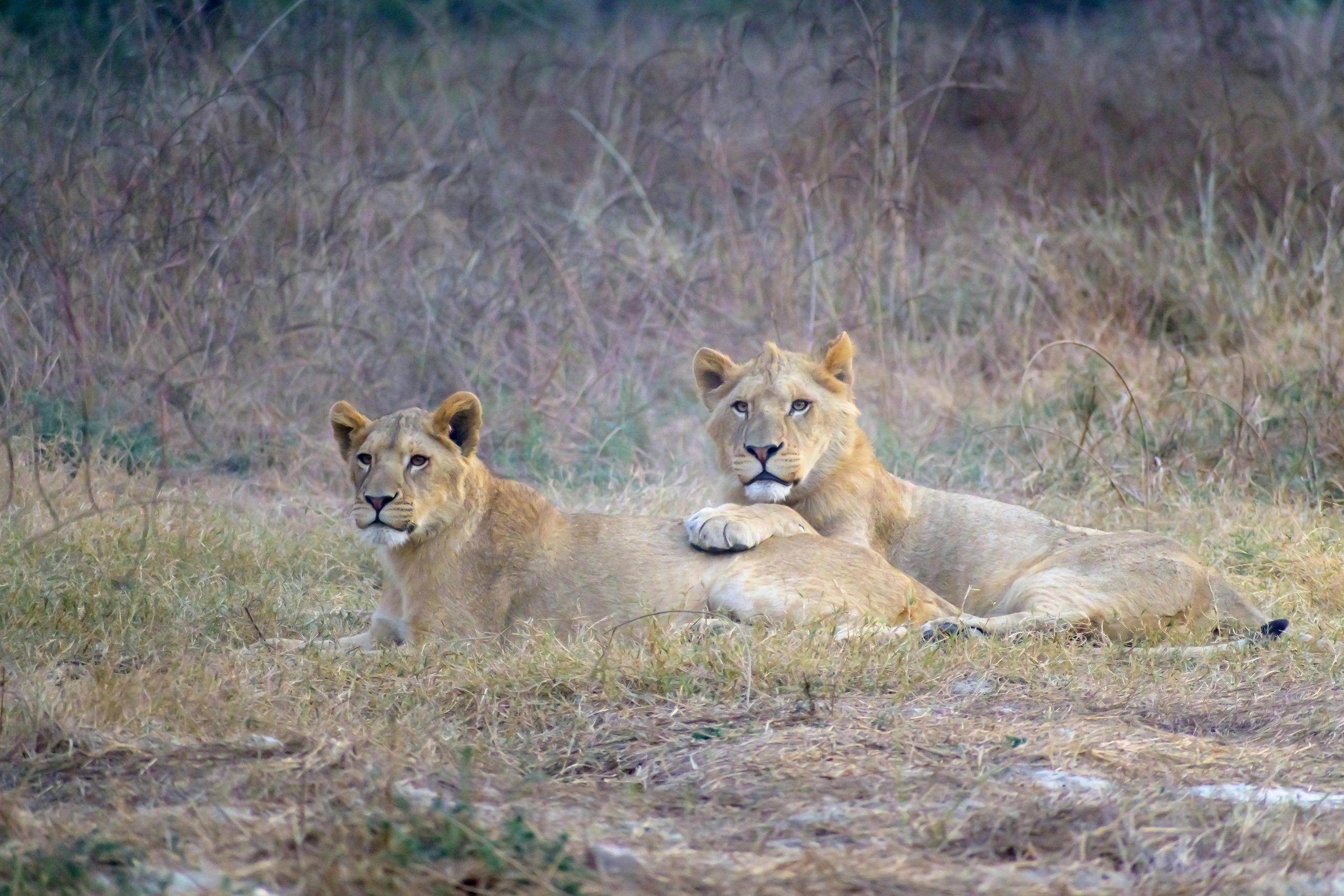
Lion Lifespan
Lion Lifespan
The Complete Guide to Lion Lifespan: From Cubs to Kings of the Savannah
Lions, often referred to as the “kings of the jungle,” are majestic apex predators that have fascinated humans for centuries. Their strength, social structure, and iconic roar make them one of the most recognized animals on Earth. But how long do lions live? What factors influence their longevity? In this comprehensive guide, we delve deep into the lion lifespan, exploring every stage of their life, the challenges they face, and what determines their survival in the wild and captivity.
Introduction to Lion Lifespan
The average lifespan of a lion varies significantly depending on its environment. In the wild, lions typically live between 10 to 14 years, while in captivity, where threats are minimal and food is abundant, they can live up to 20 years or more.
Lions belong to the species Panthera leo, and their lifespan is influenced by a multitude of factors, including genetics, habitat conditions, social dynamics, and human interference. Understanding these factors provides insight into the life of one of nature’s most formidable predators.
Life Stages of a Lion
Lions go through several distinct life stages, each with its own challenges and milestones.
1. Cub Stage (0–2 Years)
- Birth and Early Development: Lion cubs are born blind and helpless. They weigh around 1.5 kg at birth and rely entirely on their mother for nourishment and protection.
- Weaning: Around 6–7 months, cubs begin to eat meat, although they continue nursing for up to a year.
- Mortality: Cub mortality is high, with up to 80% dying before the age of two due to predation, starvation, or abandonment.
2. Juvenile Stage (2–3 Years)
- Learning to Hunt: Juveniles start participating in hunts and learning social roles within the pride.
- Male Dispersal: Young males are often forced out of the pride around age 3 to prevent inbreeding and to seek new territories.
3. Adult Stage (3–10 Years)
- Maturity: Lions reach sexual maturity around 3–4 years of age.
- Dominance and Reproduction: Males that take over a pride will mate with females and protect the group from rival males.
- Prime Years: Between 5–9 years, lions are at their physical peak.
4. Senior Stage (10+ Years)
- Decline: Older lions experience a decline in strength and hunting ability.
- Vulnerability: They may be ousted by younger rivals or die from injuries, disease, or starvation.
Factors Affecting Lion Longevity
Several variables influence how long lions live:
Environmental Factors
- Habitat Quality: Access to water, prey, and shelter directly affects survival.
- Climate: Extreme weather can reduce prey availability and increase disease risk.
Social Structure
- Pride Dynamics: Lions in stable prides tend to live longer due to cooperative hunting and protection.
- Male Takeovers: New dominant males often kill existing cubs, shortening the reproductive success of females.
Human Impact
- Poaching: Illegal hunting for trophies or body parts significantly reduces lion populations.
- Habitat Loss: Urbanization and agriculture shrink lion habitats, increasing human-wildlife conflict.
- Conservation Areas: Protected reserves improve lifespan by reducing threats.
Health and Genetics
- Genetic Diversity: Inbreeding in isolated populations can lead to health issues.
- Disease: Lions are susceptible to diseases like canine distemper and bovine tuberculosis.
Lifespan of Lions in the Wild vs. Captivity
| Environment | Average Lifespan | Key Influences |
|---|---|---|
| Wild | 10–14 years | Predation, competition, disease, human conflict |
| Captivity | 18–22 years | Veterinary care, regular feeding, no predators |
Captive Lions
Lions in zoos or sanctuaries benefit from:
- Veterinary Care: Early detection and treatment of illnesses.
- Consistent Diet: No need to hunt or compete for food.
- Protection: No threats from rival lions or poachers.
However, captivity can also lead to:
- Obesity
- Boredom and stress
- Reduced natural behaviors
Threats to Lion Survival
Lions face numerous threats that impact their lifespan and population numbers.
Natural Threats
- Injuries from Hunting
- Predation on Cubs by Other Predators
- Rival Male Lions
Human-Induced Threats
- Trophy Hunting: Legal in some countries, but controversial due to its impact on pride dynamics.
- Poaching: Driven by demand for lion bones and other body parts.
- Habitat Fragmentation: Roads and farms disrupt migration and hunting patterns.
Conservation Efforts and Their Impact
Numerous organizations and governments are working to protect lion populations and extend their lifespan.
Key Conservation Strategies
- Protected Areas: National parks like Serengeti and Kruger offer safe habitats.
- Anti-Poaching Units: Patrols and surveillance to deter illegal hunting.
- Community Involvement: Educating locals on the benefits of lion conservation.
- Captive Breeding Programs: Help maintain genetic diversity.
Notable Organizations
These efforts have shown success in stabilizing some lion populations, though challenges remain.
Interesting Facts About Lion Aging
- Mane Color: A lion’s mane darkens with age and is a sign of health and virility.
- Roar Strength: Older males have deeper, more resonant roars.
- Tooth Wear: Aging lions often suffer from worn teeth, affecting their ability to hunt.
- Scars and Injuries: Older lions bear more battle scars from fights and hunts.
- Behavioral Changes: Senior lions become less active and may rely more on scavenging.
FAQs About Lion Lifespan
1. How long do lions live in the wild?
Lions in the wild typically live between 10 to 14 years, though many die younger due to natural and human threats.
2. What is the oldest known lion?
The oldest recorded lion lived to be 29 years old in captivity, far exceeding the average wild lifespan.
3. Do male or female lions live longer?
Female lions often live longer than males because they remain in the pride and face fewer territorial battles.
4. Why do lions live longer in captivity?
In captivity, lions benefit from medical care, a steady food supply, and protection from predators, which significantly increases their lifespan.
5. What can be done to help lions live longer in the wild?
- Support conservation organizations
- Promote sustainable tourism
- Advocate for anti-poaching laws
- Educate communities on coexistence strategies
Conclusion
The lifespan of a lion is a complex interplay of biology, environment, and human influence. While wild lions face numerous challenges that limit their longevity, those in captivity can live nearly twice as long under optimal care. Understanding the factors that affect lion lifespan is crucial not only for appreciating these magnificent animals but also for ensuring their survival for future generations.
By supporting conservation efforts and spreading awareness, we can help ensure that lions continue to roam the savannahs and grasslands of Africa, roaring proudly as the true kings of the wild.