
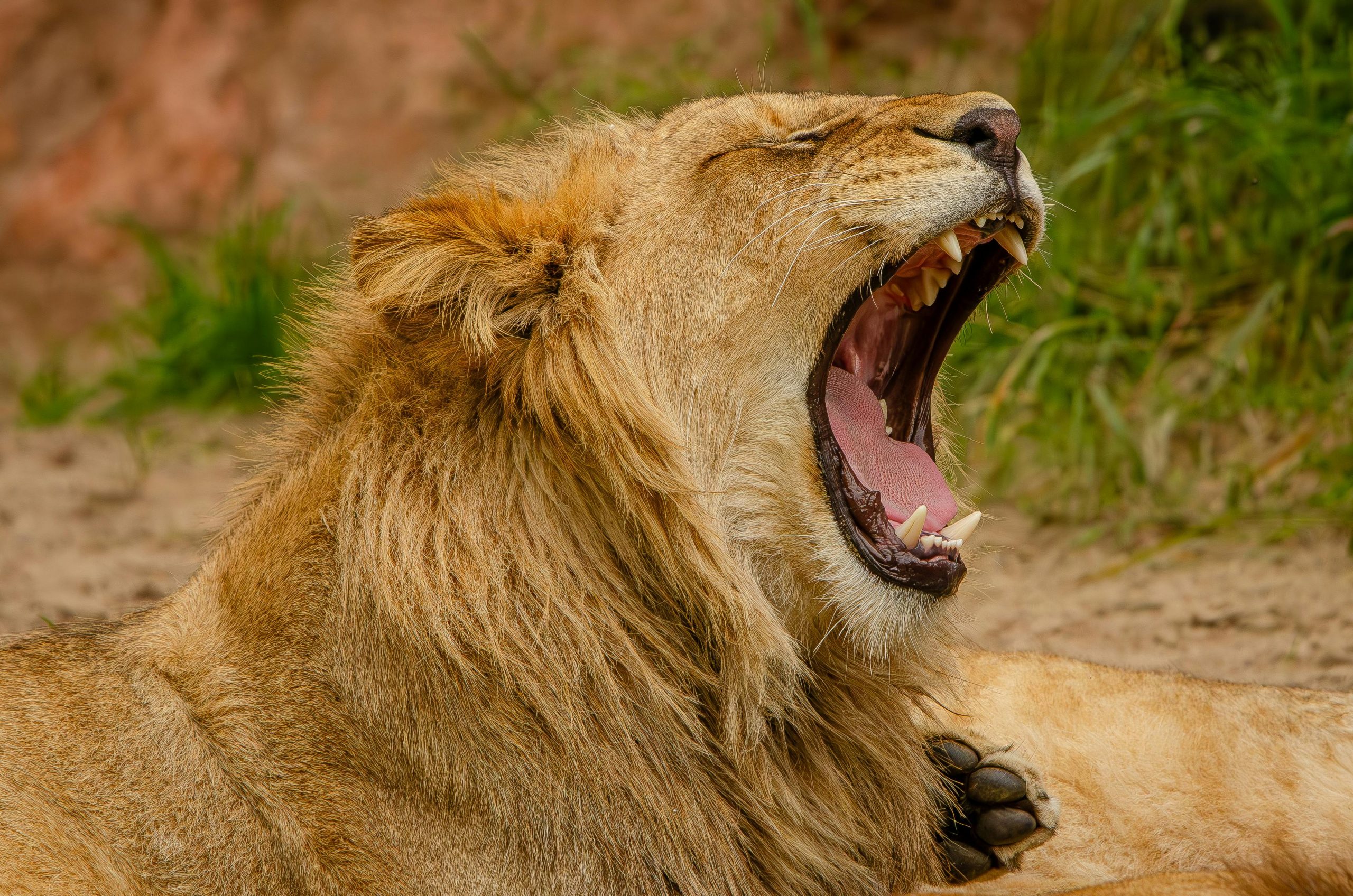
Male Lion Mane
Male Lion Mane
The Majestic Crown: Understanding the Male Lion Mane in Depth
Introduction
The male lion mane is one of the most iconic and recognizable features in the animal kingdom. Often associated with power, dominance, and virility, the mane is far more than just a symbol of beauty. It plays a crucial role in the lion’s social structure, mating success, and even survival. In this comprehensive article, we delve into the evolutionary purpose, biological significance, and fascinating facts surrounding the mane of the male lion.
From the golden savannas of Africa to the dense forests of India, the mane serves as both armor and advertisement. This article explores every aspect of this regal feature, offering insights backed by scientific research, evolutionary biology, and wildlife observation.
The Evolutionary Purpose of the Lion’s Mane
A Shield in Battle
One of the most widely accepted theories about the lion mane is its function as a protective shield. When male lions engage in territorial disputes or fights for dominance, the mane provides a layer of defense around the neck and head, two of the most vulnerable areas during combat.
- Thicker manes offer better protection against bites and scratches.
- Darker manes may indicate higher testosterone levels, which correlate with aggression and strength.
- Longer manes can intimidate rivals, reducing the likelihood of physical confrontation.
A Signal of Strength and Health
The mane is a visual cue to other lions, especially females. A lush, dark mane is often a sign of a healthy, genetically superior male. Studies have shown that lionesses are more attracted to males with fuller, darker manes.
According to a study by the University of Minnesota, lionesses preferred males with darker manes, associating them with better genetic fitness and higher reproductive success.
Factors Influencing Mane Development
Genetics
Genetics play a significant role in determining the color, length, and density of a lion’s mane. Subspecies such as the Asiatic lion often have shorter and sparser manes compared to their African counterparts.
Climate and Environment
Environmental conditions greatly influence mane development. Lions living in hotter climates tend to have shorter, lighter manes due to the risk of overheating.
- African lions in cooler regions like the Serengeti often have fuller manes.
- Tsavo lions in Kenya are known for their almost maneless appearance, likely due to extreme heat.
Hormonal Influence
Testosterone levels are directly linked to mane growth. Males with higher testosterone tend to develop darker and denser manes. Conversely, castrated lions or those with hormonal imbalances often lose their manes or never develop them fully.
The Mane as a Social Status Symbol
Dominance and Hierarchy
In lion prides, the mane serves as a badge of rank. Males with impressive manes are more likely to dominate other males and secure mating rights. This visual cue helps avoid unnecessary fights, as weaker males often retreat when confronted by a more imposing rival.
Reproductive Success
A well-developed mane is a key factor in reproductive selection. Females are more likely to mate with males who display this trait, ensuring the survival of the fittest genes.
- Mane length and color are indicators of age and vitality.
- Males with darker manes have higher offspring survival rates.
Regional Variations in Mane Characteristics
African Lions
African lions (Panthera leo leo) exhibit the most variation in mane development. Depending on the region, their manes can range from pale blonde to jet black.
- Serengeti lions: Known for their thick, dark manes.
- Kalahari lions: Often have lighter, sparser manes due to arid conditions.
Asiatic Lions
The Asiatic lion, found in India’s Gir Forest, has a much shorter and less developed mane. This is likely an adaptation to the humid climate and dense forest environment.
The Science Behind Mane Coloration
Melanin and Hormones
The color of a lion’s mane is determined by the concentration of melanin, which is influenced by hormonal levels, particularly testosterone. Higher levels result in darker pigmentation.
Age and Maturity
As lions age, their manes typically darken and become fuller. However, this is not always the case, as environmental stress and health issues can also impact mane development.
The Mane and Human Perception
Cultural Symbolism
Throughout history, the lion’s mane has been a symbol of royalty, courage, and masculinity. From ancient Mesopotamian art to modern-day emblems, the lion’s majestic appearance continues to inspire awe.
Conservation and Tourism
The allure of the male lion’s mane plays a significant role in wildlife tourism. Tourists flock to African safaris hoping to catch a glimpse of a majestic lion in full mane, contributing to local economies and conservation efforts.
Threats to the Lion Mane
Climate Change
Rising global temperatures may impact mane development, leading to shorter and lighter manes. This could affect mating patterns and social structures within lion populations.
Trophy Hunting
Trophy hunters often target lions with the most impressive manes, removing genetically superior individuals from the gene pool. This practice can have long-term consequences on lion populations.
Habitat Loss
Deforestation and human encroachment reduce the natural habitats of lions, leading to increased stress and reduced opportunities for healthy mane development.
Fascinating Facts About the Male Lion Mane
- The mane can grow up to 16 cm (6.3 inches) in length.
- Darker manes are associated with higher testosterone and better nutrition.
- Some male lions are completely maneless, especially in hot climates.
- The mane begins to develop at around 1 year of age and continues to grow until the lion is about 5 years old.
- A lion’s mane can change color over time due to age, health, and environmental factors.
How Scientists Study Lion Manes
Field Observations
Researchers observe lion behavior and physical characteristics in the wild to gather data on mane development and its correlation with social dynamics.
Hormonal Analysis
By analyzing hormone levels in lion feces or blood samples, scientists can determine the relationship between testosterone and mane characteristics.
Genetic Studies
DNA analysis helps researchers understand the hereditary aspects of mane growth and how it varies among different lion populations.
Conservation Efforts and the Role of the Mane
Protecting Genetic Diversity
Conservation programs aim to preserve the genetic traits associated with robust mane development. This includes protecting dominant males and ensuring a healthy breeding population.
Educating the Public
Raising awareness about the importance of the lion’s mane helps garner support for conservation initiatives. Wildlife documentaries and educational campaigns often highlight the mane’s significance.
Anti-Poaching Measures
Efforts to combat poaching and illegal hunting are crucial in preserving lions with superior mane traits. Protected reserves and stricter laws are essential components of these efforts.
FAQs About the Male Lion Mane
1. Why do only male lions have manes?
Male lions have manes primarily due to sexual dimorphism, where males and females of a species exhibit different physical characteristics. The mane serves as a visual signal of strength and reproductive fitness.
2. Do all male lions grow manes?
Not all male lions grow prominent manes. Factors such as genetics, climate, and hormonal levels can influence mane development. For example, Tsavo lions are known for their minimal manes.
3. Can a lion lose its mane?
Yes, lions can lose their manes due to illness, injury, or hormonal imbalances. Castrated lions often lose their manes entirely due to the absence of testosterone.
4. What does a dark mane indicate?
A dark mane typically indicates high testosterone levels, good health, and dominance. It is often preferred by females and feared by rival males.
5. How does the mane affect a lion’s survival?
The mane provides protection during fights, enhances mating success, and helps establish social hierarchy. However, it can also be a disadvantage in hot climates due to the risk of overheating.
Conclusion
The male lion mane is a multifaceted feature that serves as a testament to the lion’s evolutionary success. It is not just a symbol of beauty but a critical component of survival, reproduction, and social structure. As we continue to study and protect these majestic creatures, understanding the role of the mane becomes ever more important.
Whether admired in the wild or revered in culture, the lion’s mane remains a powerful emblem of nature’s grandeur. By supporting conservation efforts and respecting these regal animals, we ensure that future generations can continue to marvel at the king of the savanna in all his maned glory.