
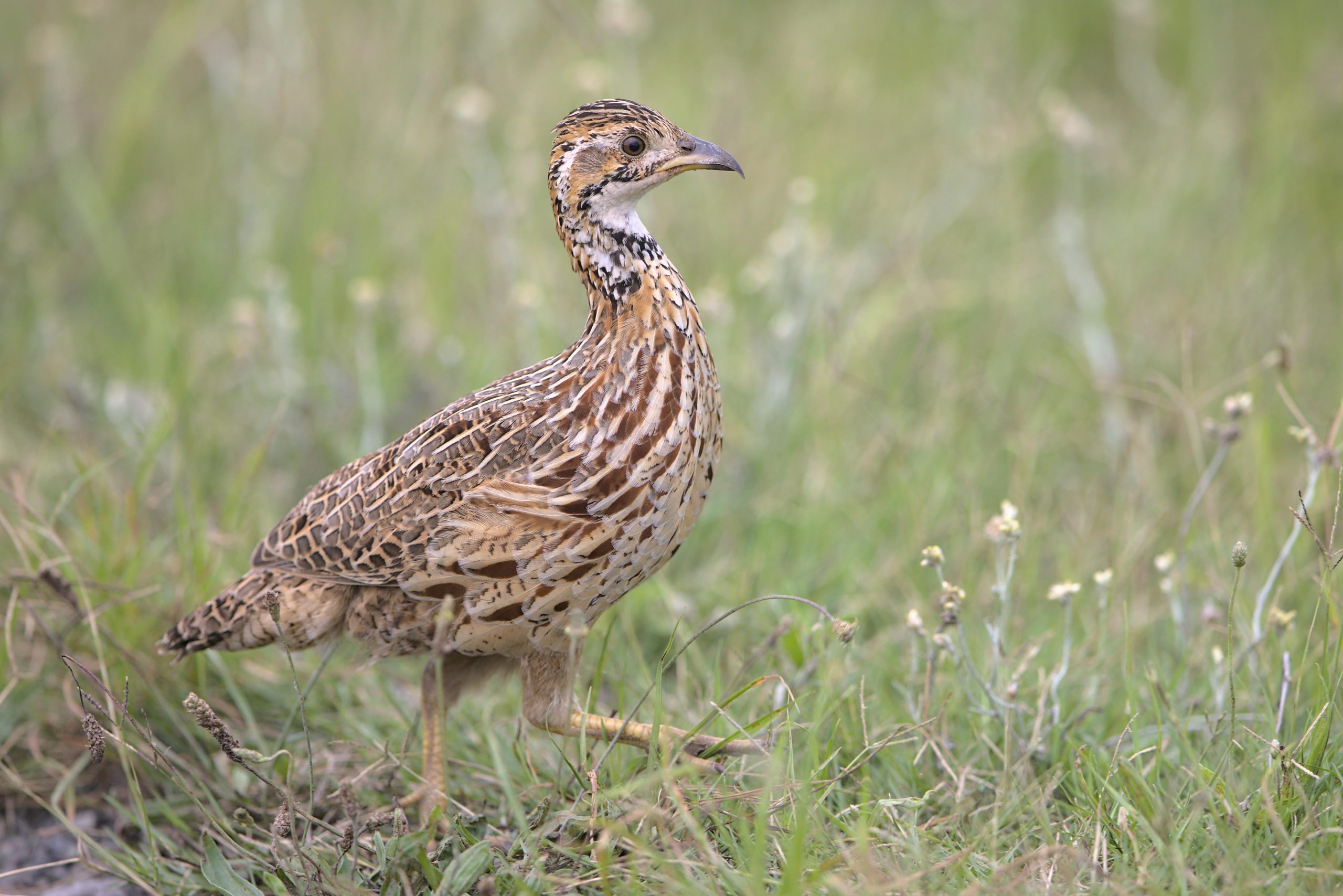
Jackson’s Francolin
Jackson’s Francolin
Jackson’s Francolin: A Comprehensive Guide to the Elusive East African Gamebird
Introduction
The avian world is rich with diversity, and among its lesser-known yet fascinating inhabitants is the Jackson’s Francolin (Pternistis jacksoni). Native to the highland regions of East Africa, this elusive bird is a member of the Phasianidae family, which includes pheasants, partridges, and other francolins. Despite its ecological significance and unique behaviors, Jackson’s Francolin remains underrepresented in ornithological literature and conservation discussions.
This in-depth article explores every facet of this remarkable species—from its habitat and behavior to its conservation status and ecological role. Whether you’re a birdwatcher, conservationist, or simply a lover of wildlife, this guide offers a compelling look at one of Africa’s hidden gems.
Taxonomy and Classification
Jackson’s Francolin belongs to the order Galliformes, a group of heavy-bodied ground-feeding birds. Within this order, it is classified under the family Phasianidae, which encompasses a wide array of gamebirds.
- Scientific Name: Pternistis jacksoni
- Common Names: Jackson’s Francolin, Jackson’s Spurfowl
- Family: Phasianidae
- Genus: Pternistis
Named after Frederick John Jackson, a British colonial administrator and ornithologist, this bird was first described in the early 20th century. It is closely related to other African francolins, such as the Red-necked Spurfowl and Shelley’s Francolin.
Physical Description
Jackson’s Francolin is a medium-sized bird, typically measuring about 35–40 cm in length. It exhibits sexual dimorphism, with males generally larger and more vividly colored than females.
Key Features:
- Plumage: The bird has a rufous-brown back with intricate black and white barring on the underparts.
- Head: A distinctive buff-colored face with a dark eye stripe.
- Legs: Strong, reddish legs equipped with spurs, especially prominent in males.
- Beak: Short, curved, and dark-colored, ideal for foraging.
The bird’s cryptic coloration allows it to blend seamlessly into its montane forest environment, making sightings a rare and rewarding experience for birdwatchers.
Habitat and Distribution
Jackson’s Francolin is endemic to the highland forests of Kenya and Uganda, particularly in the Aberdare Range, Mount Elgon, and Mount Kenya regions.
Preferred Habitats:
- Montane forests
- Bamboo zones
- Forest edges and clearings
- High-altitude grasslands (above 1,800 meters)
This species thrives in dense undergrowth and avoids open areas, which contributes to its elusive nature.
Geographic Range:
- Kenya: Aberdare Mountains, Mount Kenya, Mau Forest Complex
- Uganda: Mount Elgon National Park
BirdLife International classifies the species as range-restricted, meaning its habitat is limited to a small geographical area, increasing its vulnerability to environmental changes.
Behavior and Diet
Jackson’s Francolin is a terrestrial bird, spending most of its time foraging on the forest floor. It is typically seen in pairs or small family groups and is known for its shy, secretive behavior.
Daily Activities:
- Foraging: Early morning and late afternoon
- Roosting: In dense vegetation or low branches at night
- Vocalization: Loud, harsh calls often heard at dawn and dusk
Diet:
- Insects (beetles, ants, termites)
- Seeds and grains
- Berries and small fruits
- Shoots and tender plant parts
Its omnivorous diet plays a crucial role in seed dispersal and insect population control within its ecosystem.
Breeding and Life Cycle
Breeding typically coincides with the rainy season when food is abundant. The species is monogamous, with pairs forming strong bonds during the breeding period.
Reproductive Behavior:
- Nesting: Ground nests hidden in thick vegetation
- Clutch Size: 4–6 eggs
- Incubation: 18–21 days
- Chick Rearing: Both parents participate in protecting and guiding the chicks
Chicks are precocial, meaning they are born with open eyes and are capable of walking and feeding themselves shortly after hatching.
Conservation Status
According to the IUCN Red List, Jackson’s Francolin is currently classified as Near Threatened. The primary concerns include habitat degradation and fragmentation due to human activities.
Key Threats:
- Deforestation for agriculture and logging
- Encroachment by human settlements
- Climate change affecting montane ecosystems
- Hunting and trapping (though less common)
Despite its remote habitat, the species is not immune to anthropogenic pressures, making conservation efforts crucial.
Ecological Importance
Jackson’s Francolin plays an integral role in its ecosystem. As both predator and prey, it contributes to the ecological balance of montane forests.
Ecological Roles:
- Seed Disperser: Aids in forest regeneration
- Insect Control: Helps manage pest populations
- Prey Species: Serves as food for raptors and small carnivores
Its presence is often an indicator of a healthy, undisturbed forest environment, making it a valuable species for ecological monitoring.
Threats and Challenges
The challenges facing Jackson’s Francolin are multifaceted and often interconnected. Conservationists must address both direct and indirect threats to ensure the species’ survival.
Major Threats:
- Habitat Loss: Due to logging, agriculture, and infrastructure development
- Climate Change: Alters the delicate balance of montane ecosystems
- Invasive Species: Compete for food and nesting sites
- Lack of Awareness: Limited public knowledge hampers conservation efforts
Conservation Efforts and Initiatives
Several organizations and local communities are working to protect Jackson’s Francolin and its habitat.
Key Initiatives:
- Protected Areas: Inclusion in national parks like Mount Elgon and Aberdare
- Community Engagement: Educating locals on sustainable land use
- Research and Monitoring: Conducted by ornithologists and conservation NGOs
- Reforestation Programs: Restoring degraded forest areas
Support from international conservation bodies like BirdLife International and Nature Kenya has been instrumental in these efforts.
Birdwatching Tips
Spotting Jackson’s Francolin in the wild is a rewarding experience for any birding enthusiast. However, it requires patience, preparation, and a bit of luck.
Best Practices:
- Visit Early: Early morning is the best time for sightings
- Use Binoculars: Essential for spotting birds in dense foliage
- Stay Quiet: The bird is shy and easily startled
- Hire a Guide: Local guides know the best spots and behaviors
Recommended Locations:
- Mount Elgon National Park (Uganda)
- Aberdare National Park (Kenya)
- Mount Kenya Forest Reserve
Frequently Asked Questions
1. What makes Jackson’s Francolin different from other francolins?
Jackson’s Francolin is unique due to its restricted highland habitat, distinctive plumage, and elusive behavior. Unlike more widespread species, it is adapted to cooler, forested environments.
2. Is Jackson’s Francolin endangered?
While not currently endangered, it is listed as Near Threatened by the IUCN, primarily due to habitat loss and fragmentation.
3. Can Jackson’s Francolin be found outside Kenya and Uganda?
No, it is endemic to the highland regions of Kenya and Uganda, making it a region-specific species of ecological importance.
4. What is the best time of year to see Jackson’s Francolin?
The best time is during the dry season (June to September), when trails are accessible and the birds are more active.
5. How can I help in conserving Jackson’s Francolin?
You can support conservation by donating to organizations like Nature Kenya, participating in ecotourism, and spreading awareness about the species.
Conclusion
Jackson’s Francolin is more than just a bird—it is a symbol of the fragile beauty of East Africa’s montane ecosystems. Its survival depends not only on protected areas but also on our collective awareness and action. By understanding and appreciating this elusive species, we take a step closer to preserving the rich biodiversity of our planet.
Whether you’re an ornithologist, a traveler, or a conservation advocate, the story of Jackson’s Francolin is a reminder that even the most hidden creatures deserve our attention and protection.