
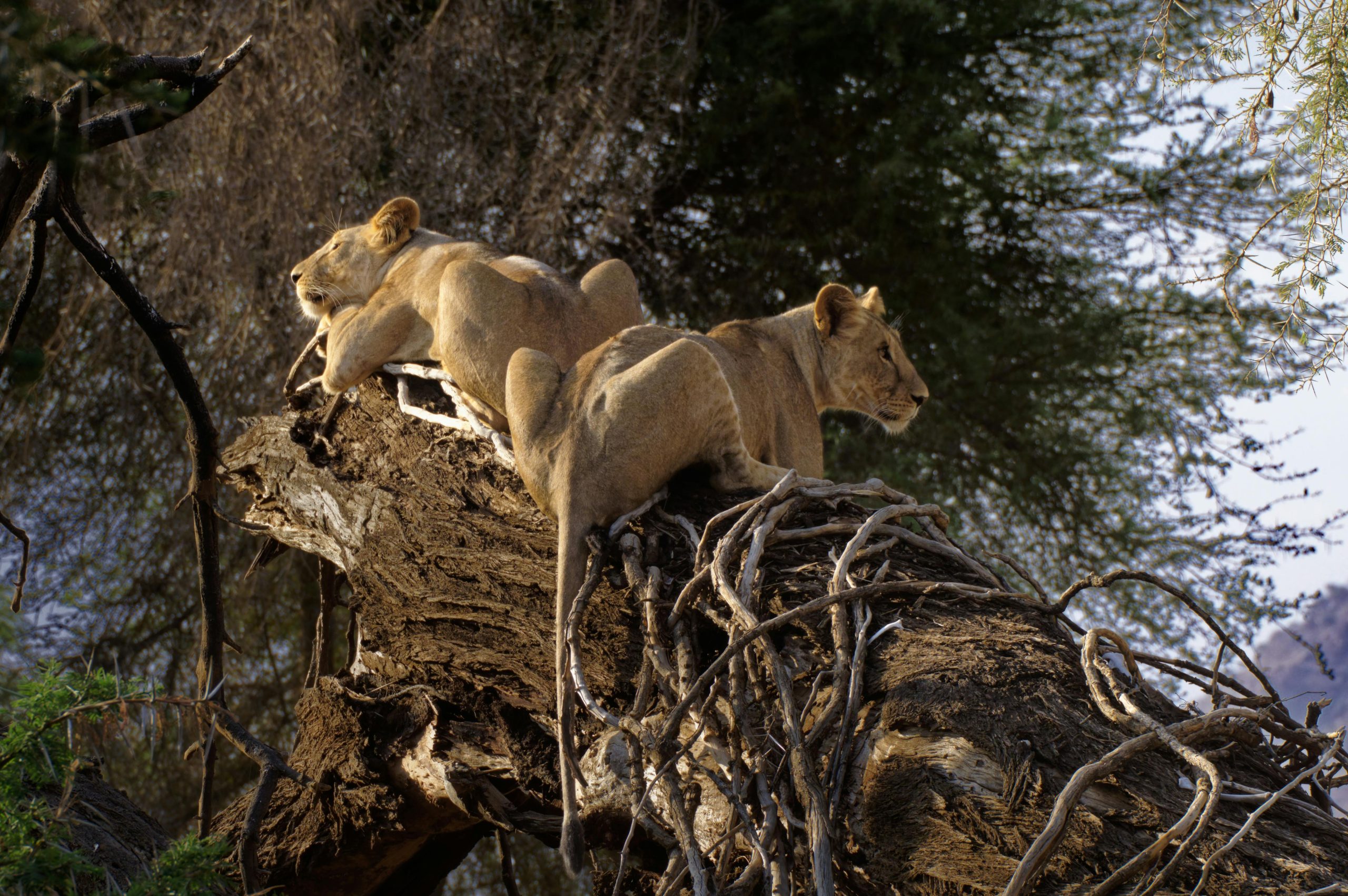
Tree Climbing Lions Uganda
Tree Climbing Lions Uganda
Tree Climbing Lions in Uganda: Nature’s Rare Spectacle in the Pearl of Africa
Introduction
Among the many wonders that Uganda, the “Pearl of Africa,” has to offer, few are as captivating and mysterious as the phenomenon of tree climbing lions. These majestic predators, typically known for their terrestrial prowess, have developed an unusual and rare behavior — lounging in the branches of fig and acacia trees. Found predominantly in the Ishasha sector of Queen Elizabeth National Park, these lions have become a symbol of Uganda’s unique biodiversity and an irresistible attraction for wildlife enthusiasts and photographers alike.
In this comprehensive guide, we delve deep into the world of Uganda’s arboreal lions, exploring their behavior, habitat, conservation status, and the best ways to witness them in the wild.
The Unique Phenomenon of Tree Climbing Lions
What Makes These Lions Different?
Unlike their counterparts in other parts of Africa, the lions in Uganda have developed a peculiar habit of climbing trees and resting on branches — a behavior rarely observed in other lion populations. While lions in places like the Serengeti or Kruger National Park are known to occasionally climb trees, it is only in Uganda and parts of Tanzania where this behavior is habitual and widespread.
Theories Behind the Behavior
Several theories attempt to explain why these lions have taken to the trees:
- Escape from Heat: The elevated branches offer a cool breeze and shade, helping the lions avoid the scorching heat on the ground.
- Avoiding Insects: Tree branches provide a refuge from biting insects such as tsetse flies and ground-dwelling parasites.
- Better Viewpoints: From the treetops, lions can scan the savannah for prey or potential threats.
- Cultural Behavior: Some researchers suggest this may be a learned behavior passed down through generations in this specific lion population.
The Ishasha Sector: Home of Uganda’s Tree Climbing Lions
Location and Geography
The Ishasha sector is located in the southern part of Queen Elizabeth National Park, one of Uganda’s most visited and ecologically diverse protected areas. This region is characterized by sprawling savannahs, acacia woodlands, and fig trees — the perfect environment for lions to climb and rest.
Wildlife Beyond Lions
While the tree climbing lions are the main attraction, Ishasha is also home to:
- African elephants
- Topi antelopes
- Buffalo herds
- Hippos and crocodiles in the Ishasha River
- Over 600 bird species, making it a haven for birdwatchers
The Significance of Tree Climbing Lions in Uganda’s Tourism
A Major Tourist Draw
The tree climbing lions have become a flagship attraction for Uganda’s tourism industry. Wildlife safaris in Queen Elizabeth National Park often include a dedicated drive through the Ishasha sector, with the hope of spotting these elusive creatures perched high above the ground.
Photography and Media Attention
These lions have been featured in numerous international documentaries and travel magazines, including:
- National Geographic
- BBC Earth
- Lonely Planet
- Conde Nast Traveler
Their photogenic poses atop tree branches have made them a favorite subject for wildlife photographers.
Conservation Challenges and Efforts
Threats to the Tree Climbing Lions
Despite their iconic status, these lions face several threats:
- Habitat loss due to agricultural encroachment
- Human-wildlife conflict, especially with local communities
- Poaching and illegal wildlife trade
- Climate change, which alters their habitat and prey availability
Conservation Initiatives
Several organizations are working to protect Uganda’s lions:
- Uganda Wildlife Authority (UWA)
- Wildlife Conservation Society (WCS)
- African Wildlife Foundation (AWF)
These groups focus on:
- Anti-poaching patrols
- Community education and engagement
- Research and monitoring of lion populations
- Promoting eco-tourism as a sustainable alternative
Best Time and Tips for Viewing Tree Climbing Lions
When to Visit
The best time to see tree climbing lions in Uganda is during the dry seasons:
- June to September
- December to February
During these months, the roads are more accessible, and wildlife is easier to spot due to sparse vegetation.
Safari Tips
- Hire an experienced guide: Local guides know the lions’ favorite trees and behaviors.
- Use a 4×4 vehicle: Some areas are remote and require off-road capability.
- Bring binoculars and a camera: Zoom lenses are essential for capturing lions in trees.
- Be patient and quiet: Lions may be elusive, and silence increases your chances of a sighting.
Other Places to See Tree Climbing Lions
While Ishasha is the most famous location, tree climbing lions have also been spotted in:
- Lake Manyara National Park, Tanzania
- Tarangire National Park, Tanzania (rarely)
- Murchison Falls National Park, Uganda (occasionally)
However, none of these locations offer the consistency and accessibility of the Ishasha sector.
Cultural Significance and Local Communities
The Role of Lions in Ugandan Culture
In many Ugandan communities, lions are seen as symbols of strength, leadership, and courage. Traditional stories and folklore often depict lions as noble creatures, and their presence in the wild is a source of pride.
Community-Based Tourism
Eco-tourism initiatives in Ishasha involve local communities in:
- Guiding and hospitality services
- Craft and souvenir sales
- Conservation education
These efforts help create a sustainable model where both wildlife and people benefit.
Future of Tree Climbing Lions in Uganda
Research and Monitoring
Ongoing studies aim to understand:
- Genetic differences in tree climbing lions
- Behavioral patterns and social structures
- Impacts of tourism and human activity
Sustainable Tourism Development
With proper management, tourism can provide the funding and awareness needed to protect these lions. Key strategies include:
- Limiting vehicle numbers in sensitive areas
- Training guides in ethical wildlife viewing
- Investing in community development projects
Frequently Asked Questions (FAQ)
1. Why do lions climb trees in Uganda?
Lions in Uganda climb trees to escape heat, avoid insects, and gain better vantage points. This behavior is particularly common in the Ishasha sector due to the region’s unique environment and tree species.
2. Where can I see tree climbing lions in Uganda?
The best place to see them is in the Ishasha sector of Queen Elizabeth National Park. Occasionally, they may also be seen in Murchison Falls National Park, but sightings are rare.
3. Are tree climbing lions a different species?
No, they are not a different species. They are the same African lions (Panthera leo) found elsewhere but have developed unique behavioral adaptations.
4. Is it safe to go on a safari to see these lions?
Yes, safaris in Uganda are generally safe when conducted by licensed operators. Always follow your guide’s instructions and maintain a respectful distance from wildlife.
5. How can I contribute to lion conservation?
You can support conservation by:
- Booking eco-friendly tours
- Donating to organizations like WCS or AWF
- Spreading awareness about the importance of protecting Uganda’s wildlife
Conclusion
The tree climbing lions of Uganda are a rare and mesmerizing phenomenon that captivates all who are fortunate enough to witness it. Their presence in the Ishasha sector offers not only a unique wildlife experience but also a powerful reminder of the delicate balance between nature and human activity.
As Uganda continues to emerge as a premier safari destination, the conservation of these iconic creatures becomes ever more important. Whether you’re a seasoned traveler, a wildlife photographer, or a curious adventurer, encountering these majestic lions in the treetops of Queen Elizabeth National Park is an experience that will stay with you forever.
Quick Recap: Why Visit Uganda for Tree Climbing Lions?
- 🌳 Unique lion behavior not seen elsewhere
- 📸 Incredible photographic opportunities
- 🐘 Diverse wildlife in Queen Elizabeth National Park
- 🛖 Authentic cultural experiences with local communities
- 🌍 Support for sustainable and ethical tourism
Explore more about Uganda’s wildlife and plan your next adventure to witness the awe-inspiring tree climbing lions — a true treasure of the African wilderness.