
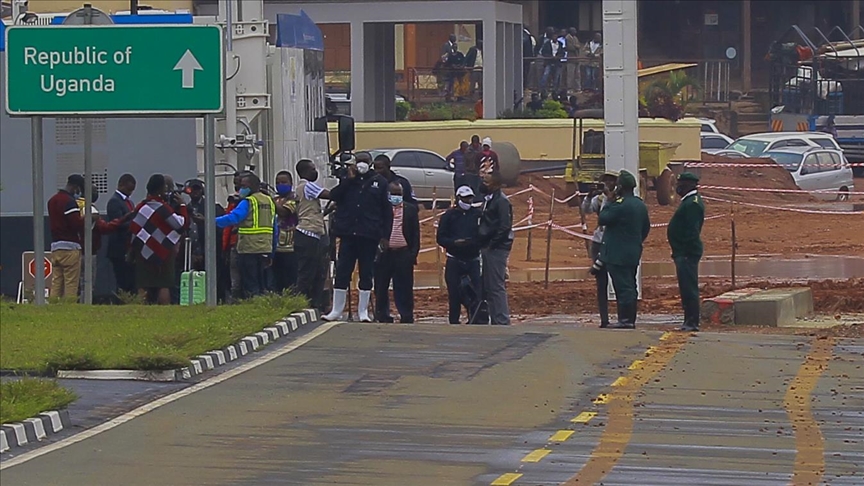
DRC to Uganda
DRC to Uganda
The Strategic and Cultural Corridor: From the Democratic Republic of Congo (DRC) to Uganda
Introduction
The journey from the Democratic Republic of Congo (DRC) to Uganda is more than a geographical transition—it’s a passage through rich cultures, economic potential, and geopolitical significance. These two East-Central African nations share more than just a border; they are intertwined by history, trade, migration, and shared environmental resources. This article delves deep into the multifaceted relationship between the DRC and Uganda, exploring the historical context, trade dynamics, infrastructure development, security concerns, and the socio-cultural exchanges that define this crucial regional corridor.
Historical Context: A Shared Past of Struggle and Resilience
The DRC and Uganda have long-standing historical ties that date back to pre-colonial times. Ethnic groups such as the Bantu-speaking peoples have traditionally moved across what are now national borders, engaging in trade, intermarriage, and cultural exchange.
Colonial Legacies
- The DRC was colonized by Belgium, while Uganda fell under British rule. These colonial experiences shaped their political systems, languages (French in DRC, English in Uganda), and administrative structures.
- Post-independence, both countries experienced political instability, with the DRC enduring decades of conflict and Uganda undergoing military regimes and civil wars.
Cross-Border Conflicts
- The late 1990s and early 2000s saw Uganda’s involvement in the DRC’s internal conflicts, particularly during the First and Second Congo Wars.
- Despite these tensions, recent years have seen efforts to normalize relations and foster regional cooperation.
Economic Interdependence: Trade and Investment
The economic ties between the DRC and Uganda are robust and growing. Uganda serves as a key trade partner and transit route for Congolese goods, while Congolese markets offer opportunities for Ugandan exports.
Major Trade Routes
- The Kasindi-Mpondwe border is one of the busiest crossing points, facilitating the movement of goods such as agricultural produce, minerals, and manufactured items.
- The Bunagana border post is another critical link, especially for trade between eastern DRC and southwestern Uganda.
Key Export and Import Commodities
From Uganda to DRC:
- Processed foods
- Construction materials
- Pharmaceuticals
- Consumer goods
From DRC to Uganda:
- Timber
- Gold and other minerals
- Agricultural products (e.g., palm oil, cassava)
Investment Opportunities
Ugandan businesses are increasingly investing in the DRC, particularly in:
- Retail and wholesale trade
- Transport and logistics
- Real estate and construction
- Telecommunications
Infrastructure Development: Bridging the Divide
Infrastructure is a cornerstone of regional integration. Both countries, with support from international partners, are investing heavily in cross-border infrastructure.
Road Networks
- The Mpondwe-Kasindi road upgrade project, funded by the African Development Bank, aims to improve connectivity and reduce transport costs.
- Other road projects include the rehabilitation of the Goli-Mahagi-Bunia and Bunagana-Rutshuru-Goma corridors.
Energy Cooperation
- Uganda’s electricity surplus is being exported to eastern DRC, helping to address chronic power shortages.
- Hydroelectric projects along shared rivers are being explored for joint development.
Digital Connectivity
- Cross-border fiber optic projects are enhancing internet connectivity, supporting e-commerce and digital trade.
Security and Border Management
Security remains a critical issue along the DRC-Uganda border, particularly in the eastern DRC, which has been plagued by armed groups.
Joint Military Operations
- In 2021, Uganda launched a joint operation with the DRC against the Allied Democratic Forces (ADF), a rebel group accused of terrorism and cross-border attacks.
- These operations aim to stabilize the region and open up economic corridors.
Refugee Movements
- Uganda hosts over 1.5 million refugees, many of whom are from the DRC.
- The country’s open-door refugee policy has been praised globally, offering education, healthcare, and livelihoods to displaced persons.
Border Surveillance and Customs
- Modern border posts like the One Stop Border Post (OSBP) at Mpondwe streamline customs procedures and enhance security.
- Biometric systems and surveillance technologies are being deployed to monitor illegal activities.
Cultural and Social Exchange
The cultural ties between the DRC and Uganda are vibrant and multifaceted, driven by shared traditions, languages, and social norms.
Linguistic Diversity
- Swahili is widely spoken in both countries, serving as a lingua franca for trade and communication.
- Other languages like Lingala, Luganda, and French are also common in border areas.
Music and Arts
- Congolese music, especially soukous and rumba, is immensely popular in Uganda.
- Ugandan artists frequently collaborate with Congolese musicians, creating a fusion of styles that resonates across the region.
Religious and Ethnic Connections
- Both countries have significant Christian and Muslim populations, with cross-border religious missions and pilgrimages.
- Ethnic groups such as the Bakonzo and Bamba straddle the border, maintaining strong familial and cultural ties.
Environmental and Ecological Linkages
The DRC and Uganda share some of the most biodiverse ecosystems on the planet, including the Albertine Rift and the Virunga Mountains.
Shared Natural Resources
- Lake Albert and Lake Edward are critical for fishing, transport, and water supply.
- The Semuliki River forms part of the border and supports agriculture and biodiversity.
Conservation Efforts
- Joint conservation initiatives are underway in the Virunga National Park and Rwenzori Mountains National Park.
- Anti-poaching campaigns and eco-tourism projects are helping to protect endangered species like mountain gorillas.
Regional Integration and Diplomatic Relations
The DRC’s recent accession to the East African Community (EAC) marks a new chapter in regional integration.
Benefits of EAC Membership
- Harmonized trade policies and reduced tariffs
- Access to a larger market of over 300 million people
- Enhanced infrastructure funding and regional projects
Bilateral Agreements
- MoUs on trade, security, and infrastructure have been signed between Kampala and Kinshasa.
- Diplomatic missions have been strengthened to foster cooperation and resolve disputes amicably.
Challenges and Opportunities
While the DRC-Uganda relationship holds immense promise, several challenges must be addressed.
Key Challenges
- Persistent insecurity in eastern DRC
- Corruption and inefficiencies at border posts
- Poor infrastructure in remote areas
- Language barriers and bureaucratic red tape
Emerging Opportunities
- Expansion of cross-border Special Economic Zones (SEZs)
- Development of joint industrial parks
- Growth of digital trade and fintech solutions
- Youth and women empowerment through cross-border entrepreneurship
Future Outlook
The corridor from the DRC to Uganda is poised for transformation. With sustained political will, investment in infrastructure, and community engagement, this route can become a model for regional integration in Africa.
Strategic Priorities
- Strengthening peace and security through multilateral cooperation
- Enhancing trade facilitation and customs efficiency
- Promoting inclusive development and cultural exchange
- Leveraging digital tools for governance and commerce
Frequently Asked Questions (FAQ)
1. What is the main border crossing between the DRC and Uganda?
The Kasindi-Mpondwe border is the most active border crossing, facilitating significant trade and movement between the two countries.
2. Is it safe to travel from Uganda to the DRC?
While some areas are secure, especially near official border posts, parts of eastern DRC remain volatile due to armed groups. Travelers should consult government travel advisories and local authorities before crossing.
3. What goods are commonly traded between the DRC and Uganda?
Uganda exports food, construction materials, and pharmaceuticals, while the DRC exports minerals, timber, and agricultural products. Learn more about regional trade dynamics.
4. How has the DRC’s membership in the EAC affected its relationship with Uganda?
The DRC’s EAC membership has facilitated trade, reduced tariffs, and opened up new opportunities for regional cooperation and infrastructure development.
5. Are there joint infrastructure projects between the two countries?
Yes, projects like the Mpondwe-Kasindi road and cross-border electricity and internet connectivity initiatives are key examples of bilateral cooperation.
Conclusion
The journey from the DRC to Uganda is emblematic of Africa’s broader quest for unity, prosperity, and peace. As these two nations deepen their ties through trade, infrastructure, and cultural exchange, they illuminate a path forward for regional integration and sustainable development. By harnessing their shared strengths and addressing common challenges, the DRC and Uganda can build a future that benefits not only their citizens but the entire East-Central African region.