
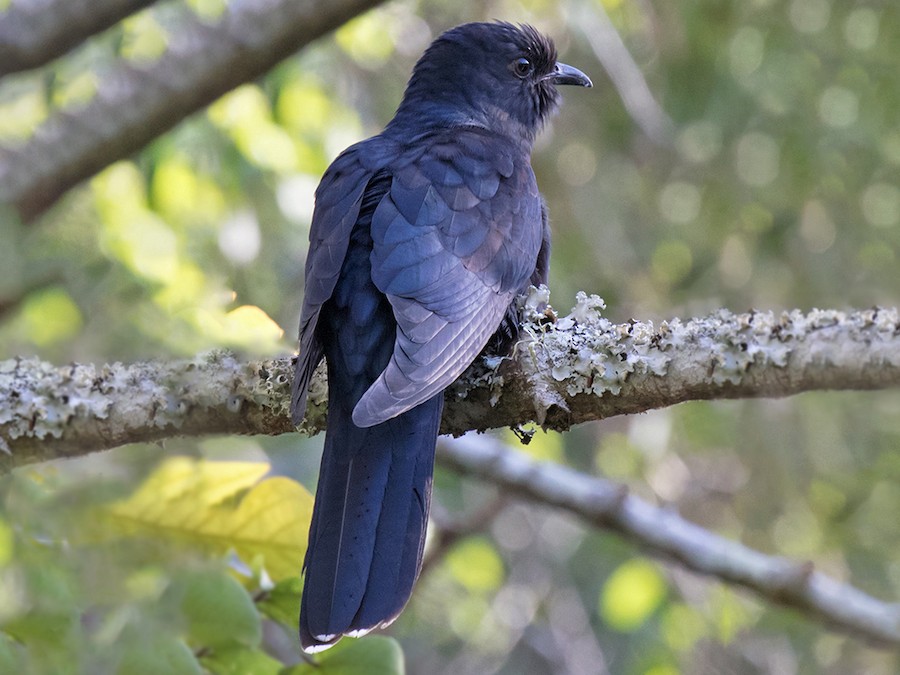
Black Cuckoo
Black Cuckoo
The Black Cuckoo: Nature’s Elusive Songbird and Its Mysterious Ways
Introduction
The Black Cuckoo (Cuculus clamosus) is a fascinating avian species native to sub-Saharan Africa. Known for its haunting call and secretive habits, this bird has intrigued ornithologists and birdwatchers alike. Unlike its more famous cousin, the Common Cuckoo, the Black Cuckoo is less understood, yet it plays a vital role in the ecosystems it inhabits. This article delves deep into the life, behavior, and ecological significance of the Black Cuckoo.
Taxonomy and Classification
The Black Cuckoo belongs to the family Cuculidae, which includes a wide array of cuckoo species known for their unique reproductive strategies. Its scientific name, Cuculus clamosus, is derived from Latin, with “clamosus” meaning “noisy”—a fitting descriptor for a bird known for its loud, melancholic call.
Classification Overview:
- Kingdom: Animalia
- Phylum: Chordata
- Class: Aves
- Order: Cuculiformes
- Family: Cuculidae
- Genus: Cuculus
- Species: C. clamosus
There are two recognized subspecies:
- Cuculus clamosus clamosus – Found in West and Central Africa
- Cuculus clamosus gabonensis – Found in East and Southern Africa
Physical Characteristics
The Black Cuckoo is a medium-sized bird, measuring approximately 32–34 cm in length. Its plumage is predominantly black with a slight bluish sheen, giving it a sleek and mysterious appearance.
Key Features:
- Coloration: Glossy black with subtle iridescence
- Eyes: Dark brown with a piercing gaze
- Beak: Slightly curved, blackish in color
- Tail: Long and graduated with white spots on the underside
- Sexual Dimorphism: Minimal; males and females appear similar
This bird’s dark coloration helps it blend into the dense forest canopies and thickets it frequents, aiding in its elusive nature.
Habitat and Distribution
The Black Cuckoo is widely distributed across sub-Saharan Africa, favoring a variety of habitats that offer dense cover and abundant insect life.
Preferred Habitats:
- Moist tropical forests
- Woodland savannas
- Riverine thickets
- Montane forests
- Secondary growth and forest edges
Geographic Range:
- West Africa: Sierra Leone, Ghana, Nigeria
- Central Africa: Cameroon, Democratic Republic of Congo
- East Africa: Kenya, Uganda, Tanzania
- Southern Africa: Zimbabwe, Mozambique, South Africa
The species is largely resident, although some populations exhibit local seasonal movements in response to rainfall and food availability.
Feeding Habits
The Black Cuckoo is an insectivorous bird, relying primarily on invertebrates for sustenance. Its diet is diverse and opportunistic, adapting to seasonal availability.
Common Prey Items:
- Caterpillars (especially hairy species avoided by other birds)
- Beetles
- Grasshoppers
- Spiders
- Moths
- Termites
The bird forages methodically, often perching quietly before swooping down to snatch prey from foliage or the ground.
Breeding and Brood Parasitism
Like many members of its family, the Black Cuckoo is a brood parasite, laying its eggs in the nests of other bird species. This reproductive strategy allows it to avoid the energy costs of rearing its own young.
Host Species:
Parasitic Strategy:
- The female observes potential host nests in secret.
- She lays a single egg, often removing one of the host’s eggs to avoid detection.
- The cuckoo chick typically hatches earlier and may eject the host’s eggs or chicks.
- The host parents unwittingly raise the cuckoo chick as their own.
This strategy, while seemingly ruthless, is a remarkable evolutionary adaptation that has ensured the survival of the species.
Vocalizations and Communication
The Black Cuckoo is most easily identified by its distinctive call—a mournful, descending “ku-koo-koo-koo,” which echoes through the forest during the breeding season.
Vocal Traits:
- Seasonal Calling: Most vocal during the rainy season
- Purpose: Attracting mates and establishing territory
- Sexual Dimorphism in Calls: Males are the primary callers
- Mimicry: Some reports suggest limited mimicry of host species calls
Its voice is often the first—and sometimes the only—indication of its presence in a given area.
Ecological Role
Despite its secretive nature, the Black Cuckoo plays a significant role in the ecosystems it inhabits.
Ecological Contributions:
- Insect Control: Helps regulate populations of caterpillars and other insects
- Host Population Dynamics: Influences the breeding success and behavior of host species
- Biodiversity Indicator: Presence indicates a healthy, insect-rich environment
By parasitizing certain bird species, it indirectly affects avian community structures and evolutionary pressures.
Conservation Status
According to the IUCN Red List, the Black Cuckoo is currently classified as a species of Least Concern. However, habitat loss and climate change pose long-term threats.
Conservation Concerns:
- Deforestation: Loss of forested habitats due to agriculture and logging
- Climate Variability: Changes in rainfall patterns affect breeding and food availability
- Pesticide Use: Reduces insect populations, impacting food sources
Conservation Measures:
- Protection of forest habitats
- Sustainable land-use practices
- Environmental education and awareness campaigns
Cultural Significance
In various African cultures, the call of the Black Cuckoo is associated with seasonal change, particularly the onset of the rainy season.
Symbolic Meanings:
- Rain Harbinger: Its call is believed to signal rain and fertility
- Mystery and Omens: Sometimes considered a bird of mystery or a spiritual messenger
- Folklore: Featured in local stories and proverbs as a symbol of cunning or transformation
These cultural associations highlight the deep connection between local communities and their natural environment.
Interesting Facts
- The Black Cuckoo is often heard but rarely seen, earning it the nickname “ghost of the forest.”
- It can mimic the alarm calls of other birds to distract them while laying its eggs.
- The bird’s eggs often closely resemble those of its host species—an example of egg mimicry.
- Its chicks grow rapidly and often outcompete host chicks for food.
- Despite being a parasite, it does not destroy the host’s nest, allowing the host to potentially breed again.
Frequently Asked Questions
1. What does the Black Cuckoo eat?
The Black Cuckoo primarily feeds on insects, especially caterpillars, beetles, and spiders. It plays a vital role in controlling pest populations in its habitat. Learn more about its feeding habits.
2. Is the Black Cuckoo migratory?
While not a long-distance migrant, some populations exhibit local seasonal movements in response to rainfall and food availability. These movements are more common in regions with distinct wet and dry seasons. Read more about bird migration.
3. How does brood parasitism work?
Brood parasitism involves laying eggs in the nests of other bird species. The host birds then raise the cuckoo chick, often at the expense of their own offspring. Discover the science behind brood parasitism.
4. Where can I hear the Black Cuckoo’s call?
The bird’s call is most commonly heard during the rainy season in forested areas of sub-Saharan Africa. You can listen to recordings on platforms like Xeno-Canto.
5. Is the Black Cuckoo endangered?
Currently, the Black Cuckoo is not considered endangered. However, ongoing habitat destruction and climate change could pose future threats. Check its IUCN status for updates.
Conclusion
The Black Cuckoo remains one of Africa’s most intriguing and underappreciated birds. Its haunting call, secretive lifestyle, and complex reproductive strategies make it a subject of endless fascination. As we continue to learn more about this elusive species, it becomes increasingly clear that conserving its habitat is essential—not just for the cuckoo, but for the rich biodiversity it represents.
Whether you’re a seasoned ornithologist or a curious nature lover, the Black Cuckoo offers a window into the intricate web of life that thrives in Africa’s forests. By protecting this bird and its environment, we preserve a vital piece of the continent’s natural heritage.